


Introduction
Business restructuring is a strategic process that helps companies improve operational efficiency, financial performance, and long-term competitiveness. For a premium steakhouse brand such as 801 Chophouse, restructuring should be viewed as a proactive business strategy rather than an indication of financial distress. Whether the objective is expanding into new markets, improving profitability, modernizing operations, or adapting to changing consumer preferences, a well-planned restructuring framework can position the business for sustainable growth while maintaining its reputation for exceptional dining experiences.
This article explores how a business restructuring strategy can strengthen restaurant operations, improve financial performance, optimize workforce management, and create lasting value for customers and stakeholders.
Evaluate Current Business Performance
A successful restructuring begins with a comprehensive evaluation of existing operations. Restaurant leadership should analyze financial performance, customer satisfaction, operational efficiency, and competitive positioning before making structural changes.
Key performance indicators include revenue growth, average guest spending, food costs, labor expenses, occupancy rates, and customer retention. Comparing multiple locations can reveal high-performing practices that deserve wider implementation.
Market trends should also influence restructuring decisions. Consumer preferences continue to evolve toward premium dining experiences, digital convenience, locally sourced ingredients, and personalized service. Understanding these shifts helps leadership prioritize investments that produce measurable returns.
Performance Review Checklist
| Business Area | Evaluation Focus | Desired Outcome |
| Revenue | Sales trends | Sustainable growth |
| Labor | Staffing efficiency | Higher productivity |
| Food Costs | Ingredient expenses | Improved margins |
| Customer Experience | Guest satisfaction | Increased loyalty |
| Marketing | Campaign effectiveness | Stronger brand awareness |
| Operations | Process efficiency | Reduced waste |
Strengthen Financial Management
Financial restructuring focuses on creating a healthier balance between revenue, expenses, and future investment opportunities. This does not necessarily involve debt reduction alone. Instead, it includes improving budgeting, forecasting, capital allocation, and profitability.
Restaurant operators should review operating expenses across every department. Food purchasing contracts, utility costs, maintenance schedules, technology investments, and inventory management all present opportunities for optimization.
Cash flow forecasting also becomes increasingly valuable during restructuring. Predictable cash flow enables management to invest confidently in renovations, employee development, marketing initiatives, and technology upgrades without creating unnecessary financial strain.
Regular financial reporting ensures decision-makers receive accurate information quickly enough to respond to changing market conditions.
Improve Restaurant Operations
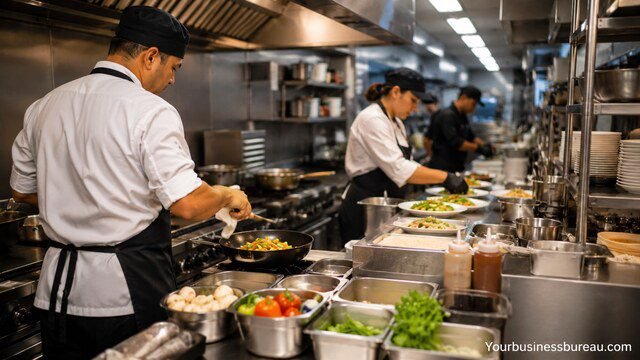
Operational efficiency often delivers the fastest measurable improvements during restructuring. Streamlined workflows reduce costs while improving consistency across all restaurant locations.
Kitchen operations should emphasize standardized recipes, efficient preparation methods, inventory accuracy, and waste reduction. Front-of-house procedures should prioritize reservation management, customer service consistency, and effective table turnover without sacrificing hospitality.
Technology can automate many repetitive administrative tasks, allowing managers to spend more time improving guest experiences.
Operational improvements may include:
- Inventory automation
- Digital scheduling
- Kitchen workflow optimization
- Supplier consolidation
- Standard operating procedures
- Preventive equipment maintenance
- Real-time performance reporting
These initiatives create measurable efficiency while maintaining premium dining standards.
Optimize Menu Strategy
A business restructure often includes reviewing menu performance. Every menu item should contribute positively to profitability while reinforcing the restaurant’s premium brand identity.
Menu engineering identifies:
- Best-selling dishes
- High-profit items
- Low-performing selections
- Seasonal opportunities
- Customer preferences
Removing underperforming dishes simplifies kitchen operations and reduces inventory complexity. Introducing seasonal specials keeps the dining experience fresh while supporting local sourcing initiatives.
Pricing strategies should also reflect ingredient costs, labor requirements, and customer expectations without compromising perceived value.
Enhance Customer Experience
Long-term success depends on consistently delivering memorable dining experiences. During restructuring, customer satisfaction should remain a central priority.
Guest feedback gathered through surveys, online reviews, loyalty programs, and direct interactions provides valuable insights into service quality.
Improvement opportunities may include:
- Faster reservation management
- Personalized guest recognition
- Enhanced wine recommendations
- Better waitlist communication
- Improved dining ambiance
- Consistent service training
Maintaining exceptional hospitality protects brand reputation while encouraging repeat business and positive word-of-mouth referrals.
Modernize Technology Infrastructure
Technology plays a significant role in modern restaurant restructuring. Digital tools improve efficiency while providing better insights into customer behavior and operational performance.
Important technology investments include:
| Technology | Primary Benefit | Business Impact |
| Point-of-Sale Systems | Faster transactions | Better reporting |
| Reservation Software | Improved scheduling | Higher occupancy |
| Inventory Management | Reduced waste | Lower costs |
| CRM Platforms | Customer insights | Better retention |
| Employee Scheduling | Labor optimization | Increased productivity |
| Business Analytics | Data-driven decisions | Faster strategic planning |
Integrated systems eliminate duplicated work while improving management visibility across every location.
Strengthen Supply Chain Management

Supply chain resilience has become increasingly important within the restaurant industry. A restructuring initiative should evaluate supplier relationships, purchasing practices, and inventory controls.
Diversifying suppliers reduces disruption risks while maintaining consistent ingredient quality. Long-term partnerships may also create opportunities for improved pricing and reliable product availability.
Inventory forecasting should align purchasing decisions with seasonal demand, reducing spoilage and unnecessary storage costs.
Regular supplier performance reviews help ensure quality standards remain consistent.
Invest in Employee Development
Employees represent one of the most valuable assets in any hospitality business. Successful restructuring strengthens workplace culture instead of simply reducing costs.
Management should invest in:
- Leadership development
- Culinary training
- Customer service education
- Cross-functional skills
- Career advancement opportunities
- Performance recognition
Higher employee engagement often produces improved guest experiences, reduced turnover, and stronger operational consistency.
Transparent communication during restructuring also helps maintain trust throughout organizational changes.
Expand Revenue Opportunities
Business restructuring provides an opportunity to diversify revenue beyond traditional dine-in services.
Potential growth strategies include:
- Private dining events
- Corporate catering
- Wine tasting experiences
- Chef’s table events
- Gift card programs
- Loyalty memberships
- Premium holiday packages
Additional revenue streams reduce dependence on standard restaurant traffic while strengthening customer relationships.
Carefully selected expansion initiatives should complement the brand rather than dilute its premium positioning.
Improve Marketing and Brand Positioning
Marketing should evolve alongside operational improvements. A restructuring initiative offers an opportunity to refresh messaging while reinforcing the restaurant’s established reputation.
Digital marketing strategies may include:
- Search engine optimization
- Local search visibility
- Email marketing
- Social media engagement
- Customer loyalty campaigns
- Reputation management
- Community partnerships
Content highlighting culinary craftsmanship, premium ingredients, wine expertise, and exceptional hospitality strengthens customer trust.
Consistent branding across every customer touchpoint reinforces recognition and long-term loyalty.
Measure Results and Adjust Strategy
Restructuring is not a one-time project but an ongoing process of continuous improvement. Leadership should establish measurable objectives and monitor progress regularly.
Key performance indicators may include:
- Revenue growth
- Profit margin improvement
- Labor efficiency
- Customer satisfaction scores
- Employee retention
- Average guest spending
- Reservation growth
- Online review ratings
Regular performance reviews allow management to identify successful initiatives while making timely adjustments where necessary.
Continuous improvement creates resilience in a competitive restaurant industry.
Conclusion
A thoughtful business restructuring strategy can help a premium restaurant brand such as 801 Chophouse strengthen operations, improve profitability, enhance customer experiences, and prepare for long-term growth. Rather than viewing restructuring solely as a response to financial challenges, restaurant leaders can use it as an opportunity to modernize systems, optimize processes, invest in employees, and reinforce their commitment to exceptional dining. By combining operational excellence with disciplined financial management and customer-focused innovation, a restaurant business can remain competitive in an evolving hospitality market.
FAQ’s
No. Many successful companies restructure to improve efficiency, support expansion, adopt new technology, or strengthen long-term competitiveness.
Financial analysis, operational efficiency, customer experience, and employee engagement should all receive careful attention because they directly influence long-term performance.
The timeline depends on the scope of changes. Operational improvements may be implemented within a few months, while larger strategic initiatives can take a year or more.
Yes. Better service standards, streamlined operations, menu optimization, and technology enhancements often lead to faster service and a more consistent dining experience.
Revenue growth, stronger profit margins, improved guest satisfaction, lower operating costs, higher employee retention, and increased customer loyalty are common indicators of success.
In most cases, yes. Modern reservation systems, inventory management software, analytics platforms, and digital customer engagement tools can improve efficiency and support better decision-making.
