


Highlights
- A business trip connects professional goals with real-world execution through meetings, networking, and decision-making.
- Clear planning improves productivity because structured schedules align travel activities with business objectives.
- Face-to-face interaction builds stronger trust compared to virtual communication, leading to better partnerships.
- Time management and flexibility ensure smoother experiences during unexpected changes or delays.
- Communication skills directly influence outcomes because clarity and confidence shape professional impressions.
- Challenges such as fatigue and cultural differences develop adaptability and resilience in professionals.
- Technology enhances efficiency by organizing schedules, documents, and communication in one place.
- Strategic travel continues to hold value despite digital alternatives because human connection drives business success.
Introduction
Business travel functions as a strategic activity that connects organizations, professionals, and opportunities across locations. A business trip supports deal-making, networking, skill enhancement, and market understanding through direct interaction. Modern professionals rely on structured travel to achieve measurable outcomes, strengthen relationships, and expand professional influence in competitive environments.
A well-executed business trip transforms simple travel into a high-value professional investment. Travel planning aligns schedules with objectives, while communication ensures clarity in meetings and negotiations. Professional exposure during trips improves confidence, adaptability, and decision-making. I have personally experienced how stepping outside a familiar workspace during a business trip creates sharper focus and stronger connections, making each journey more impactful than routine office work.
What Defines a Business Trip and Why Does It Matter?
A business trip represents travel undertaken for professional purposes such as meetings, conferences, negotiations, or site visits. A professional journey differs from leisure travel because each activity connects to a clear objective, such as closing deals, building partnerships, or expanding knowledge. A defined goal ensures that every hour contributes to measurable outcomes.
A structured business trip improves efficiency and decision-making because planning aligns travel schedules with business priorities. A well-organized itinerary allows professionals to maximize productivity, reduce wasted time, and maintain focus on strategic objectives. Clear scheduling leads to better results during meetings and interactions.
A meaningful business trip also strengthens professional identity and confidence. Real-world interactions create deeper understanding of industries, markets, and people. I have personally noticed that stepping into a new environment during a work trip forces sharper thinking and better communication, which directly improves long-term career growth.
Purpose of Business Travel
Purpose determines direction because a defined goal connects each activity with expected outcomes. A clear objective such as client acquisition or training ensures that travel delivers measurable value rather than random movement.
Difference Between Business and Leisure Travel
Professional travel focuses on productivity while leisure travel focuses on relaxation. A business-oriented journey prioritizes meetings, schedules, and results, whereas leisure travel emphasizes comfort, exploration, and personal enjoyment.
How Should You Plan a Successful Business Trip?
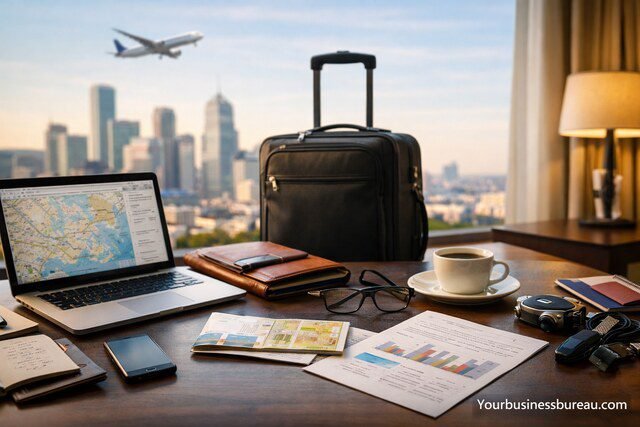
Planning a business trip requires aligning logistics with professional goals. A well-prepared itinerary includes meeting schedules, travel arrangements, and contingency plans. Preparation reduces stress and allows full concentration on work-related objectives.
A detailed plan includes booking transportation, selecting accommodation near meeting locations, and preparing documents or presentations. Organized preparation ensures smooth transitions between activities and prevents last-minute disruptions. Time management becomes easier when every element is mapped out in advance.
I always recommend building flexibility into your plan because unexpected delays or opportunities often appear. During my own trips, I found that leaving small time gaps between meetings creates room for networking or problem-solving, which often leads to better outcomes than rigid scheduling.
Travel Itinerary Management
A structured itinerary organizes time efficiently because each activity is assigned a specific slot. A well-managed schedule prevents overlaps and ensures that priorities receive adequate attention.
Budget Planning for Business Travel
Budget planning controls expenses because predefined limits guide decisions on flights, accommodation, and meals. A balanced budget ensures cost efficiency while maintaining professional standards.
Business Trip Planning Checklist
| Planning Element | Description | Benefit |
| Travel Booking | Flight and transport arrangements | Saves time and avoids delays |
| Accommodation | Hotel selection near meeting locations | Reduces travel fatigue |
| Meeting Schedule | Organized appointments and time slots | Improves productivity |
| Documentation | Presentations and business materials | Ensures preparedness |
| Budget Allocation | Expense planning and tracking | Controls spending |
What Are the Key Benefits of a Business Trip?
A business trip enhances professional growth by exposing individuals to real-world interactions and challenges. Face-to-face meetings create stronger relationships than virtual communication, leading to higher trust and better collaboration.
Networking opportunities increase significantly during travel because professionals meet clients, partners, and industry experts in person. Personal connections often lead to long-term partnerships and career advancement. Direct interaction builds credibility and improves communication skills.
From my experience, business trips also build confidence because handling meetings in unfamiliar environments develops adaptability. Every successful interaction adds to self-assurance, making future negotiations smoother and more effective.
Networking Opportunities
Networking expands professional connections because direct interaction fosters trust and mutual understanding. Strong relationships often translate into business opportunities and collaborations.
Skill Development Through Travel
Skill development occurs naturally during business trips because professionals adapt to new situations, cultures, and expectations. Communication, problem-solving, and time management skills improve significantly.
What Challenges Can Arise During a Business Trip?
Challenges during business travel often involve time constraints, fatigue, and unexpected disruptions. Tight schedules can lead to stress, while travel delays may affect meeting timelines. Preparation helps reduce these risks but cannot eliminate them entirely.
Cultural differences and communication barriers can also create misunderstandings. Professionals must adapt quickly to different business etiquettes and expectations. Awareness and flexibility become essential for successful interactions.
I have personally faced situations where flight delays disrupted entire schedules, yet adapting quickly and staying calm helped maintain professionalism. Every challenge during a business trip becomes a learning experience that strengthens resilience.
Travel Fatigue and Stress
Travel fatigue affects performance because long journeys reduce energy and focus. Proper rest and scheduling breaks help maintain productivity.
Communication Barriers
Communication barriers arise due to language or cultural differences. Clear messaging and active listening reduce misunderstandings and improve collaboration.
How Can You Maximize Productivity During a Business Trip?
Maximizing productivity requires efficient time use and focused execution of tasks. Prioritizing important meetings and minimizing distractions ensures that the trip delivers intended results. Clear objectives guide decision-making throughout the journey.
Using digital tools such as calendars, task managers, and communication apps improves coordination. Organized information allows quick access to schedules and documents, reducing delays and confusion.
In my own routine, I always review the next day’s schedule every evening during a trip. That simple habit improves clarity and reduces morning stress, allowing better focus on meetings and outcomes.
Time Management Techniques
Effective time management increases productivity because structured scheduling prevents wasted time. Prioritization ensures that critical tasks receive attention first.
Use of Technology for Efficiency
Technology enhances efficiency because digital tools streamline communication, scheduling, and document access. Organized systems reduce errors and improve workflow.
What Role Does Communication Play in a Business Trip?
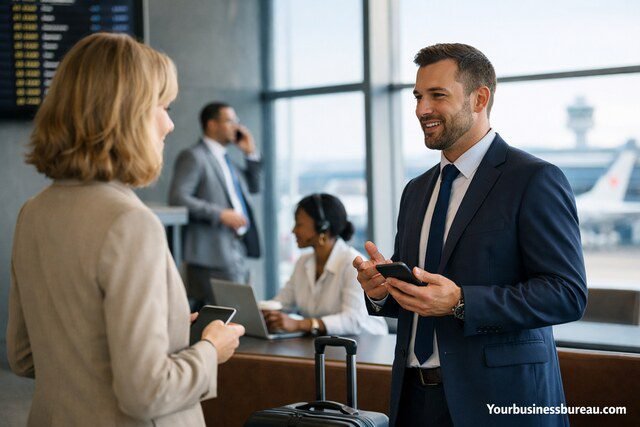
Communication forms the foundation of successful business travel because interactions determine outcomes. Clear and confident communication builds trust and ensures that ideas are understood correctly.
Active listening plays a critical role because understanding client needs leads to better solutions. Engaging conversations create stronger relationships and improve collaboration. Communication quality directly influences business results.
From my experience, maintaining eye contact and speaking clearly during meetings makes a significant difference. Small communication habits create a strong impression and improve professional credibility.
Verbal Communication Skills
Verbal communication delivers messages clearly because structured speaking ensures understanding. Confidence and clarity enhance professional image.
Non-Verbal Communication Impact
Non-verbal cues such as body language influence perception because gestures and expressions convey additional meaning. Positive body language builds trust and rapport.
What Is the Future Scope of Business Trips?
Business trips continue to evolve as technology and global markets expand. Hybrid models combining virtual and physical meetings are becoming common, yet in-person interactions remain essential for trust-building and negotiations.
Sustainable travel practices are gaining importance because organizations focus on reducing environmental impact. Efficient planning and responsible choices contribute to eco-friendly business travel.
Looking ahead, I believe business trips will become more strategic rather than frequent. Each trip will carry greater purpose, focusing on high-value interactions that cannot be replaced by virtual communication.
Impact of Technology on Business Travel
Technology transforms business travel by enabling virtual collaboration and efficient planning. Digital tools reduce unnecessary travel while enhancing productivity.
Sustainable Business Travel Trends
Sustainability influences travel decisions because organizations aim to reduce carbon footprints. Eco-friendly practices shape the future of professional travel.
Business Trip Benefits vs Challenges
| Aspect | Benefits | Challenges |
| Productivity | Focused meetings and goal achievement | Time pressure |
| Networking | Strong professional relationships | Limited time for connections |
| Skill Growth | Improved communication and adaptability | Stress and fatigue |
| Exposure | Market and industry understanding | Cultural differences |
| Opportunities | Career advancement and partnerships | Travel disruptions |
Conclusion
A business trip represents more than travel because each journey connects professional goals with real-world execution. Planning, communication, and adaptability determine success, while challenges provide opportunities for growth. Personal experience shows that every trip contributes to confidence, skills, and long-term career development. Strategic travel continues to play a vital role in professional success, even in a digital world.
If you want to explore how we help businesses grow from the ground up, you can visit yourbusinessbureau.com to see what we offer.
FAQ’s
A business trip aims to achieve professional objectives such as meetings, networking, and deal-making.
Preparation includes planning schedules, booking travel, organizing documents, and setting clear goals.
Common challenges include time constraints, fatigue, communication barriers, and unexpected delays.
Productivity improves through time management, prioritization, and use of digital tools.
Business trips remain important because in-person interactions build trust and strengthen relationships.
Communication, adaptability, problem-solving, and time management skills improve significantly.
