


Introduction
Innovative marketing campaigns in 2025 reflect a shift toward personalization, immersive experiences, and data-driven storytelling. Brands are no longer competing only on product quality; they are competing on attention, engagement, and emotional relevance. As technologies like artificial intelligence, augmented reality, and social commerce mature, companies are designing campaigns that feel less like advertisements and more like experiences. This article explores actionable steps behind successful campaigns, real brand examples, and the strategic frameworks that define modern marketing success.
Identify Emerging Consumer Behavior Trends
Successful campaigns begin by aligning with how audiences behave in real time. In 2025, consumers prioritize authenticity, interactivity, and value-driven messaging. Brands that monitor behavioral shifts can craft campaigns that feel timely rather than intrusive.
Marketers need to analyze data from platforms like TikTok, Instagram, and YouTube to detect patterns such as short-form content consumption, community engagement, and creator influence. Behavioral indicators include watch time, comment sentiment, and share frequency.
These insights shape campaign direction. For example, the rise of micro-communities has pushed brands to design niche-focused messaging instead of mass-market campaigns, allowing deeper engagement and stronger brand loyalty.
Leverage Artificial Intelligence for Personalization
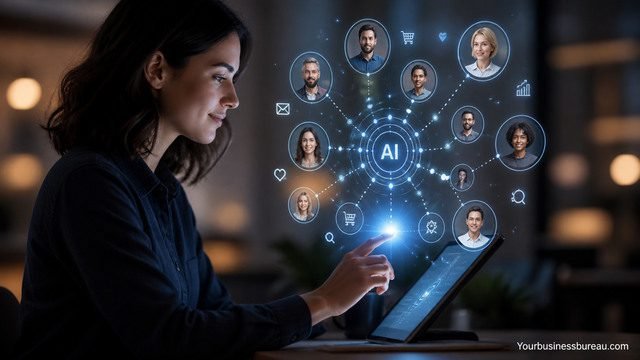
AI-driven personalization is central to innovative marketing in 2025. Campaigns now adapt dynamically based on user behavior, preferences, and interaction history.
Companies like Netflix and Amazon use predictive algorithms to recommend content and products tailored to individuals. This same approach is applied to marketing campaigns through personalized ads, email automation, and dynamic landing pages.
AI tools analyze user data points such as browsing patterns, purchase history, and engagement metrics. This allows marketers to deliver relevant messaging at the right time, increasing conversion rates and reducing ad fatigue. Personalized campaigns also build stronger emotional connections because they feel uniquely crafted for each user.
Design Immersive Experiences with AR and VR
Immersive marketing experiences are redefining how consumers interact with brands. Augmented reality and virtual reality enable users to engage with products before purchasing them.
Brands like IKEA and Nike have launched AR-based applications that allow customers to visualize products in real-world environments. For instance, users can place virtual furniture in their homes or try on shoes digitally.
These experiences require integrating 3D modeling, user interface design, and mobile optimization. Campaign success depends on accessibility and ease of use. When implemented correctly, immersive campaigns increase user engagement and reduce purchase hesitation by providing a realistic preview of products.
Collaborate with Influencers and Creators
Influencer marketing in 2025 has evolved into creator partnerships focused on storytelling and co-creation rather than simple endorsements.
Platforms like TikTok and YouTube enable creators to produce authentic content that resonates with niche audiences. Brands such as Gymshark collaborate with fitness influencers to create workout challenges and lifestyle content.
Effective campaigns involve selecting creators whose audience aligns with the brand’s target market. Key elements include content authenticity, audience trust, and consistent messaging. This approach leads to higher engagement compared to traditional advertising because audiences perceive creators as relatable and credible.
Build Interactive Campaigns with Gamification
Gamification transforms passive audiences into active participants. Campaigns that include challenges, rewards, and interactive elements generate higher engagement levels.
Brands like McDonald’s and Starbucks have used mobile apps to create reward-based campaigns where users earn points, unlock offers, or participate in limited-time games.
Key components include clear rules, achievable rewards, and seamless user experience. Gamified campaigns often integrate with loyalty programs, encouraging repeat interaction and long-term engagement. This strategy also increases data collection opportunities, allowing brands to refine future campaigns.
Utilize Social Commerce and Live Shopping

Social commerce has become a dominant sales channel in 2025. Platforms integrate shopping features directly into content, reducing friction between discovery and purchase.
Apps like Instagram and TikTok offer live shopping features where influencers showcase products in real time. Brands such as Sephora use live tutorials to demonstrate product usage while enabling instant purchases.
Campaign success depends on engaging hosts, clear product demonstrations, and limited-time offers. Live shopping creates urgency and builds trust through real-time interaction, making it one of the most effective conversion strategies.
Develop Purpose-Driven Brand Messaging
Consumers increasingly support brands that align with their values. Purpose-driven campaigns focus on social, environmental, and ethical issues.
Companies like Patagonia and Ben & Jerry’s integrate activism into their marketing strategies. Their campaigns address climate change, social justice, and sustainability.
To execute this effectively, brands must ensure authenticity and consistency. Messaging should align with actual business practices. Purpose-driven campaigns strengthen brand reputation and foster emotional connections, leading to long-term loyalty.
Analyze Data and Optimize Campaign Performance
Data analysis is essential for refining marketing strategies. Campaigns in 2025 rely on real-time analytics to measure performance and adjust tactics.
Key metrics include conversion rates, engagement levels, customer acquisition cost, and return on investment. Tools like Google Analytics and HubSpot provide insights into user behavior and campaign effectiveness.
Continuous optimization involves A/B testing, audience segmentation, and performance tracking. This ensures that campaigns remain efficient and aligned with business goals.
Examples of Innovative Marketing Campaigns in 2025
AI-Powered Personalization Campaign
Spotify launched an advanced version of its personalized playlist campaign, using AI to generate unique listening experiences and shareable summaries.
Immersive AR Campaign
L’Oréal introduced virtual try-on experiences that allow users to test makeup products through mobile apps.
Social Commerce Campaign
Zara integrated live shopping events into its app, combining influencer marketing with instant purchasing.
Purpose-Driven Campaign
Tesla focused on sustainability messaging, highlighting renewable energy initiatives and environmental impact.
Comparison of Campaign Types
| Campaign Type | Key Feature | Example Brand | Primary Benefit |
| AI Personalization | Data-driven content | Spotify | Higher engagement |
| AR/VR Experience | Immersive interaction | IKEA | Reduced purchase hesitation |
| Influencer Collaboration | Creator-driven storytelling | Gymshark | Audience trust |
| Gamification | Interactive rewards | Starbucks | Increased retention |
| Social Commerce | In-app purchasing | Sephora | Faster conversions |
| Purpose-Driven | Value-based messaging | Patagonia | Brand loyalty |
Key Technologies Behind 2025 Campaigns
| Technology | Application in Marketing | Impact |
| Artificial Intelligence | Personalization and automation | Improved targeting |
| Augmented Reality | Product visualization | Enhanced user experience |
| Blockchain | Transparency and trust | Increased credibility |
| Big Data Analytics | Performance tracking | Better decision-making |
| Live Streaming | Real-time engagement | Higher conversion rates |
Conclusion
Innovative marketing campaigns in 2025 combine technology, creativity, and data to deliver meaningful experiences. Brands that embrace personalization, immersive interaction, and purpose-driven messaging gain a competitive advantage. The most successful campaigns are those that adapt to consumer behavior, leverage advanced tools, and create genuine connections with audiences. By applying these strategies, businesses can build campaigns that not only capture attention but also drive long-term growth.
FAQ’s
Innovative campaigns focus on personalization, interactivity, and technology integration, while traditional campaigns rely on one-way communication like TV or print ads.
Retail, technology, entertainment, and fashion industries benefit significantly due to their strong reliance on consumer engagement and digital platforms.
AI is not mandatory but highly beneficial. It improves targeting, personalization, and efficiency, making campaigns more effective.
Small businesses can use social media, influencer partnerships, and basic analytics tools to create engaging and cost-effective campaigns.
Personalization combined with immersive experiences such as AR and live shopping is the dominant trend.
Brands track metrics like engagement rate, conversion rate, ROI, and customer retention to evaluate performance.
