

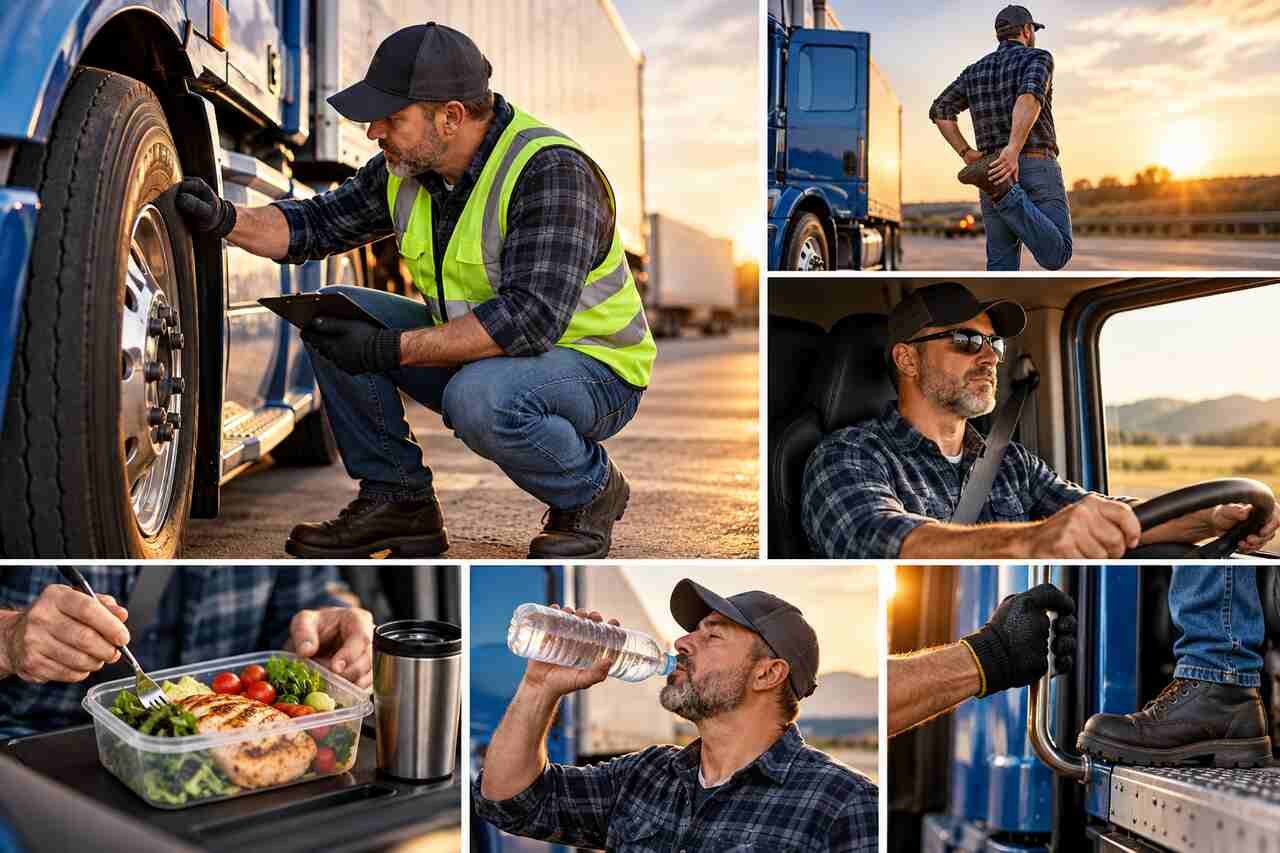
Independent truck drivers manage more than miles and delivery times. They also handle inspections, freight, weather, customer sites, roadside problems, and the physical demands of climbing in and out of a truck throughout the day. Consistent safety habits can reduce the risk of preventable injuries and help protect a driver’s ability to continue working. Financial planning can matter after an incident as well, including understanding how occupational accident insurance may apply to an owner-operator’s particular work arrangement.
Safety is not one decision made at the beginning of a shift. It is a series of small choices, such as checking the footing before stepping down, securing cargo before departure, and pulling over before fatigue or distraction becomes a larger problem. A repeatable routine gives drivers a practical way to make safer choices even on busy days.
Why Injury Prevention Matters for Independent Drivers
An injury can interrupt far more than a single workday. It may mean missed loads, medical appointments, rescheduling, truck repairs, or difficulty completing routine tasks such as coupling equipment or unloading freight. For an independent driver, protecting personal health is closely connected to protecting the business. The goal is not to eliminate every risk, which is impossible, but to recognize hazards early and avoid treating rushed or unsafe conditions as normal.
Common Injury Risks on the Job
Many trucking injuries occur outside the driver’s seat. Falls can happen on cab steps, catwalks, trailer floors, loading docks, and uneven parking areas. Rain, ice, oil, loose gravel, and poor lighting can make these surfaces more hazardous.
Other common concerns include back or shoulder strain from moving freight, pinched fingers around doors and ramps, exposure to heat or cold, and roadside hazards near moving traffic. Crashes remain a serious risk when fatigue, distraction, poor visibility, unsafe speed, or inadequate following distance affect a driver’s ability to react.
What to Check Before Every Trip
A short, deliberate pre-trip routine can prevent a manageable issue from becoming a roadside emergency. Before moving, walk around the truck and trailer and look for leaks, damaged tires, loose components, broken lights, or anything that appears out of place.
- Check mirrors, cameras, brakes, warning devices, and emergency equipment.
- Confirm that cargo is balanced, secured, and appropriate for the route.
- Review weather, construction zones, parking options, and planned rest stops.
- Keep water, a flashlight, a first-aid kit, gloves, and reflective gear accessible.
- Adjust the seat, steering wheel, and mirrors before the truck is in motion.
Federal guidance for commercial drivers emphasizes completing pre-trip safety inspections, maintaining the vehicle, securing the load, and planning around road and weather conditions. The steps that help truck and bus drivers plan for road safety also reinforce the value of seat belts, safe speeds, and staying focused behind the wheel.
Safer Loading and Unloading Habits
Loading and unloading deserve the same attention as highway driving. Use three points of contact when climbing in or out of the cab or trailer, and never jump from a step, dock, or trailer. Before stepping onto a trailer or platform, look for water, debris, damaged flooring, or uneven surfaces.
- Ask for help when freight is oversized, unstable, or too heavy to control safely.
- Keep hands and feet clear of moving doors, ramps, dollies, and liftgates.
- Wear footwear with reliable traction and clothing that allows unrestricted movement.
- Use approved carts, ramps, liftgates, or other handling equipment when available.
Using equipment to reduce carrying distance and keep loads closer to waist height can limit awkward reaches and repeated strain. OSHA guidance on delivery-truck ergonomics similarly highlights slip-resistant surfaces, lifting aids, and better load positioning as practical controls.
How to Stay Safer During Roadside Stops
A stopped truck can still be exposed to fast-moving traffic. If a stop is unavoidable, move as far from traffic as conditions safely allow, activate hazard lights, and use required warning devices. When possible, exit on the side away from passing vehicles, and avoid standing in a travel lane during an inspection.
Do not attempt a repair that requires working in an unsafe position, entering traffic, or handling equipment beyond your capability. Calling qualified roadside assistance may be the safer choice, particularly when visibility is low or traffic is heavy.
Managing Fatigue and Distraction
Fatigue management starts before the truck moves. Plan breaks, allow time for delays, and recognize warning signs such as frequent blinking, missed turns, lane drift, trouble remembering the last few miles, or difficulty focusing. Energy drinks and coffee may provide a temporary feeling of alertness, but they do not replace sleep.
Set navigation, audio, and communication tools before departure. If a message, call, or route change needs attention, pull over somewhere safe first. A driver who adjusts the schedule when weather, traffic, or loading delays cut into rest time is making a professional safety decision, not falling behind.
Using Equipment and Ergonomics to Reduce Strain
Small cab and cargo-area adjustments can reduce repetitive stress. Set lumbar support, seat distance, and steering-wheel position so controls are reachable without excessive stretching. Keep frequently used supplies between waist and shoulder height when practical, and turn with your whole body rather than twisting while carrying a load.
During planned breaks, take a brief walk and use gentle movement to relieve stiffness. Address worn step treads, damaged handles, loose mats, and poor lighting promptly. These details may seem minor, but they can increase the chance of a slip, fall, or strain when ignored.
What to Do After an Injury
- Move to a safer location only if doing so will not worsen the injury.
- Call emergency services for a severe or life-threatening injury.
- Seek medical evaluation when symptoms persist, worsen, or interfere with normal movement.
- Record the time, location, task, equipment, and conditions involved.
- Take photographs when it is safe and appropriate to do so.
- Notify the motor carrier, customer, or other responsible contact promptly.
Reporting obligations can vary by contract, state, carrier relationship, and type of coverage. Keep copies of incident reports, medical records, receipts, and relevant messages, then seek qualified legal, medical, or insurance guidance for circumstances specific to the incident.
Building a Simple Personal Safety Plan
Write down a brief routine that fits the work you actually do. Before driving, inspect the truck, review the route, and assess personal readiness. During loading, focus on footing, equipment, and safe lifting. During the trip, manage speed, space, fatigue, and distractions. At roadside stops, prioritize visibility and distance from traffic. After an incident, get care, document what happened, and complete required reporting.
A Practical Safety Checklist
- Seat belt fastened before movement.
- Phone put away and navigation set before driving.
- Mirrors, cameras, lights, and warning devices checked.
- Cargo secured and weight distributed appropriately.
- Steps, walkways, and trailer floors checked for hazards.
- Reflective gear, water, first-aid supplies, and emergency contacts available.
- Rest breaks are considered before departure, not only after fatigue begins.
- Unsafe tasks are paused until proper help, equipment, or conditions are available.
Safer trucking is built through repeated choices before the engine starts, during every stop, and after unexpected problems arise. A careful inspection, a safer lift, or an extra rest break can help prevent a routine hazard from causing a serious injury.
Read Next: What Affects the Cost of Farm Machinery Ownership?
