

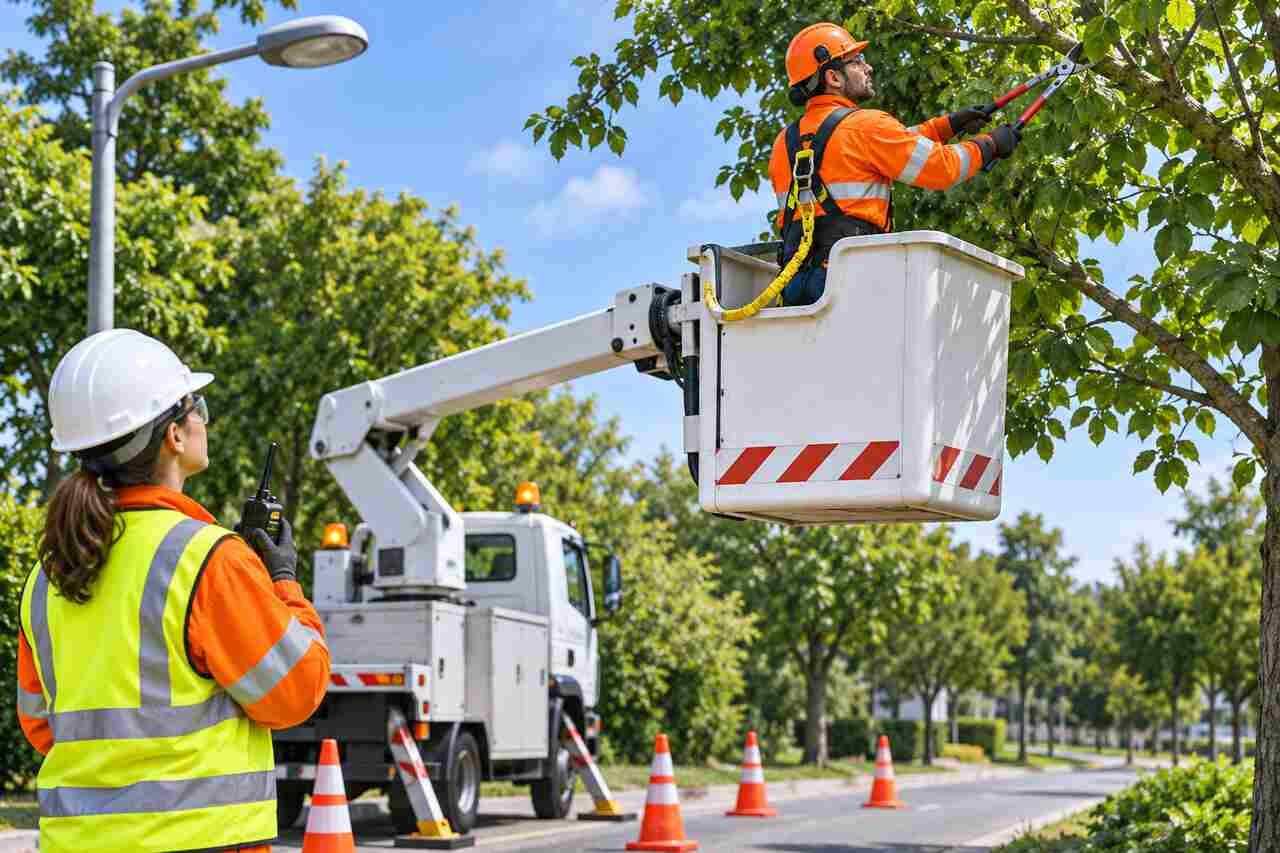
Outdoor maintenance involves much more than mowing lawns, trimming hedges, and keeping green spaces tidy. Depending on the property, workers may also need to clear gutters, maintain rooftop gardens, prune tall trees, or inspect equipment positioned above ground level. These tasks introduce additional risks, particularly when crews are working on unfamiliar properties or dealing with unpredictable weather conditions.
For landscaping businesses and property maintenance teams, working safely at height requires careful preparation. Having the right equipment, understanding potential hazards and knowing when specialist assistance is necessary can help prevent avoidable accidents.
Recognizing the Risks Before Work Begins
Outdoor working environments can change considerably throughout the day. Wet surfaces, strong winds, uneven ground, and poor visibility can all affect how safely maintenance tasks are carried out.
Before starting work, crews should assess the area and identify any hazards associated with accessing elevated locations. This might include checking ground conditions, examining the stability of access equipment, and looking for nearby overhead power lines.
Tasks involving roof access require particular attention, as fragile surfaces and unprotected edges can present serious fall hazards.
Workers should never assume that a familiar task is automatically safe simply because they’ve completed similar jobs before.
Choosing Suitable Access and Fall Protection
Different maintenance activities require different approaches to working at height. A task that can be completed safely from ground level using appropriate tools may not require elevated access at all.
Where working at height is unavoidable, suitable equipment should be selected according to the task, working environment, and assessed risks.
For maintenance involving accessible rooftops or elevated building areas, roof edge protection from keesystems.com may be considered as part of a wider fall prevention strategy.
Properly designed guardrails and barriers can help reduce exposure to unprotected edges, although their suitability depends on the building and intended work.
Equipment should always be inspected and used by appropriately trained personnel.
Weather Conditions Should Influence Scheduling
Outdoor maintenance businesses often work to tight schedules, particularly during periods of rapid vegetation growth or increased demand for property services.
However, completing a job on time should never take priority over worker safety.
Rain can make roofs and access platforms slippery, while strong winds may affect stability and make handling equipment more difficult. Extreme heat can also contribute to fatigue and reduced concentration.
Supervisors should monitor conditions and be prepared to postpone elevated work when circumstances become unsafe.
Building flexibility into maintenance schedules can help crews make sensible decisions without unnecessary pressure.
Training and Communication Matter
Even experienced maintenance workers benefit from regular safety training. Equipment changes, unfamiliar properties, and different working conditions can introduce hazards that aren’t covered by previous experience.
Clear communication is especially important when teams are working across larger sites or completing several tasks simultaneously.
Employees should understand who is responsible for assessing risks, checking equipment, and coordinating work around elevated areas.
Encouraging workers to report concerns also helps prevent minor problems from developing into more serious incidents.
Making Safety Part of Everyday Maintenance
A strong safety culture develops when sensible precautions become part of normal working routines.
Regular equipment inspections, realistic scheduling, and appropriate supervision can help outdoor maintenance businesses reduce unnecessary risks.
It is also important to recognize when a task falls outside a team’s training or capabilities. Specialist roofing or access contractors may be better equipped to complete certain jobs safely. By treating work at height as a responsibility that requires planning rather than improvisation, maintenance crews can protect their wellbeing while continuing to deliver reliable services to customers.
