

Highlights
- Scaling heavy equipment operations requires smarter maintenance strategies, not just more machines
- Dedicated mobile service units reduce downtime by bringing maintenance directly to the field
- Rising operational costs and expanding job sites are strong indicators for investment
- On-site fueling, lubrication, and repairs significantly improve efficiency and productivity
- Preventive maintenance becomes easier, extending equipment lifespan
- Customization like using custom fuel lube trucks ensures the solution fits specific operational needs
- ROI is driven by reduced downtime, lower transport costs, and improved labor utilization
- Choosing the right unit depends on fleet size, terrain, and maintenance requirements
- Future trends include telematics, automation, and predictive maintenance technologies
Introduction
As heavy equipment operations grow, so do the logistical challenges behind maintaining uptime, efficiency, and cost control. Whether you’re managing a construction fleet, mining site, or agricultural operation, the pressure to reduce downtime and optimize servicing workflows becomes increasingly critical. One strategic move that forward-thinking operators consider is investing in dedicated mobile service units.
But when exactly does it make sense to scale in this direction? And how do you determine if the investment will deliver measurable ROI? This guide breaks down the key indicators, benefits, and decision-making factors to help you scale your operations intelligently.
Understanding Mobile Service Units in Heavy Equipment Operations
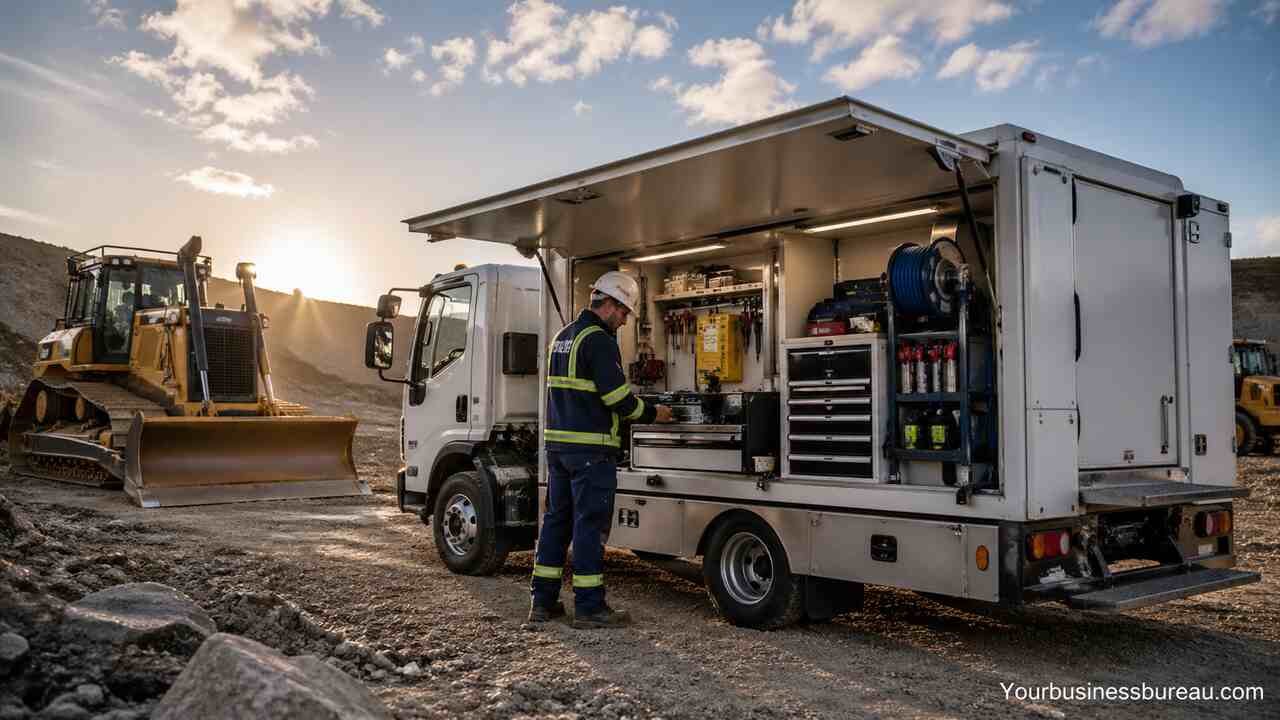
Mobile service units are self-contained vehicles equipped to handle on-site maintenance tasks such as fueling, lubrication, minor repairs, and diagnostics. These units eliminate the need to transport equipment to a central workshop, significantly reducing downtime.
Core Capabilities:
- On-site fueling and lubrication
- Preventive maintenance services
- Emergency repairs
- Fluid storage and dispensing
- Tool and parts transport
By decentralizing maintenance, these units bring efficiency directly to the field.
Signs It’s Time to Invest in Mobile Service Units
Scaling isn’t just about growth, it’s about timing. Here are the key indicators that your operation may be ready for this transition:
Increasing Equipment Downtime
If your fleet frequently experiences delays due to maintenance logistics, it’s a strong signal. Transporting machinery to and from service points wastes valuable operational hours.
Expanding Job Sites
Operations spread across multiple or remote locations benefit significantly from mobile servicing. Centralized maintenance becomes impractical as distances grow.
Rising Maintenance Costs
Fuel costs, labor inefficiencies, and lost productivity can quickly add up. Mobile units streamline workflows, reducing hidden operational expenses.
Tight Project Deadlines
In industries like construction and mining, delays can lead to penalties. On-site servicing ensures faster turnaround times.
Benefits of Dedicated Mobile Service Units
Improved Equipment Uptime
Keeping machines operational is the backbone of profitability. Mobile units allow for real-time servicing, minimizing idle time.
Enhanced Operational Efficiency
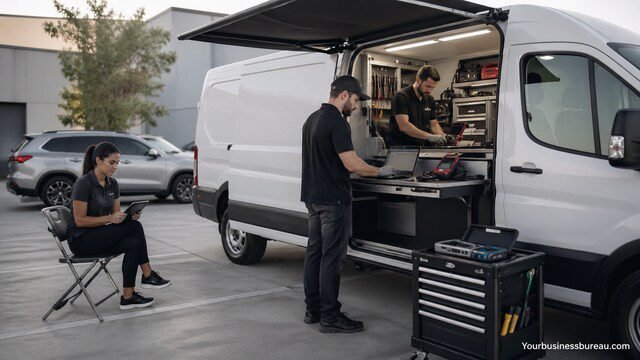
Technicians can perform multiple maintenance tasks in one trip, reducing redundant movements and optimizing labor utilization.
Cost Savings Over Time
While the initial investment may seem significant, the long-term savings in transportation, labor, and downtime often outweigh the costs.
Better Preventive Maintenance
Routine servicing becomes easier and more consistent, extending equipment lifespan and reducing major repair risks.
Customization: A Key Factor in Scaling
Not all operations are the same. This is where customization becomes essential. Investing in custom fuel lube trucks allows businesses to tailor mobile service units according to their specific operational needs.
For example:
- Mining operations may require high-capacity fluid storage
- Construction fleets might prioritize versatility and mobility
- Agricultural operations may need seasonal adaptability
Customized units ensure that every component serves a purpose, maximizing efficiency and return on investment.
How to Evaluate ROI Before Investing
Making the decision to invest requires a clear understanding of financial and operational returns.
Key Metrics to Analyze:
- Downtime reduction rate
- Maintenance cost per machine
- Fuel and transport savings
- Technician productivity levels
- Project completion timelines
Choosing the Right Mobile Service Unit
Selecting the right unit is just as important as deciding to invest.
Consider These Factors:
- Fleet size and type
- Terrain and accessibility of job sites
- Types of maintenance required
- Fuel and fluid capacity needs
- Compliance with safety regulations
A well-matched unit aligns seamlessly with your workflow rather than disrupting it.
Common Mistakes to Avoid
Overestimating Immediate ROI
While benefits are substantial, returns may take time. Plan for long-term gains rather than short-term wins.
Ignoring Operator Training
Even the best equipment fails without skilled operators. Ensure your team is trained to maximize the unit’s capabilities.
Under-specifying Equipment
Choosing a unit that lacks necessary features can limit efficiency. Always plan for current and near-future needs.
Future Trends in Mobile Equipment Servicing

The industry is evolving rapidly with technological advancements:
- Telematics integration for real-time monitoring
- Automated fluid dispensing systems
- Predictive maintenance powered by data analytics
- Eco-friendly fuel and lubrication solutions
Investing now positions your operation to adapt to these innovations seamlessly.
Conclusion
Scaling heavy equipment operations requires more than just adding machines; it demands smarter systems and efficient workflows. Dedicated mobile service units represent a strategic investment that enhances uptime, reduces costs, and improves overall productivity.
The key is timing. When operational inefficiencies begin to hinder growth, it’s a clear signal to evolve. By carefully evaluating your needs, customizing your solution, and focusing on long-term ROI, you can transform maintenance from a bottleneck into a competitive advantage.
In a fast-paced, high-demand industry, those who bring service to the field, not the other way around, are the ones who stay ahead.
If you want to explore how we help businesses grow from the ground up, you can visit yourbusinessbureau.com to see what we offer.
