

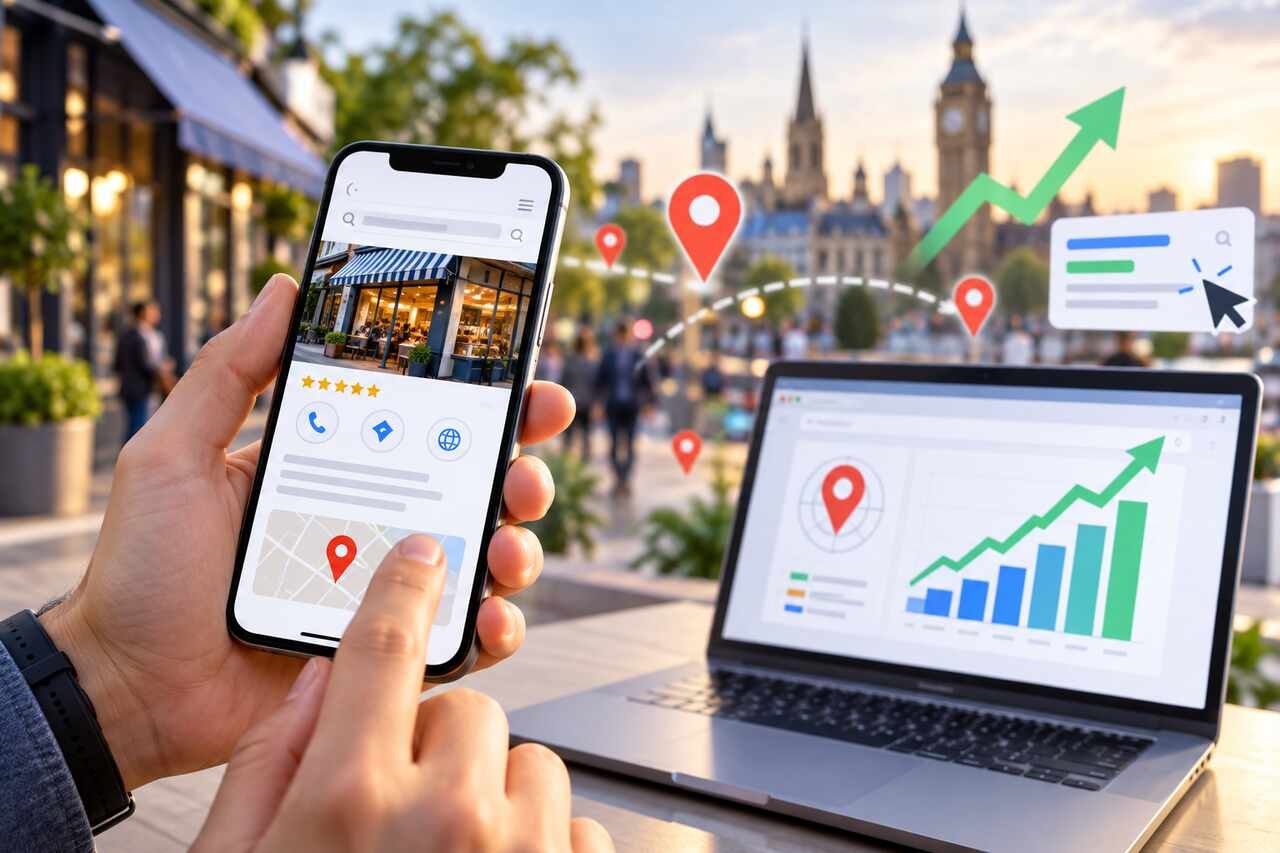
Investing in paid search advertising is often one of the quickest ways to drive targeted traffic to a business. However, many business owners make the critical mistake of launching expensive campaigns without first ensuring their digital storefront is fully prepared to welcome those visitors. As consumer digital habits increasingly shift toward smartphones, the foundational layout, structure, and speed of a website have become vital factors in determining overall campaign success. A strong technical foundation is no longer just a nice feature to have for online brands; it is a strict requirement for achieving a healthy return on ad spend and maintaining a competitive edge.
Why Mobile-First Design Dictates Search Ad Success
This mobile-first requirement becomes extremely apparent when looking at rapidly growing, highly connected regions. For example, any specialist running adwords marketing in Thailand understands that region-specific campaigns rely entirely on mobile optimization. Thailand has a mobile internet penetration rate of 95.5% across its 71 million strong population, and mobile devices account for over 55% of all web traffic generated in the country. If a landing page is generic or poorly optimized for smartphones, the search algorithm will actively penalize the ad performance and inflate costs for localized campaigns.
Search engines evaluate the overall quality of your website before deciding how much you will pay for an advert. Google Ads uses Landing Page Experience as one of its three core Quality Score components. This system directly evaluates mobile-friendliness, load speed, and navigational ease. Search ads that achieve an above-average rating for both landing page experience and ad relevance benefit from cost-per-click rates that are significantly lower than the network average.
The Essential Link Between Site Structure and Conversion Rates
Before allocating your marketing budget to paid traffic, it is vital to understand how professional web design services impact your overall search visibility and user experience. Driving clicks is only half the battle for modern marketers. If a landing page is clunky, difficult to navigate, or slow to load, frustrated users will simply bounce back to the search results before even reading your offer. This wastes your advertising budget and sends negative engagement signals to search algorithms.
The financial impact of a slow website is staggering. According to a Portent study analyzing over 100 million page views, technical website speed is a massive determinant of whether incoming traffic will actually convert. Their data reveals that e-commerce conversion rates drop by an average of 0.3% for every additional second a website takes to load, with the optimal 1 to 2 second load time yielding conversion rates up to 2.5 times higher than a 5-second load time. This concrete data proves that even the most carefully targeted adverts will suffer poor results if the underlying web design fails to deliver a frictionless experience.
Key Mobile Optimisation Strategies for Local Campaigns
To ensure your paid search campaigns yield the best possible results, your web design strategy must cater specifically to mobile users. The e-Conomy SEA 2025 report cites digital-first lifestyles as the primary driver behind booming online retail. Aligning your site with these habits involves a few vital technical steps.
Consider implementing the following structural improvements to support your localised advertising efforts:
- Focus on lightweight media: With the explosive growth of video commerce, websites must be built to handle dynamic media without slowing down. Compress images and utilise modern code formats to keep load times under two seconds.
- Build intent-matched landing pages: Personalizing mobile landing pages to match the specific intent of a search ad is one of the largest untapped levers for maximizing return on ad spend. Ensure the headline directly answers the user’s local search query.
- Streamline navigation for touchscreens: Buttons should be easily clickable with a thumb, and menus should collapse neatly. Avoid pop-ups that obscure the screen on smaller devices.
- Incorporate localised trust signals: Displaying regional security badges and local payment gateways helps build consumer trust. This increases the overall viability of direct-response mobile advertising.
Maximizing the performance of localized paid search campaigns requires much more than simply writing compelling ad copy and selecting the right keywords. It demands a holistic marketing approach where technical web design and digital advertising work in perfect harmony. By prioritizing mobile page speed, streamlining the daily user experience, and creating highly relevant landing pages, businesses can lower their overall advertising costs and significantly improve their conversion rates. Building a robust mobile foundation ensures that every click you pay for has the highest possible chance of turning into a loyal customer, ultimately securing long-term business growth.
