

Key Takeaways
- Jawbone health helps determine whether an implant can be placed in a stable, well-positioned location.
- Tooth loss, gum disease, infection, injury, tobacco use, and time can change the bone beneath a missing tooth.h
- Exams and imaging help a dental team evaluate bone dimensions and nearby structures before recommending treatment.
- Bone preservation or rebuilding may be considered for some patients, but it is not automatically needed in every case.
- Healthy gums, daily plaque control, regular follow-up, and avoiding tobacco support long-term implant maintenance.
For people considering tooth replacement in Maple Grove, Minnesota, dental implant planning begins with more than the visible gap in a smile. The condition of the jawbone beneath that space can affect the treatment sequence, healing timeline, implant position, and available alternatives. Patients exploring dental bone grafting Maple Grove may find that a detailed evaluation helps clarify whether rebuilding bone is part of the plan or whether another approach is appropriate.
That evaluation is especially important after a tooth has been missing for a long time. Whether the missing tooth is a front tooth visible in photos or a back tooth used for chewing, the goal is to assess the entire area, including the bone, gums, bite, neighboring teeth, medical history, and long-term home care habits.
Why Jawbone Health Matters
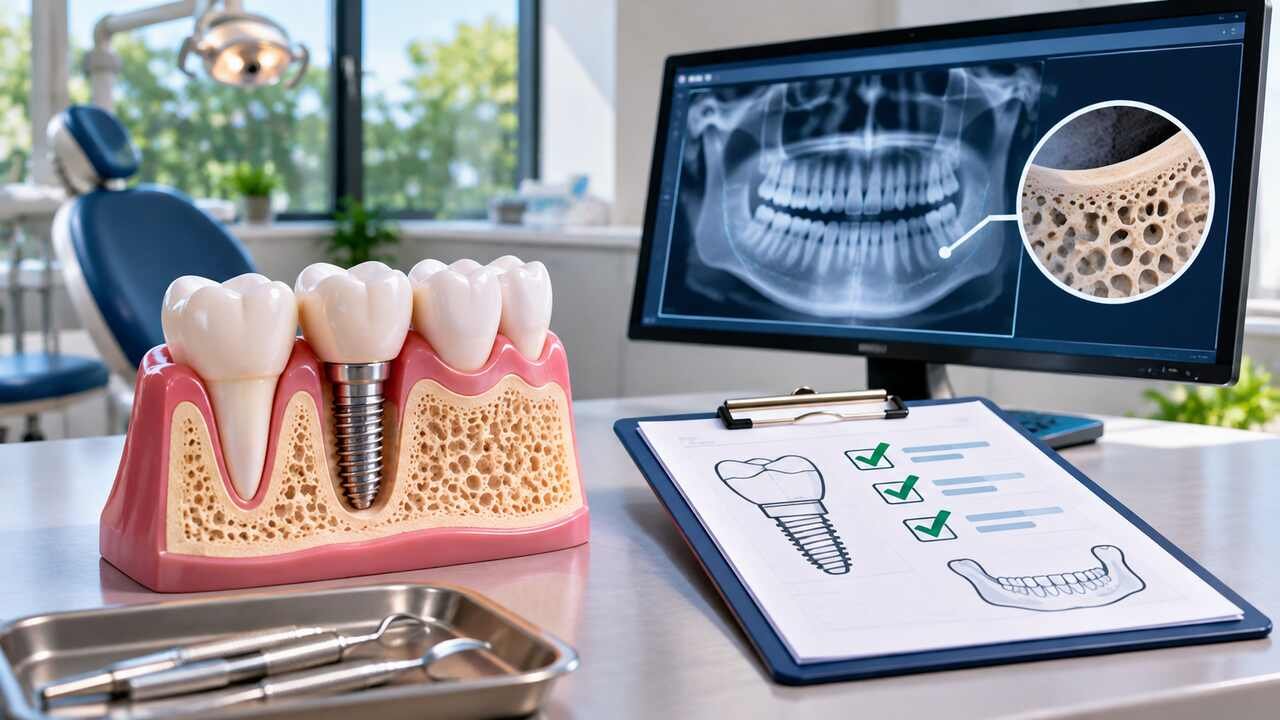
The jawbone supports natural tooth roots and provides the foundation for a dental implant. A useful comparison is a house foundation. A structure can be positioned securely only when the material beneath it has a suitable shape and sufficient support. For implant treatment, clinicians consider whether there is adequate bone in the intended location and whether placement can support both chewing function and the planned restoration.
After a tooth is lost or removed, the bone in that area can change over time. These changes may not be painful or obvious in a mirror. As a result, someone may feel comfortable with a missing tooth while still having a site that requires more detailed planning later.
Common Causes of Jawbone Loss
Bone changes do not have one universal cause or timeline. The amount and pattern can vary based on the location of the missing tooth, the condition of surrounding tissues, and the person’s overall oral health.
- Teeth that have been missing for months or years
- Advanced gum disease affects the tissues around the teeth
- Infection near a tooth root or an extraction site
- Facial injury or trauma involving the jaw
- Pressure and movement associated with removable dentures
- Tobacco use, poor plaque control, or untreated inflammation
- Medical conditions and medications that may influence healing
How Bone Health Affects Implant Planning
Implant planning is not based on bone quantity alone. The dental team also assesses bone width, height, and contour, as well as the relationship of the planned implant to nearby teeth and facial structures. In the upper jaw, the sinus may influence available space. In the lower jaw, important nerves must be considered. The desired position of the final crown, bridge, or implant-supported denture also matters.
Wide photorealistic establishing shot of a modern dental clinic in Maple Grove, Minnesota, with a dentist and patient reviewing a dental implant treatment plan on a computer beside dental imaging equipment, showing the consultation room and broader clinical environment without focusing on close-up dental procedures.
Some Maple Grove patients may have enough suitable bone to proceed without a separate rebuilding procedure. Others may benefit from a staged plan that addresses gum health, infection, bone volume, or bite concerns first. Reduced bone does not automatically mean implants are impossible, but it can change the safest or most practical path forward.
The Role of Exams and Imaging
A consultation may include several steps, although the exact process depends on the person and the complexity of the case:
- Reviewing dental and medical history, including medications and tobacco use.
- Examining the teeth, gums, bite, and missing-tooth area.
- Using standard dental X-rays for an initial view when appropriate.
- Using three-dimensional imaging when additional detail about bone and anatomy is needed.
- Discussing treatment choices, expected healing phases, risks, costs, and maintenance needs.
Imaging is a planning tool rather than a guarantee of a specific outcome. A recommendation should reflect the full clinical examination, not an image by itself.
Possible Treatment Paths
Bone Preservation
When a tooth needs to be removed, bone preservation may be considered if future tooth replacement is likely. This approach is intended to help maintain the shape of the extraction area, although it does not eliminate all natural bone remodeling.
Bone Rebuilding
Bone grafting refers to procedures that place grafting material into an area with reduced bone volume. The type of procedure, materials used, and healing period depend on the location and size of the deficiency. In some situations, implant placement and grafting may be considered together. In others, healing is completed before the implant is placed.
Alternative Tooth Replacement Plans
An implant is one option, not the only option. Depending on oral health and goals, a patient may also discuss a conventional bridge, a removable partial denture, or an implant plan using a different position, size, number, or timeline.
Why Treatment Timing Can Matter
Early planning after tooth loss can help a person understand future options, even if treatment is not started immediately. This does not mean every extraction requires a rushed decision. It means asking what may change if the area remains untreated for several months or years.
For example, a person who lost a back tooth several years ago may need a different approach than someone assessed shortly after an extraction. Active gum disease or infection may also need treatment before implant surgery is considered.
What Research Shows
A report on lateral bone grafting and implant outcomes described a cross-sectional study involving 299 patients and 897 implants. It found comparable clinical outcomes in groups treated with and without lateral hard-tissue grafting. At the same time, plaque at implant sites and smoking were associated with a higher risk of peri-implant disease. The finding reinforces that grafting decisions are individualized and that daily maintenance remains important after treatment.
A 2026 study comparing implant outcomes after two reconstructive grafting approaches is available through recent implant survival research. Its results apply to a specific type of reconstructed lower-jaw ridge, so they should not be treated as a universal answer for every person considering implants.
Questions to Ask Before Treatment
- How much bone is available at the planned implant site?
- Do my gums or neighboring teeth need treatment first?
- Will additional imaging be needed for planning?
- Would bone preservation or grafting be considered in my situation?
- How might smoking, diabetes, medications, or gum disease affect healing?
- What could change if I delay treatment?
- What maintenance will be needed after the final restoration is placed?
- What non-implant options should I compare?
Final Thoughts
Dental implant planning in Maple Grove involves the health of the entire mouth, not only the missing tooth. Jawbone condition, gum stability, medical history, imaging, timing, and long-term cleaning habits all shape the conversation. A careful evaluation can help patients compare realistic choices and select a treatment plan that fits their health needs, priorities, and schedule.
