

Key Takeaways
- Put safety and medical needs ahead of vehicle repairs, fault discussions, or insurance negotiations.
- Photos, witness details, medical paperwork, and a clear timeline can help preserve important information.
- Report what happened accurately, but do not guess about fault, injuries, or future treatment.
- Keep crash-related records in one place, including insurance communications and expense receipts.
- Read settlement papers and releases carefully before signing them.
A collision can turn an ordinary drive through Gadsden into a stressful and confusing day. Whether the crash occurs near a busy intersection, on a neighborhood street, or while traveling through Etowah County, the first priority is to protect the people involved. Anyone dealing with a car accident in Gadsden, AL can benefit from a calm, organized approach during the first three days.
Those first 72 hours are not about solving every issue immediately. They are about staying safe, obtaining appropriate care, preserving details before they disappear, and providing insurers with accurate basic information. A simple plan can reduce confusion when pain, vehicle damage, missed work, and claim calls begin to compete for attention.
Why the First 72 Hours Matter
Memories can fade quickly after a crash, especially when people are shaken or injured. Vehicles may be towed, repaired, or moved from the scene. Nearby security footage may be overwritten, and witnesses may become difficult to reach. Early notes and photographs can create a more reliable timeline of what happened.
Physical symptoms can also change after the initial impact. Neck pain, stiffness, headaches, dizziness, back pain, numbness, or confusion may not feel serious at first. That is one reason it is important to pay attention to how you feel and to seek medical guidance when symptoms appear or worsen.
For someone facing an auto accident in Gadsden, AL, an organized response can make later conversations with medical providers, repair shops, and insurers less overwhelming. Start by recording facts while they are fresh, rather than trying to reconstruct them weeks later.
Step One: Get to a Safe Place
If you are able to act safely, check yourself and passengers for immediate injuries. Call 911 if anyone may be hurt, if traffic creates a danger, or if there is smoke, fire, leaking fuel, or another urgent hazard. Turn on hazard lights and, only when it is safe, move out of active traffic. Stay away from damaged power lines and do not stand between vehicles or near passing traffic.

Seat belts remain an important layer of protection in a collision. The National Highway Traffic Safety Administration explains that seat belts help keep occupants positioned safely inside a vehicle, and airbags are designed to work with them rather than replace them.
Step Two: Give Clear Information to Responders
When police, firefighters, or emergency medical personnel arrive, provide straightforward information about what you observed and what you are feeling. Explain where you were traveling, what you remember seeing, and whether you have pain or other symptoms. Avoid filling gaps in memory with assumptions.
There is rarely a benefit to arguing with the other driver at the scene. Exchange required identifying and insurance information, remain respectful, and let responding officers handle the immediate investigation. If a report is created, save the report number and ask how to obtain a copy when it becomes available.
Step Three: Seek Medical Care Promptly
Do not dismiss symptoms simply because the vehicle damage appears minor or because you initially feel able to go home. A qualified medical professional can assess your condition and advise you about next steps. Tell the provider that the symptoms followed a motor vehicle collision so the medical record has an accurate context.
Keep discharge instructions, prescriptions, referrals, appointment summaries, bills, and receipts. Follow recommended care, and contact a medical professional promptly if symptoms worsen or new symptoms arise. Online information is not a substitute for individualized medical advice.
Step Four: Document the Scene and Vehicle
Only collect information if doing so does not create a new safety risk. If possible, take photographs of vehicle damage from multiple angles, license plates, the roadway, lane markings, traffic signals, signs, debris, weather conditions, and lighting. Write down the date, time, and location.
- Get names and contact information for independent witnesses.
- Save original dashcam files without editing them.
- Photograph visible injuries only when appropriate and respectful.
- Preserve damaged personal property until it has been documented.
Step Five: Build One Crash File
Create a physical folder, a phone note, a cloud folder, or an email label for each document related to the crash. Keeping records together can make it easier to answer questions accurately and notice missing information.
Items to Save
- The police report number or a copy of the report.
- Driver, vehicle, and insurance information.
- Photos, video files, witness details, and towing records.
- Medical records, bills, prescriptions, and treatment dates.
- Repair estimates, rental-car receipts, and missed-work documentation.
- Claim numbers, letters, emails, and notes from insurance calls.
Step Six: Notify the Insurance Companies
Review your policy and report the crash within the required timeframe. Reporting an accident is different from agreeing about who caused it. Give truthful, concise information, keep a copy of what you submit, and avoid exaggerating or speculating about injuries, repairs, or responsibility.
The Alabama Department of Insurance advises drivers to call 911, exchange insurance information, avoid admitting fault, and take pictures when it is safe. Those practical steps can help establish a useful record while allowing insurers to conduct their own review.
How to Handle an Adjuster’s Questions
- Write down the adjuster’s name, company, phone number, and claim number.
- Review your basic facts and records before speaking.
- Answer honestly, but keep answers limited to what you know.
- Do not guess about a final diagnosis, recovery timeline, or total treatment cost.
- Request generous offers, denials, and decisions in writing.
- Read any settlement release carefully before signing it.
Common Mistakes to Avoid
- Skipping medical attention because symptoms initially seem minor.
- Posting detailed opinions, photographs, or arguments about the crash on social media.
- Repairing, selling, or disposing of a damaged vehicle before it is documented.
- Giving different versions of events to different people.
- Accepting a quick settlement before the injury picture is clear.
- Ignoring claim letters, requests for information, or policy deadlines.
When a Crash Becomes More Complicated
Extra care may be needed when several vehicles are involved, fault is disputed, or the collision involves a commercial truck, motorcycle, rideshare vehicle, uninsured driver, or government vehicle. Serious injuries, long-term limitations, a death, or an early settlement offer may also justify seeking individualized medical, insurance, financial, or legal guidance.
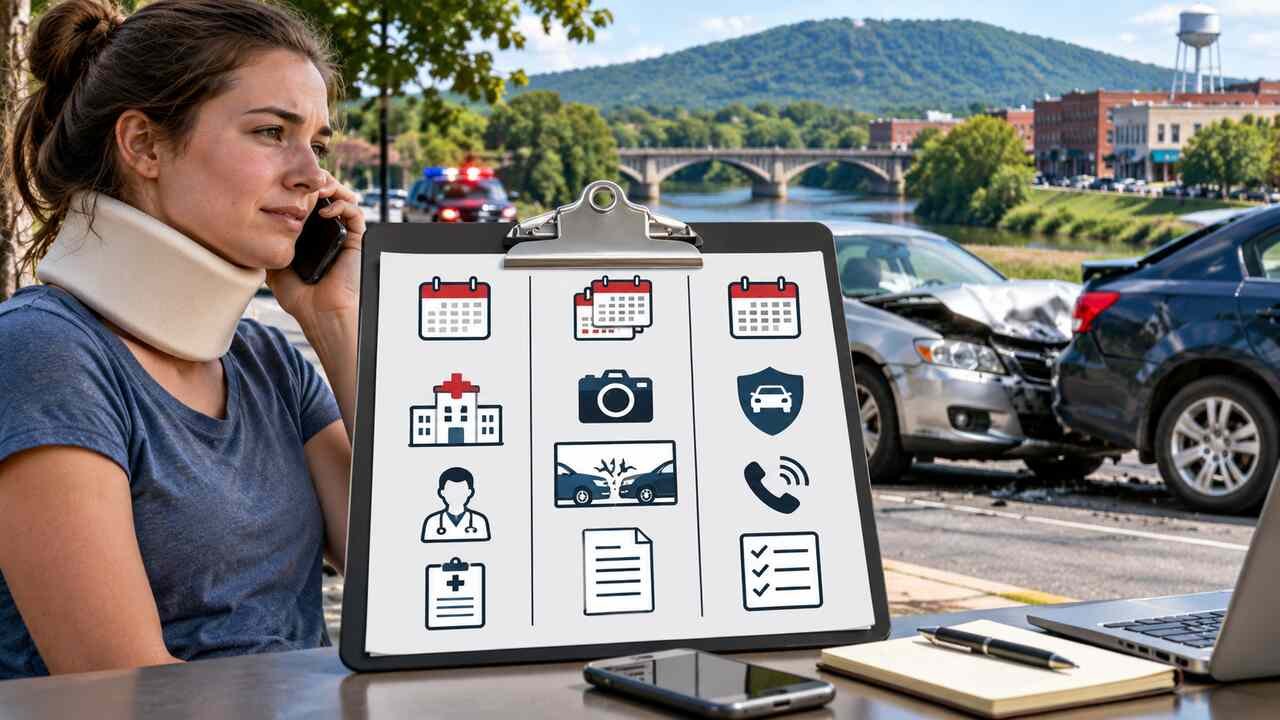
A Practical 72-Hour Checklist
- First hour: Get safe, call for help, exchange basic information, and document the scene if safe.
- First day: Seek medical care when needed, save paperwork, and photograph the vehicle.
- Second day: Notify the appropriate insurer and begin a symptom and expense log.
- Third day: Organize reports, receipts, photos, witness contacts, and insurance communications.
Conclusion
The first three days after a Gadsden crash can feel rushed, but a steady process helps. Focus on safety, medical care, accurate documentation, and organized communication. Each collision has unique facts, so serious injuries, disputed responsibility, and significant financial losses deserve careful, individualized attention.
