

Introduction
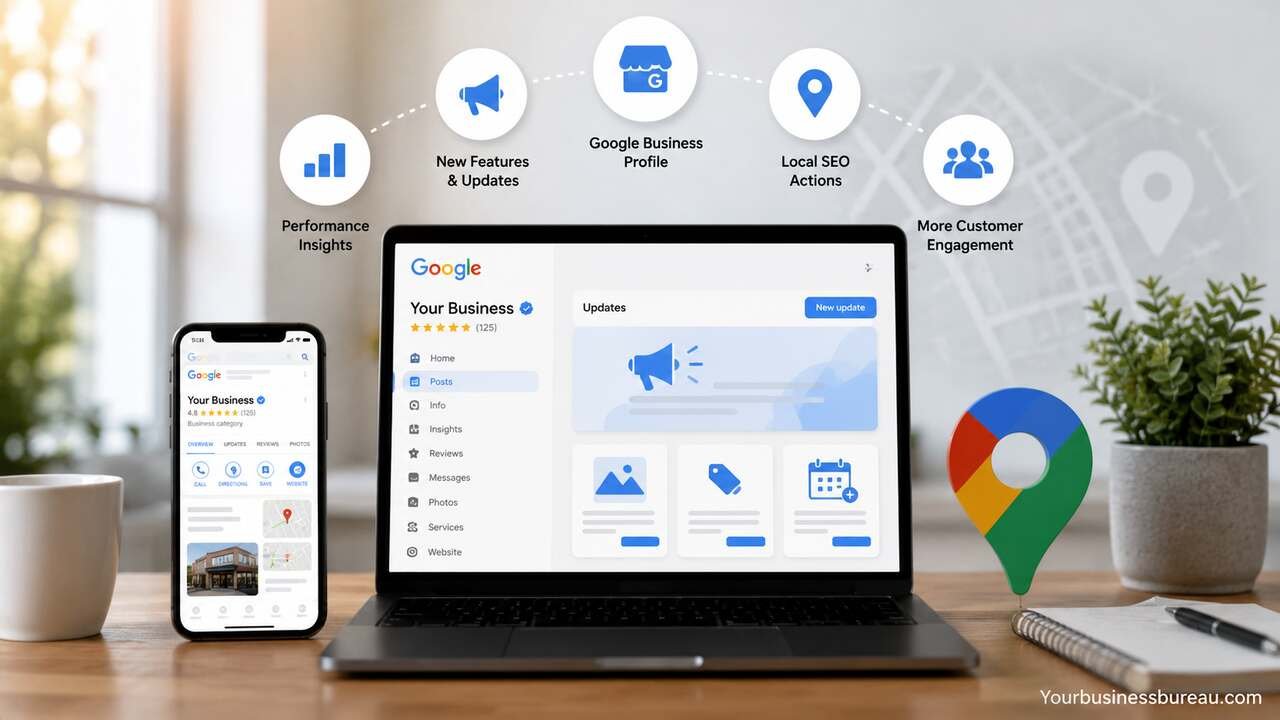
Google Business Profile continued to evolve throughout 2025, and November brought several developments that affected local visibility, customer engagement, reputation management, and business discovery across Google Search and Google Maps. For local businesses, agencies, marketers, and multi-location brands, staying informed about Google Business Profile changes is essential because even small adjustments can influence rankings, conversions, and customer interactions.
November 2025 highlighted ongoing improvements in profile management, AI-driven customer experiences, review moderation, business verification processes, performance reporting, and local search visibility. Businesses that quickly adapt to platform updates often gain a competitive advantage in local search results, while organizations that ignore changes risk losing visibility and customer trust.
This guide covers the most important Google Business Profile developments associated with November 2025, practical actions businesses should take, and strategies for maximizing local SEO performance in response to ongoing platform changes.
Review Recent Google Business Profile Updates Affecting Local Visibility
Google continued refining how local businesses appear in Search and Maps. Visibility increasingly depended on profile completeness, review quality, business activity, and customer engagement signals.
Businesses with detailed profiles generally experienced stronger local search performance. Essential profile elements included accurate business categories, service descriptions, operating hours, photos, products, services, and customer reviews.
Google also expanded the use of AI-assisted search experiences, making profile accuracy more important than ever. Search systems increasingly relied on business profile information to generate summaries, recommendations, and local discovery results.
Organizations that regularly updated profile information were more likely to maintain consistency across Google’s ecosystem and improve trust signals for both users and search algorithms.
Complete Every Business Profile Field Available
A fully optimized profile remained one of the strongest foundations of local SEO in November 2025.
Businesses should ensure the following information is complete:
| Profile Element | Purpose | SEO Impact |
| Business Name | Brand identification | High |
| Primary Category | Business classification | Very High |
| Secondary Categories | Additional relevance | High |
| Address | Location accuracy | Very High |
| Phone Number | Customer contact | Medium |
| Website URL | Traffic generation | High |
| Hours of Operation | Customer convenience | Medium |
| Services | Search relevance | High |
| Products | Commercial intent visibility | High |
| Photos | Engagement and trust | Medium |
Accurate information helps Google understand business relevance for specific searches. Category selection remains particularly important because categories influence ranking eligibility across numerous search queries.
Businesses operating in multiple service areas should carefully review service area settings and ensure they align with actual customer coverage regions.
Consistent updates also reduce the likelihood of user-generated edits introducing inaccuracies into profiles.
Strengthen Review Management Processes
Customer reviews remained one of the most influential components of Google Business Profile performance in November 2025.
Businesses should actively request reviews from satisfied customers while adhering to Google’s policies. A steady flow of authentic reviews signals business relevance and customer satisfaction.
Several review-related practices deserve attention:
- Respond to all reviews promptly.
- Address negative feedback professionally.
- Avoid incentivized reviews.
- Monitor suspicious review activity.
- Encourage detailed customer experiences.
Review responses contribute to engagement signals and demonstrate customer service quality. Prospective customers frequently evaluate business responses before making purchasing decisions.
Google’s moderation systems continued improving review quality detection, making authentic review generation more valuable than ever.
Publish Fresh Photos and Visual Content Regularly
Visual content continued to play a major role in profile engagement.
Businesses that uploaded recent photos often generated higher interaction rates than profiles relying on outdated imagery. Customers increasingly expect visual confirmation before visiting a location or contacting a service provider.
Recommended photo categories include:
- Exterior images
- Interior images
- Team photos
- Product photos
- Service delivery photos
- Event photos
- Before-and-after examples where appropriate
Fresh imagery helps customers understand what to expect and provides additional relevance signals to Google’s systems.
Organizations should establish a monthly schedule for uploading new visual assets rather than updating photos only occasionally.
Use Google Posts to Maintain Customer Engagement
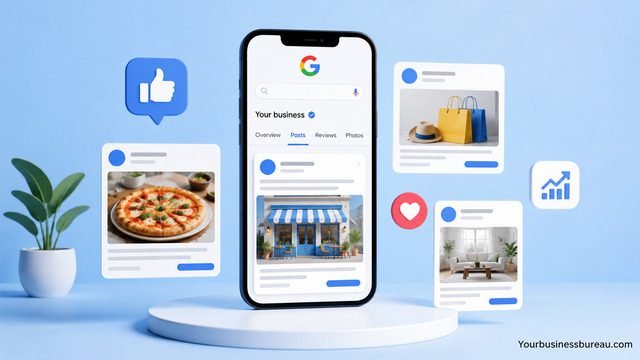
Google Posts remained an effective feature for communicating updates directly within business profiles.
Businesses can use posts to promote:
- Special offers
- Events
- Product launches
- Seasonal promotions
- Business announcements
- Community involvement
Regular posting demonstrates business activity and gives customers additional reasons to interact with a profile.
A consistent publishing schedule also supports broader local marketing efforts by reinforcing promotional campaigns directly within Google’s ecosystem.
Businesses should align post topics with seasonal demand patterns and customer interests.
Monitor Performance Insights More Closely
Performance reporting continued evolving throughout 2025.
Businesses gained valuable information regarding:
| Metric | Business Value |
| Searches | Visibility trends |
| Calls | Lead generation |
| Website Clicks | Traffic performance |
| Direction Requests | Location demand |
| Messages | Customer engagement |
| Booking Actions | Conversion tracking |
| Photo Views | Content effectiveness |
Monitoring these metrics allows businesses to identify trends and make informed optimization decisions.
A decline in visibility may indicate increased competition, incomplete profile information, category issues, or reduced customer engagement.
Strong businesses increasingly rely on monthly reporting reviews rather than occasional profile checks.
Adapt to AI-Driven Local Search Experiences
Artificial intelligence continued influencing how users discover local businesses.
Google increasingly incorporated AI-generated search experiences that summarize information from multiple sources, including Google Business Profiles.
This shift placed greater importance on:
- Accurate descriptions
- Consistent business information
- Detailed services
- Strong review content
- Updated visual assets
Businesses should write profile content that clearly explains products, services, specialties, and unique selling points.
When AI systems interpret business information, clarity becomes a competitive advantage.
Organizations that provide comprehensive profile details improve their chances of being accurately represented in AI-generated search experiences.
Improve Local Ranking Signals Through Category Optimization
Category optimization remained one of the most impactful local SEO activities.
The primary category communicates a business’s main focus to Google. Secondary categories help expand relevance for related searches.
Businesses should review category selections regularly and compare them against:
- Core services
- Competitor categories
- Customer search behavior
- New business offerings
Incorrect categories can limit visibility even when other profile elements are optimized.
As industries evolve, Google occasionally introduces new category options that may provide more precise classification opportunities.
Businesses should periodically audit category selections to ensure maximum relevance.
Strengthen Verification and Profile Security
Verification remained a significant focus throughout 2025.
Google continued refining verification methods to improve profile quality and reduce spam.
Common verification methods included:
- Video verification
- Phone verification
- Email verification
- Live verification processes
- Business documentation review
Organizations should maintain accurate business records to simplify verification requests.
Security best practices also became increasingly important. Businesses should limit administrative access to trusted personnel and regularly review account permissions.
Strong profile security helps prevent unauthorized edits, ownership disputes, and operational disruptions.
Expand Product and Service Information
Google increasingly relied on detailed service and product information to match businesses with customer searches.
Businesses should create comprehensive service listings that include:
| Information Type | Example |
| Service Name | Roof Repair |
| Description | Residential roof leak repair |
| Pricing | Starting rates |
| Service Area | Covered locations |
| Availability | Business hours |
Detailed product and service entries improve search relevance while helping customers understand available offerings before contacting a business.
Organizations offering multiple service categories benefit significantly from expanded listings.
This approach also supports long-tail search visibility.
Optimize Multi-Location Business Profiles
Multi-location businesses faced unique challenges and opportunities in November 2025.
Each location should maintain:
- Unique descriptions
- Local phone numbers
- Location-specific photos
- Accurate operating hours
- Localized service information
Many brands mistakenly duplicate profile content across locations, reducing opportunities for local relevance.
Individual location optimization helps Google understand each branch’s specific market and customer base.
Brands operating nationally or regionally should establish standardized profile management procedures while preserving local uniqueness.
Build Strong Local Authority Signals
Google Business Profile performance increasingly depended on broader local authority indicators.
Businesses should strengthen authority through:
- Local backlinks
- Community involvement
- Local media coverage
- Industry partnerships
- Customer testimonials
- Consistent citations
Authority signals complement profile optimization and help reinforce trust.
Search systems evaluate businesses using multiple data sources. Strong local authority often enhances profile performance and search visibility.
Businesses that invest in community presence frequently experience benefits across both branding and local SEO.
Manage Customer Messaging Effectively
Customer messaging remained an important engagement feature.
Businesses enabling messaging should establish response procedures to ensure timely communication.
Key messaging practices include:
- Quick response times
- Clear service information
- Professional communication
- Consistent follow-up
- Lead qualification processes
Customers increasingly expect immediate answers when researching local providers.
Slow responses can result in lost opportunities and reduced customer satisfaction.
Organizations should integrate messaging management into broader customer service workflows.
Audit Business Information Across the Web
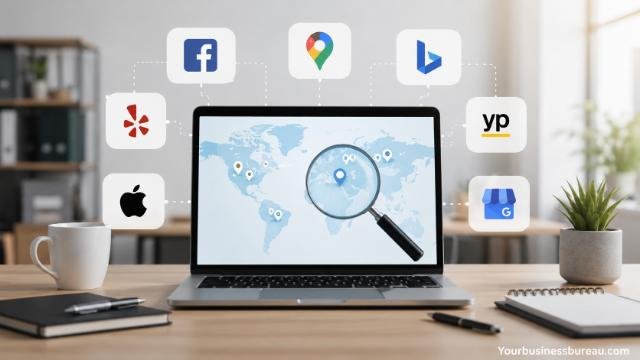
Consistency remained a major local SEO factor.
Businesses should regularly compare profile information against:
- Company websites
- Social media profiles
- Industry directories
- Local directories
- Mapping platforms
Inconsistent information can create confusion for both customers and search systems.
A comprehensive citation audit helps identify discrepancies before they negatively affect visibility.
Businesses should prioritize consistency in business name, address, phone number, website URL, and operating hours.
Prepare for Future Google Business Profile Changes
November 2025 reinforced a broader trend: Google Business Profile continues moving toward greater automation, AI integration, and customer-centric experiences.
Businesses should prepare for future developments by focusing on:
- Data accuracy.
- Customer satisfaction.
- Review generation.
- Visual content quality.
- Local authority building.
- Consistent engagement.
- Performance measurement.
Organizations that adopt proactive optimization practices are generally better positioned to adapt to future platform updates.
Long-term success depends less on reacting to individual changes and more on maintaining a high-quality, trustworthy online presence.
Conclusion
Google Business Profile news from November 2025 emphasized the growing importance of profile completeness, review quality, AI-readiness, verification security, and customer engagement. Local businesses that actively manage their profiles, publish fresh content, monitor performance data, and maintain accurate information are better positioned to achieve stronger visibility in Google Search and Maps.
As Google’s local ecosystem continues evolving, successful businesses will focus on providing clear information, exceptional customer experiences, and consistent engagement signals. By implementing the strategies outlined in this guide, organizations can strengthen local search performance, improve customer trust, and create a sustainable competitive advantage in local markets.
FAQ’s
Google reviews remain one of the strongest local ranking and conversion factors. Review quality, frequency, and responsiveness all contribute to profile performance.
Yes. Regular posts help demonstrate business activity, promote offers, and improve customer engagement.
Yes. Missing information can limit Google’s understanding of a business and reduce eligibility for relevant local searches.
A monthly upload schedule is generally recommended to keep profiles fresh and maintain customer interest.
Absolutely. Primary and secondary categories are among the most important relevance signals in Google Business Profile optimization.
The strongest trend is the increasing influence of AI-driven search experiences, which makes accurate, comprehensive, and regularly updated profile information more valuable than ever.
