

Highlights
- Ethical crypto trading protects long term profitability by aligning strategy with transparency, accountability, and disciplined risk management.
- Sustainable growth in digital asset markets depends on rejecting manipulation, misinformation, and reckless leverage.
- Responsible risk control through position sizing and diversification prevents emotional trading and portfolio collapse.
- Transparency in communication, reporting, and compliance builds trust with exchanges, communities, and regulators.
- Environmental and social awareness strengthens the long term credibility of blockchain adoption.
- Regulatory compliance reduces legal exposure and supports institutional participation in crypto markets.
- Personal integrity and continuous learning create consistency, which compounds both reputation and capital.
Introduction
Cryptocurrency trading requires more than technical skills and profit strategies. Sustainable participation in digital asset markets demands ethical decision-making, transparency, responsibility, and long-term thinking. Ethical trading principles help crypto traders protect capital, preserve market integrity, support financial innovation, and contribute to a more stable blockchain ecosystem. When you follow structured moral guidelines, you reduce personal risk, avoid regulatory issues, and strengthen trust across decentralized finance networks. Sustainable crypto trading is not only about maximizing returns; it is about aligning behavior with fairness, accountability, and long-term value creation. I have learned through experience that ethical discipline builds stronger portfolios than short-term opportunism. When you approach crypto markets with integrity, the market rewards consistency over speculation-driven impulse
Why Is Ethical Responsibility Important in Crypto Trading?
Ethical responsibility protects market stability and builds trust between participants. Cryptocurrency markets operate with high volatility, global access, and limited centralized oversight. Such conditions increase opportunities for manipulation, misinformation, and reckless speculation. Ethical behavior reduces harmful practices and supports a transparent trading environment where informed decisions replace emotional reactions.
Responsible trading strengthens personal credibility. When you maintain integrity in your trading decisions, counterparties, communities, and platforms recognize reliability. Credibility reduces conflicts and builds long-term relationships within exchanges, decentralized platforms, and trading communities. I always tell fellow traders that reputation becomes an invisible asset that compounds over time.
Sustainable profitability depends on disciplined conduct. Short-term gains achieved through questionable tactics often lead to legal exposure, exchange bans, or reputational damage. Ethical trading protects long-term capital growth because sustainable markets attract institutional participation, regulatory clarity, and technological innovation. When you think long term, you trade with stability rather than desperation.
Market Transparency
Market transparency reduces asymmetry of information. Transparent order execution, clear risk disclosure, and honest communication eliminate unfair advantages. When you share accurate analysis instead of hype, you protect inexperienced traders from financial harm. Transparent behavior also reduces regulatory scrutiny because compliance aligns with ethical clarity.
Trust Building
Trust strengthens ecosystem resilience. Decentralized finance depends heavily on peer confidence. When traders act responsibly, liquidity improves and volatility stabilizes. I have observed that communities with ethical norms recover faster during downturns because participants support rational decision-making instead of panic-driven selling.
How Can Crypto Traders Avoid Market Manipulation?

Avoiding market manipulation begins with rejecting pump-and-dump schemes. Pump-and-dump activity artificially inflates token prices through coordinated hype, then collapses value when organizers sell holdings. Participation in such schemes damages market credibility and exposes traders to legal consequences. Sustainable trading rejects artificial price movements and supports organic growth.
Avoid spreading misinformation for personal gain. Social media platforms amplify unverified rumors quickly. False narratives influence price action and create distorted volatility. Ethical traders verify information before sharing insights. I personally cross-check project fundamentals, tokenomics, development activity, and liquidity metrics before forming public opinions.
Reject insider trading and unfair informational advantages. Access to non-public information creates unequal opportunity and undermines fair market structure. Responsible traders rely on publicly available data, on-chain analytics, and transparent research tools. Fair participation preserves competitive integrity and protects against regulatory enforcement.
Pump and Dump Prevention
Prevention requires disciplined skepticism. Evaluate trading volume, token distribution, liquidity depth, and developer transparency before investing. Sudden price spikes without fundamental catalysts often indicate manipulation. Patience protects capital from artificial hype cycles.
Responsible Information Sharing
Responsible communication includes fact-based analysis and clear risk disclaimers. When you share market insights, clarify uncertainty and avoid guaranteeing profits. Honest communication builds credibility and reduces collective financial harm.
What Role Does Risk Management Play in Ethical Trading?
Risk management aligns ethical conduct with financial sustainability. Overleveraging increases liquidation cascades and destabilizes markets. Responsible position sizing reduces systemic risk and protects personal capital. Sustainable traders use stop-loss orders, diversified portfolios, and calculated exposure.
Diversification reduces concentrated risk. Allocation across different blockchain networks, sectors, and market caps stabilizes returns. Ethical traders avoid encouraging extreme leverage or all-in speculation among inexperienced participants. I often advise beginners to prioritize capital preservation before chasing high returns.
Emotional discipline supports ethical risk control. Greed and fear distort rational judgment. Structured trading plans replace impulse-based execution. When you maintain consistent rules for entry, exit, and risk exposure, you reduce market noise and promote stability.
Position Sizing Strategy
Position sizing balances opportunity and protection. Limiting single-trade exposure to a defined percentage of portfolio value prevents catastrophic loss. Structured allocation reflects long-term sustainability rather than speculative gambling.
Emotional Regulation
Emotional regulation reduces panic-driven mistakes. Meditation, journaling, and performance tracking improve decision quality. Self-awareness strengthens ethical accountability because disciplined traders resist herd behavior.
How Does Transparency Improve Long Term Sustainability?
Transparency strengthens market efficiency. Public disclosure of project roadmaps, token supply schedules, and governance structures enables informed decisions. Ethical traders prioritize projects with transparent development teams and open-source contributions.
Open communication improves community alignment. When developers share progress updates and financial disclosures, investors evaluate performance objectively. I have invested in projects where regular transparency reports significantly reduced uncertainty during volatile market cycles.
Regulatory transparency reduces compliance risk. Governments increasingly regulate digital assets. Traders who comply with tax reporting, anti-money laundering standards, and legal frameworks protect themselves from penalties. Ethical compliance enhances long-term viability of the crypto industry.
Clear Reporting
Clear reporting includes accurate tax filings and performance documentation. Maintaining transaction records supports regulatory compliance and personal financial planning. Organized reporting demonstrates accountability.
Project Accountability
Project accountability ensures funds support development goals. Transparent treasury management reduces fraud risk. Ethical investors evaluate governance models and community voting mechanisms before committing capital.
Why Should Traders Prioritize Environmental and Social Impact?
Environmental responsibility affects blockchain sustainability. Proof-of-work mining consumes significant energy. Ethical traders evaluate environmental impact when selecting networks or assets. Supporting energy-efficient consensus mechanisms encourages greener innovation.
Social responsibility strengthens financial inclusion. Cryptocurrency provides banking alternatives in underserved regions. Traders who support projects focused on remittances, microfinance, and decentralized identity contribute to global economic empowerment.
Long-term adoption depends on responsible growth. Excessive speculation damages public perception. I believe traders influence reputation through behavior. When you act responsibly, regulators and institutions view digital assets as legitimate financial infrastructure.
Energy Efficiency Awareness
Energy efficiency awareness includes evaluating carbon footprint metrics and supporting renewable mining initiatives. Environmentally conscious investment aligns profit with sustainability.
Community Contribution
Community contribution involves supporting education, open-source development, and ethical governance. Participating in constructive discussions improves ecosystem health and innovation quality.
How Can Compliance and Regulation Support Ethical Trading?
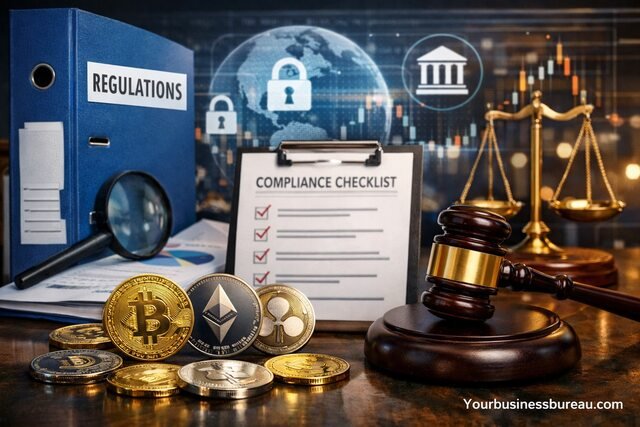
Regulatory compliance provides structural clarity. Adhering to local laws, tax obligations, and reporting standards protects traders from legal risk. Compliance fosters institutional participation and market maturity.
Know Your Customer procedures strengthen anti-fraud protection. Identity verification reduces illicit activity and enhances exchange security. Ethical traders respect compliance frameworks even within decentralized environments.
Global regulatory evolution shapes market future. Governments develop digital asset legislation to balance innovation and consumer protection. I monitor regulatory updates regularly because informed compliance prevents unexpected restrictions.
Tax Responsibility
Tax responsibility includes accurate calculation of capital gains and transparent reporting. Organized recordkeeping prevents legal complications and builds financial discipline.
Legal Awareness
Legal awareness involves understanding securities classifications, derivatives regulations, and jurisdictional differences. Knowledge empowers ethical decision-making and prevents accidental violations.
How Can Personal Integrity Shape Long Term Success?
Personal integrity influences trading psychology and decision quality. Integrity encourages consistent strategy execution and prevents unethical shortcuts. Long-term wealth creation requires patience and discipline.
Continuous education strengthens ethical judgment. Blockchain technology evolves rapidly. Traders who study tokenomics, decentralized finance protocols, and macroeconomic trends develop informed perspectives. I dedicate time weekly to research because knowledge supports responsible action.
Community engagement enhances accountability. Participation in constructive forums and governance discussions fosters collaborative growth. Ethical traders contribute positively instead of promoting hype. Sustainable success emerges from integrity, discipline, and informed participation.
Continuous Learning
Continuous learning improves analytical accuracy. Reading whitepapers, studying on-chain analytics, and analyzing market cycles refine decision-making processes.
Community Accountability
Community accountability reinforces responsible behavior. Engaging with experienced traders and mentors encourages constructive feedback and ethical consistency.
Conclusion
Ethical trading principles define sustainable participation in cryptocurrency markets. Responsibility protects stability, transparency strengthens trust, risk management preserves capital, environmental awareness supports innovation, compliance ensures legal security, and personal integrity drives long-term growth. Sustainable crypto trading aligns profit with accountability. When you approach markets with discipline and moral clarity, you build credibility, protect capital, and contribute to a healthier digital asset ecosystem. I have witnessed that ethical traders survive volatility and compound wealth steadily. Long-term success in crypto depends less on short-term speculation and more on principled behavior.
If you want to explore how we help businesses grow from the ground up, you can visit yourbusinessbureau.com to see what we offer.
FAQ’s
Ethical crypto trading involves transparency, responsible risk management, accurate information sharing, regulatory compliance, and respect for market integrity.
Sustainability ensures long-term market stability, protects investor capital, and supports innovation without causing systemic harm or reputational damage.
Beginners can start by avoiding hype-driven investments, verifying information, managing risk carefully, and complying with tax and legal requirements.
Ethical trading improves long-term profitability by minimizing legal risk, preventing catastrophic losses, and strengthening reputation within trading communities.
Environmental awareness encourages support for energy-efficient blockchain networks and responsible innovation, which improves long-term adoption and public trust.
