


Introduction
Business Insider SHRM is a keyword often associated with professionals who want to understand how workplace news, human resources strategies, leadership practices, hiring trends, and employment policies intersect. Business leaders, HR professionals, recruiters, executives, and employees frequently rely on insights from Business Insider and SHRM to stay informed about changing workplace expectations, labor market developments, employee engagement strategies, compensation trends, and organizational culture.
As businesses adapt to artificial intelligence, hybrid work, talent shortages, compliance requirements, and evolving employee expectations, these two influential sources offer complementary perspectives. Business Insider focuses on business news, executive interviews, market trends, and company developments, while SHRM provides practical HR guidance, employment law updates, workforce management resources, and professional standards. Understanding how these resources complement one another helps organizations make informed decisions that improve productivity, compliance, employee satisfaction, and long-term business success.
Follow Business Insider Coverage to Understand Workplace Trends
Business Insider delivers timely reporting on companies, executives, industries, and workforce developments. HR professionals frequently monitor its reporting to identify emerging workplace patterns before they become widespread.
Coverage often includes executive leadership decisions, layoffs, return-to-office initiatives, compensation strategies, artificial intelligence adoption, employee benefits, and organizational restructuring. These developments help HR teams anticipate challenges that may affect recruiting, retention, and workforce planning.
Business Insider also highlights startup culture, technology innovation, management practices, and economic conditions that influence hiring demand. Organizations that stay informed about these trends can better prepare recruitment strategies, compensation planning, and employee communication initiatives.
Common topics covered
| Area | Typical Coverage | Business Value |
| Hiring | Recruitment trends | Better workforce planning |
| Leadership | Executive decisions | Improved management insights |
| Technology | AI adoption | Strategic implementation |
| Economy | Labor market updates | Smarter hiring decisions |
| Workplace | Hybrid work | Policy development |
| Compensation | Salary trends | Competitive pay strategies |
Use SHRM Resources to Build Effective HR Policies
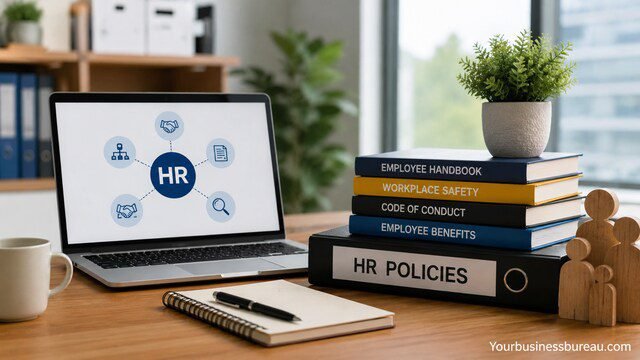
SHRM serves as one of the most recognized professional resources for human resource management. Its guidance focuses on practical implementation rather than news reporting.
Organizations use SHRM resources to create employee handbooks, update workplace policies, improve onboarding, strengthen performance management, and maintain legal compliance. HR professionals also depend on SHRM for employment law updates, certification programs, and best practices.
Effective HR policies reduce organizational risk while creating consistency across hiring, employee development, disciplinary procedures, and workplace culture. Using established guidance helps organizations maintain fairness and transparency.
Key areas include:
- Recruitment
- Employee relations
- Performance management
- Compensation
- Benefits administration
- Diversity and inclusion
- Learning and development
- Compliance
- Workplace investigations
- Employee retention
Combine Business News with HR Best Practices
Successful organizations rarely rely on a single information source. Business news explains what companies are doing, while HR guidance explains how organizations can responsibly implement similar initiatives.
For example, if major companies announce widespread AI adoption, Business Insider may report the strategic business reasons behind the change. SHRM resources can then help HR teams address employee training, policy updates, job redesign, ethics, and workforce communication.
This combination allows decision-makers to balance innovation with employee well-being.
Examples include:
| Business Development | HR Response |
| AI implementation | Employee training programs |
| Remote work expansion | Hybrid work policies |
| Layoffs | Workforce transition planning |
| Hiring growth | Recruitment strategy updates |
| Company acquisitions | Change management planning |
| New benefits | Policy documentation |
Strengthen Recruitment Strategies with Industry Insights
Recruitment has become increasingly competitive. Employers need current information about candidate expectations, salary benchmarks, workplace flexibility, and employer branding.
Business reporting often reveals which industries are expanding and which skills are in demand. HR guidance then helps organizations refine job descriptions, interview processes, onboarding procedures, and candidate experiences.
Successful recruitment typically involves:
- Clear job descriptions
- Competitive compensation
- Efficient interview processes
- Strong employer branding
- Inclusive hiring practices
- Structured onboarding
- Continuous communication
Organizations that integrate market intelligence with structured HR processes generally improve hiring outcomes.
Improve Employee Retention Through Better Workplace Practices
Retaining skilled employees has become as important as recruiting them. Organizations invest significant resources in employee development, engagement, recognition, and career growth to reduce turnover.
Business reporting frequently identifies the reasons employees leave organizations, such as limited flexibility, inadequate leadership, or compensation concerns. HR frameworks help organizations develop practical retention strategies.
Important retention initiatives include:
- Career development
- Leadership coaching
- Recognition programs
- Competitive compensation
- Flexible work arrangements
- Learning opportunities
- Employee wellness
- Internal mobility
When these initiatives align with broader business goals, organizations often experience higher productivity and lower turnover costs.
Develop Leadership Skills That Support Business Growth

Leadership quality significantly influences employee engagement and organizational performance.
Business publications frequently profile successful executives and examine leadership decisions during periods of growth or crisis. HR professionals translate these lessons into leadership development programs, coaching initiatives, succession planning, and management training.
Effective leaders typically demonstrate:
- Strategic thinking
- Communication
- Accountability
- Emotional intelligence
- Decision-making
- Adaptability
- Team development
- Conflict resolution
Organizations that consistently invest in leadership development are generally better positioned for sustainable growth.
Prepare for Workplace Technology and Artificial Intelligence
Technology continues transforming HR operations and business management. Artificial intelligence supports recruiting, performance analytics, workforce planning, learning management, and administrative automation.
Organizations should evaluate technology based on business objectives, employee experience, security, privacy, and legal compliance.
Implementation often includes:
- Assess organizational needs.
- Select appropriate technology.
- Train employees.
- Update workplace policies.
- Monitor performance.
- Improve processes continuously.
Responsible adoption balances efficiency with transparency and employee trust.
Maintain Compliance with Employment Regulations
Compliance remains one of HR’s most important responsibilities. Organizations must stay current with labor laws, workplace safety requirements, anti-discrimination regulations, wage standards, and employee privacy obligations.
Business news often highlights significant legal developments affecting employers. HR guidance translates those developments into practical workplace actions.
Organizations should regularly review:
- Employee handbook
- Hiring procedures
- Payroll practices
- Leave policies
- Performance documentation
- Workplace investigations
- Data privacy practices
- Safety procedures
Routine policy reviews help reduce legal risk while supporting a positive workplace culture.
Measure HR Success Using Meaningful Metrics
Modern HR departments increasingly rely on data to improve decision-making.
Useful HR metrics include:
| Metric | Purpose | Business Impact |
| Time-to-hire | Recruitment efficiency | Faster hiring |
| Employee turnover | Retention analysis | Lower replacement costs |
| Engagement score | Workforce satisfaction | Higher productivity |
| Training completion | Learning effectiveness | Better skill development |
| Absenteeism | Workforce health | Improved attendance |
| Internal promotions | Career growth | Stronger retention |
Tracking these indicators allows organizations to identify trends and continuously improve workforce performance.
Build a Culture That Supports Long-Term Success
A strong organizational culture aligns employee behavior with company values and strategic objectives.
Successful organizations encourage open communication, collaboration, accountability, recognition, continuous learning, and inclusion. HR policies provide structure, while leadership behavior reinforces cultural expectations.
Culture development is not a one-time initiative. It requires consistent hiring practices, leadership commitment, employee feedback, performance management, and ongoing communication.
Organizations with healthy workplace cultures are often more resilient during economic uncertainty and organizational change.
Conclusion
The keyword Business Insider SHRM represents the intersection of business intelligence and human resource excellence. Business Insider provides valuable reporting on companies, markets, executive leadership, technology, and workplace developments, while SHRM offers practical guidance for implementing effective HR policies, maintaining compliance, developing employees, and improving organizational performance.
Together, these resources help organizations respond to changing workforce expectations, adopt emerging technologies responsibly, strengthen leadership, improve recruitment and retention, and build sustainable workplace cultures. Companies that combine current business insights with structured HR practices are better equipped to navigate today’s evolving business environment and position themselves for long-term success.
FAQ’s
It generally refers to workplace topics that connect Business Insider’s reporting on business and employment trends with SHRM’s professional guidance on human resources and workplace management.
HR professionals, recruiters, executives, managers, business owners, consultants, students, and organizational leaders can all benefit from using both resources.
Business news helps identify emerging workplace trends, while HR frameworks translate those trends into practical hiring, leadership, compliance, and employee engagement strategies.
Business reporting explains what organizations are doing, and HR guidance helps organizations implement similar initiatives responsibly, legally, and effectively.
Popular subjects include artificial intelligence, hybrid work, employee engagement, compensation, recruiting, retention, leadership development, workplace culture, labor market trends, and employment regulations.
Most organizations should review policies annually and whenever significant legal changes, business transformations, or workplace developments occur to ensure continued compliance and effectiveness.
