

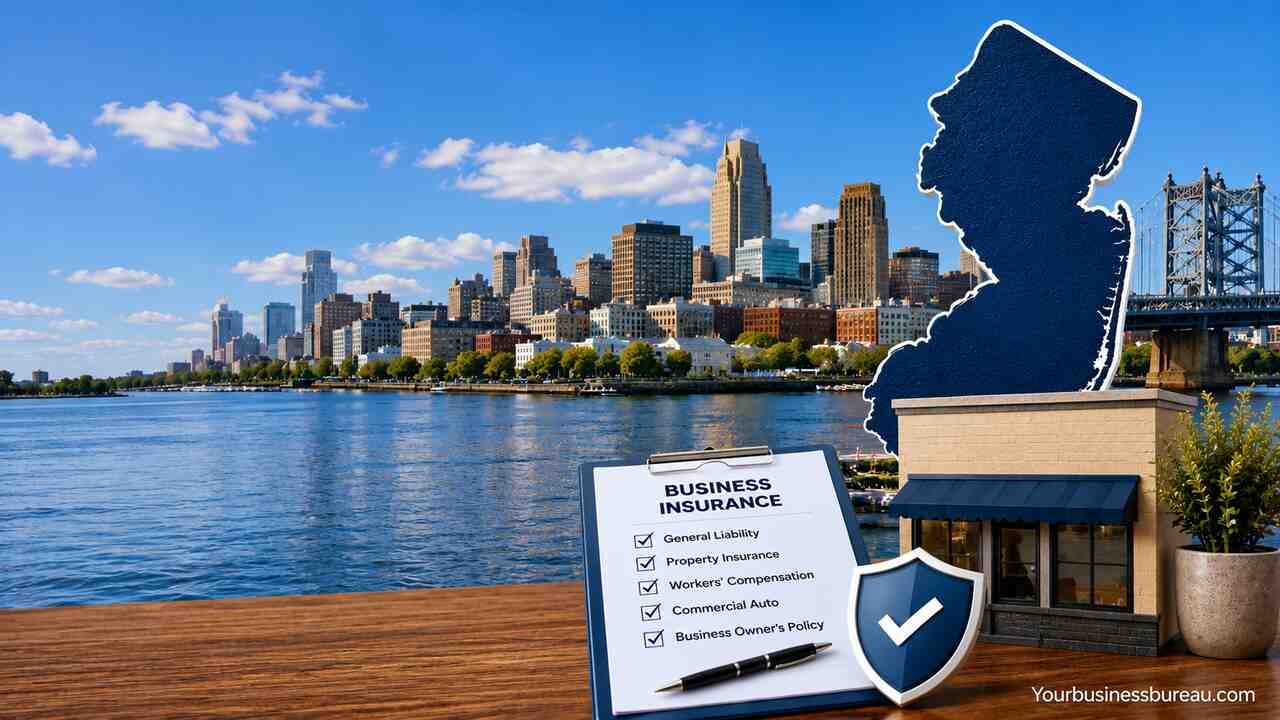
Running a business in New Jersey involves opportunity, growth, and responsibility. Whether you operate a retail store, construction company, consulting firm, restaurant, or home-based startup, protecting your company from financial losses is essential. NJ small business insurance helps business owners manage risks related to property damage, lawsuits, employee injuries, cyber incidents, professional mistakes, and unexpected interruptions.
New Jersey businesses face unique challenges due to state regulations, employment requirements, weather-related risks, and industry-specific liabilities. Selecting the right insurance strategy can help maintain business continuity, safeguard assets, and build credibility with customers, vendors, and clients. This guide explains how to evaluate risks, choose coverage, compare policies, meet state requirements, and maintain protection as your business grows.
Assess Your Business Risks Before Choosing Coverage
The first step in obtaining NJ small business insurance is identifying the risks your company faces. Every business operates differently, and insurance needs vary based on industry, location, number of employees, revenue, equipment, and customer interactions.
A retail store may face theft, slip-and-fall claims, and property damage. A contractor may face workplace injuries, equipment losses, and construction-related liability. Professional service firms often face risks associated with client disputes, professional errors, and data breaches. Restaurants encounter food safety concerns, equipment breakdowns, and employee injury exposures.
Understanding these exposures allows business owners to avoid both underinsurance and excessive coverage. A thorough risk assessment should examine physical assets, operational processes, customer interactions, employee responsibilities, technology systems, and contractual obligations. Many insurers evaluate these factors when determining premiums and policy terms.
Determine the General Liability Coverage Your Business Needs
General liability insurance serves as the foundation of most small business insurance programs in New Jersey. It protects businesses from claims involving bodily injury, property damage, and advertising-related disputes.
For example, if a customer slips on a wet floor inside a store, general liability insurance may help cover legal expenses, settlements, and medical costs. If a business accidentally damages a client’s property while providing services, the policy may respond to those claims as well.
Coverage limits should reflect the scale of operations and potential exposure. Businesses that frequently interact with customers, host visitors, attend events, or work at client locations often require higher limits. Landlords, commercial leases, and vendor contracts frequently require proof of general liability coverage before business activities can begin.
General Liability Risk Examples
| Risk Scenario | Potential Financial Impact | Insurance Response |
| Customer injury | Medical bills and legal fees | Covered under liability policy |
| Property damage to client assets | Repair or replacement costs | Covered within policy limits |
| Advertising dispute | Legal defense expenses | May be covered |
| Third-party lawsuit | Settlement and attorney fees | Covered subject to terms |
Obtain Workers’ Compensation Insurance for Employees
New Jersey generally requires employers to carry workers’ compensation insurance. This coverage protects employees who suffer work-related injuries or illnesses while protecting employers from certain liability exposures.
Workers’ compensation typically pays medical expenses, rehabilitation costs, disability benefits, and portions of lost wages. Industries such as construction, manufacturing, transportation, hospitality, and healthcare often face higher workers‘ compensation risks due to physical job demands.
Employers should maintain accurate payroll records, classify employees correctly, and implement workplace safety programs. Insurers use payroll, industry classification, claims history, and risk management practices to determine premiums.
Business owners who invest in employee training, equipment maintenance, safety inspections, and injury prevention programs may experience fewer claims and better long-term insurance outcomes.
Protect Buildings, Inventory, and Equipment With Commercial Property Insurance

Commercial property insurance protects physical business assets from covered events such as fire, theft, vandalism, wind damage, and certain weather-related incidents.
A New Jersey business may own or lease office space, warehouses, retail stores, restaurants, manufacturing facilities, or specialized workspaces. Property coverage can help repair or replace damaged structures, inventory, furniture, computers, tools, machinery, and other business assets.
Business owners should create detailed inventories of equipment and property. Maintaining records, photographs, purchase receipts, and asset valuations can simplify claims processing after a loss.
Coverage considerations often include:
- Buildings
- Inventory
- Furniture
- Electronics
- Machinery
- Tools
- Signage
- Tenant improvements
- Outdoor property
Regular reviews ensure policy limits remain aligned with current replacement costs, especially during periods of inflation and rising construction expenses.
Add Business Interruption Coverage to Preserve Revenue
Even businesses with excellent property insurance can suffer financially when operations stop after a covered event. Business interruption insurance helps replace lost income and ongoing expenses during temporary shutdowns.
If a fire damages a restaurant, retail shop, or office, revenue may stop immediately while rent, payroll obligations, utilities, and loan payments continue. Business interruption coverage helps bridge that gap.
This protection is particularly valuable for:
- Restaurants
- Retail stores
- Medical practices
- Manufacturing facilities
- Professional offices
- Distribution centers
Coverage terms vary significantly among insurers. Business owners should review waiting periods, covered causes of loss, restoration timelines, and income calculation methods to understand how claims would be handled.
Secure Professional Liability Insurance for Service-Based Businesses

Professional liability insurance, often called errors and omissions insurance, protects businesses that provide advice, expertise, consulting, design, or professional services.
Even highly skilled professionals can face allegations that a mistake, oversight, delay, or recommendation caused financial harm to a client. Defending these claims can be expensive regardless of whether the business ultimately prevails.
Industries that commonly purchase professional liability coverage include:
- Consultants
- Accountants
- Architects
- Engineers
- Marketing agencies
- Technology firms
- Real estate professionals
- Financial advisors
A client may claim that inaccurate information, project delays, missed deadlines, or professional negligence caused financial losses. Professional liability insurance can help cover legal defense costs and settlements within policy limits.
Strengthen Cybersecurity Protection With Cyber Insurance
Cyber threats continue to affect organizations of every size. Small businesses are increasingly targeted because they often have fewer security resources than larger corporations.
Cyber insurance helps address financial losses associated with data breaches, ransomware attacks, network interruptions, privacy violations, and cybersecurity incidents.
Common exposures include:
- Customer data breaches
- Employee record theft
- Payment system compromises
- Email phishing attacks
- Ransomware events
- Network downtime
- Regulatory investigations
Many New Jersey businesses collect customer information, payment details, employee records, or confidential business data. A cyber event can trigger notification expenses, forensic investigations, legal fees, public relations costs, and regulatory compliance obligations.
Businesses should combine cyber insurance with strong cybersecurity practices, including multi-factor authentication, employee training, software updates, encrypted data storage, and incident response planning.
Cover Business Vehicles With Commercial Auto Insurance
Businesses that own, lease, or regularly use vehicles for operations should evaluate commercial auto insurance. Personal auto policies often exclude business-related activities.
Commercial auto coverage may protect:
- Company cars
- Delivery vehicles
- Service trucks
- Contractor vehicles
- Fleet operations
- Specialty transportation equipment
Coverage can include liability protection, collision coverage, comprehensive protection, uninsured motorist coverage, and medical payments.
Businesses involved in delivery services, construction, maintenance, transportation, and mobile services often face elevated driving exposures. Vehicle safety programs, driver screening, and routine maintenance can help reduce claims frequency and insurance costs.
Evaluate Industry-Specific Insurance Requirements
Different industries face distinct operational risks and regulatory expectations. A tailored insurance strategy often provides stronger protection than a one-size-fits-all approach.
Construction Businesses
Construction firms frequently require:
- General liability insurance
- Workers’ compensation
- Commercial auto coverage
- Equipment protection
- Builder’s risk insurance
- Umbrella liability coverage
Retail Businesses
Retail operations commonly need:
- Property insurance
- General liability
- Crime coverage
- Cyber insurance
- Business interruption coverage
Professional Service Firms
Professional organizations often prioritize:
- Professional liability
- Cyber insurance
- General liability
- Employment practices liability
Restaurants and Food Businesses
Food-related businesses frequently require:
- Property insurance
- Liability protection
- Equipment breakdown coverage
- Workers’ compensation
- Business interruption insurance
Matching coverage to industry-specific exposures improves financial protection and reduces coverage gaps.
Compare Insurance Providers and Policy Options
Insurance policies vary significantly in pricing, exclusions, endorsements, and claims handling practices. Comparing multiple providers allows business owners to identify coverage that aligns with operational needs and budget considerations.
Important comparison factors include:
| Evaluation Factor | Why It Matters |
| Coverage limits | Determines maximum protection available |
| Deductibles | Influences out-of-pocket expenses |
| Exclusions | Identifies uncovered situations |
| Financial strength | Reflects insurer stability |
| Claims service | Impacts support during losses |
| Industry expertise | Helps address specialized risks |
| Endorsements | Expands policy protection |
| Premium cost | Affects overall budget |
Requesting multiple quotes provides valuable insight into market pricing and available coverage structures.
Bundle Policies Through a Business Owner’s Policy
Many small businesses in New Jersey purchase a Business Owner’s Policy, commonly called a BOP. This package combines several core coverages into a single policy.
A Business Owner’s Policy often includes:
- General liability insurance
- Commercial property insurance
- Business interruption coverage
Bundling these protections may simplify administration and potentially reduce overall insurance costs compared to purchasing separate policies.
BOPs are particularly popular among:
- Retail stores
- Small offices
- Professional firms
- Service businesses
- Light manufacturing operations
Business owners should still review policy details carefully because eligibility requirements, limits, and included protections vary by insurer.
Meet Contractual and Licensing Insurance Requirements
Many New Jersey businesses must maintain insurance to satisfy contracts, leases, licenses, permits, or vendor agreements.
Commercial landlords frequently require liability insurance before tenants occupy leased space. Government contracts often specify minimum insurance limits. Professional licensing boards may require certain coverage types. Vendors and clients may request certificates of insurance before initiating projects.
Common contractual requirements include:
- General liability insurance
- Additional insured endorsements
- Workers’ compensation coverage
- Commercial auto insurance
- Professional liability insurance
- Umbrella liability coverage
Reviewing contracts carefully helps ensure compliance and prevents unexpected project delays.
Reduce Insurance Costs Without Sacrificing Protection
Insurance premiums represent an important operating expense, but businesses can often lower costs while maintaining adequate coverage.
Several strategies may improve affordability:
- Increase deductibles where financially appropriate
- Bundle multiple policies
- Implement workplace safety programs
- Improve cybersecurity controls
- Maintain accurate payroll reporting
- Conduct annual coverage reviews
- Train employees regularly
- Install security systems
- Maintain favorable claims history
Insurers often reward proactive risk management because reduced losses generally translate into lower claims activity.
Business owners should avoid purchasing coverage solely based on price. A lower premium may come with reduced limits, significant exclusions, or insufficient protection.
Review Coverage Annually as Your Business Grows
Insurance needs evolve alongside business growth. Coverage that worked for a startup may become inadequate after expansion.
Annual reviews should evaluate:
- Revenue growth
- New locations
- Additional employees
- New products or services
- Equipment purchases
- Vehicle acquisitions
- Cybersecurity exposures
- Contractual obligations
A growing company may require higher liability limits, expanded property coverage, additional cyber protection, or umbrella liability insurance.
Failing to update policies can create gaps that become apparent only after a claim occurs. Regular communication with insurance professionals helps maintain alignment between business operations and coverage needs.
Add Umbrella Insurance for Additional Liability Protection
Umbrella insurance provides an additional layer of liability protection above underlying policies. This coverage becomes increasingly valuable as businesses expand operations and assets.
A major lawsuit can exceed standard liability limits. Umbrella insurance may extend protection beyond those limits, helping preserve business assets and financial stability.
Businesses that often benefit from umbrella coverage include:
- Construction firms
- Property owners
- Retail businesses
- Transportation companies
- Manufacturers
- Businesses serving large numbers of customers
Higher liability limits can also strengthen a company’s position when negotiating contracts with larger clients who require substantial insurance protection.
Maintain Documentation to Support Future Claims
Accurate documentation can significantly improve the claims process. Businesses should establish procedures for maintaining insurance-related records.
Helpful records include:
- Insurance policies
- Certificates of insurance
- Asset inventories
- Purchase receipts
- Payroll records
- Vehicle records
- Safety inspection reports
- Incident reports
- Cybersecurity documentation
Digital backups provide additional protection against document loss during disasters or emergencies.
Proper recordkeeping helps businesses demonstrate losses, verify ownership, support valuations, and expedite claims investigations.
Conclusion
NJ small business insurance plays a critical role in protecting companies from financial losses, legal claims, property damage, employee injuries, cyber threats, and operational disruptions. A strong insurance strategy begins with understanding business risks and selecting coverage that aligns with daily operations, industry requirements, and long-term goals.
General liability insurance, workers’ compensation, commercial property coverage, business interruption protection, professional liability insurance, cyber coverage, commercial auto policies, and umbrella insurance each serve specific purposes within a comprehensive risk management plan. Regular policy reviews, proactive safety practices, and careful provider comparisons can help New Jersey business owners maintain effective protection while controlling costs.
FAQ’s
Most New Jersey employers are required to carry workers’ compensation insurance. Additional insurance requirements may apply based on industry, contracts, licenses, or vehicle usage.
Costs vary based on industry, revenue, payroll, claims history, location, coverage limits, and selected policies. A consulting firm typically pays different premiums than a construction company due to differing risk profiles.
General liability insurance provides important protection, but many businesses also need workers’ compensation, commercial property, cyber insurance, professional liability, or commercial auto coverage depending on operations.
A Business Owner’s Policy commonly combines general liability insurance, commercial property insurance, and business interruption coverage into one package policy.
Yes. Home-based businesses can face liability, property, cyber, and professional risks that may not be covered under a standard homeowners insurance policy.
Most businesses should conduct a comprehensive insurance review at least once per year and whenever major operational changes occur, such as hiring employees, opening locations, purchasing equipment, or expanding services.
