

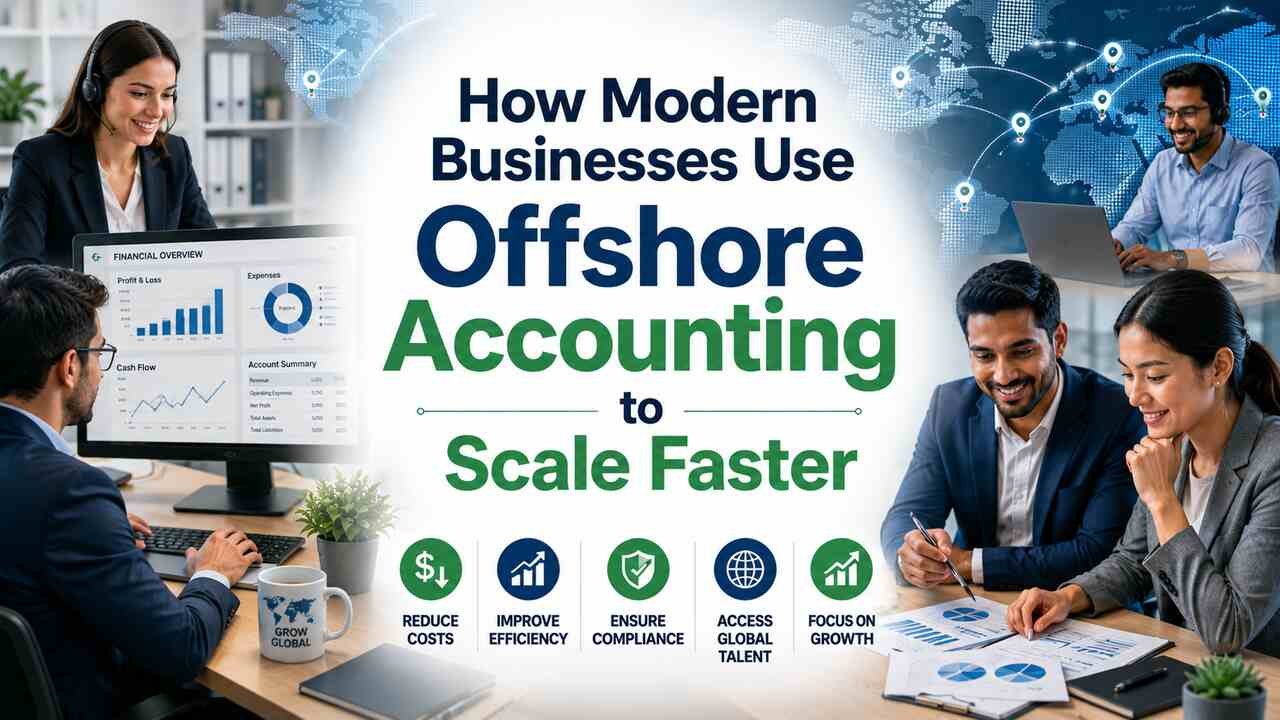
Scaling a company requires an intense focus on product development, customer acquisition, and market expansion. However, as revenue grows, so does the administrative burden behind the scenes. Many founders quickly realize that their internal financial operations cannot keep pace with their top-line growth. Manual data entry, complex tax preparation, and routine bookkeeping often become secondary priorities. To solve this dilemma, modern companies are increasingly looking beyond their domestic borders to build robust, scalable financial departments. In fact, market data shows that the global finance and accounting outsourcing market is expected to reach nearly $86 billion by 2031. This remarkable growth is driven largely by domestic talent shortages, the urgent need for operational cost reduction, and a shift toward digitised global workflows.
The Hidden Costs of Falling Behind on Bookkeeping
Trying to manage everything in-house often leads to severe backlogs, especially when leadership is heavily focused on outward-facing business goals. Founders who are scaling rapidly often discover that relying on delayed accounting practices can trigger serious operational bottlenecks, inaccurate cash flow insights, and significantly increased tax risks. When basic reconciliation takes weeks instead of days, the entire business suffers from a lack of financial clarity.
When ledgers are not updated in real time, business owners are forced to make critical financial decisions based on outdated or incomplete information. This lag stifles growth and can easily result in compliance penalties. Furthermore, overworking a small internal team to catch up on month-end close processes inevitably leads to burnout and a higher rate of manual data entry errors. To maintain momentum, expanding businesses need a proactive approach to financial management rather than a reactive one. Establishing a reliable reporting rhythm is the only way to ensure that leaders have the visibility they need to steer the company effectively.
Bridging the Gap with Specialised Offshore Hubs
To combat these bottlenecks, forward-thinking enterprises are shifting their back-office tasks to established international hubs. Southeast Asia has emerged as a premier destination for corporate services, offering a unique blend of highly educated talent and advanced digital infrastructure. The region produces thousands of qualified financial professionals every year, making it a logical choice for companies seeking top-tier expertise without the prohibitive costs of hiring locally.
For foreign companies expanding into the Asian market or simply looking to optimize their operations globally, securing expert accounting services in the Philippines provides an immediate competitive advantage. By working with local professionals in these hubs, businesses can seamlessly navigate complex local compliance laws, manage cross-border payroll efficiently, and ensure their books remain flawless. This allows growing companies to tap into a rich vein of certified public accountants who possess exceptional English proficiency and a deep understanding of international financial reporting standards.
Furthermore, these offshore teams are not just data processors. They act as strategic partners who can advise on local tax incentives, regulatory shifts, and corporate structuring. This level of insight is invaluable for Western businesses that are trying to establish a foothold in rapidly growing Asian markets, as it completely removes the guesswork from cross-border financial compliance.
Core Benefits of Transitioning to Global Finance Teams
The decision to offshore financial operations is rarely just about saving money on salaries. It is a highly strategic move designed to build a more resilient, agile, and modern organisation. By integrating offshore professionals into their daily workflows, companies unlock several distinct operational advantages:
- Scalability without the overhead: Expanding an internal finance department traditionally requires significant investments in recruitment, office space, hardware, and employee benefits. Offshore models allow companies to scale their accounting capacity up or down based on seasonal demands or rapid growth phases with minimal friction.
- Access to advanced financial technology: Top-tier outsourcing firms invest heavily in the latest cloud-based accounting software, artificial intelligence, and automation tools. Clients benefit from these technological upgrades automatically, ensuring their financial reporting is both highly secure and efficiently digitised.
- Enhanced compliance and reduced errors: Navigating international tax codes, local regulatory updates, and strict filing deadlines is incredibly complex. Relying on dedicated offshore specialists ensures that seasoned experts handle the paperwork, drastically reducing the margin for costly filing errors and regulatory fines.
- Focus on core competencies: By delegating routine bookkeeping, invoicing, and tax preparation to an external team, executive leadership can redirect their energy toward strategic initiatives that directly drive revenue, product innovation, and market share.
Making the Shift to Modern Financial Management
Transitioning to a distributed finance model does require careful planning and a commitment to modern management practices. It is crucial to establish clear communication channels, define key performance indicators early on, and ensure that your chosen offshore partner aligns perfectly with your company culture. Fortunately, cloud-based project management tools and secure financial portals make this transition smoother than ever before. Setting up regular video check-ins and shared digital workspaces can help bridge any geographical divides, ensuring the offshore team feels like a true extension of the core business. When executed correctly, modernising your financial infrastructure through offshore talent is one of the most effective ways to future-proof your business. It protects your organisation against economic volatility and domestic labour shortages while ensuring that your leadership team always has access to accurate, real-time financial data. Ultimately, treating offshore accounting as a strategic growth lever rather than a simple cost-cutting measure is what separates thriving modern businesses from the rest.
