

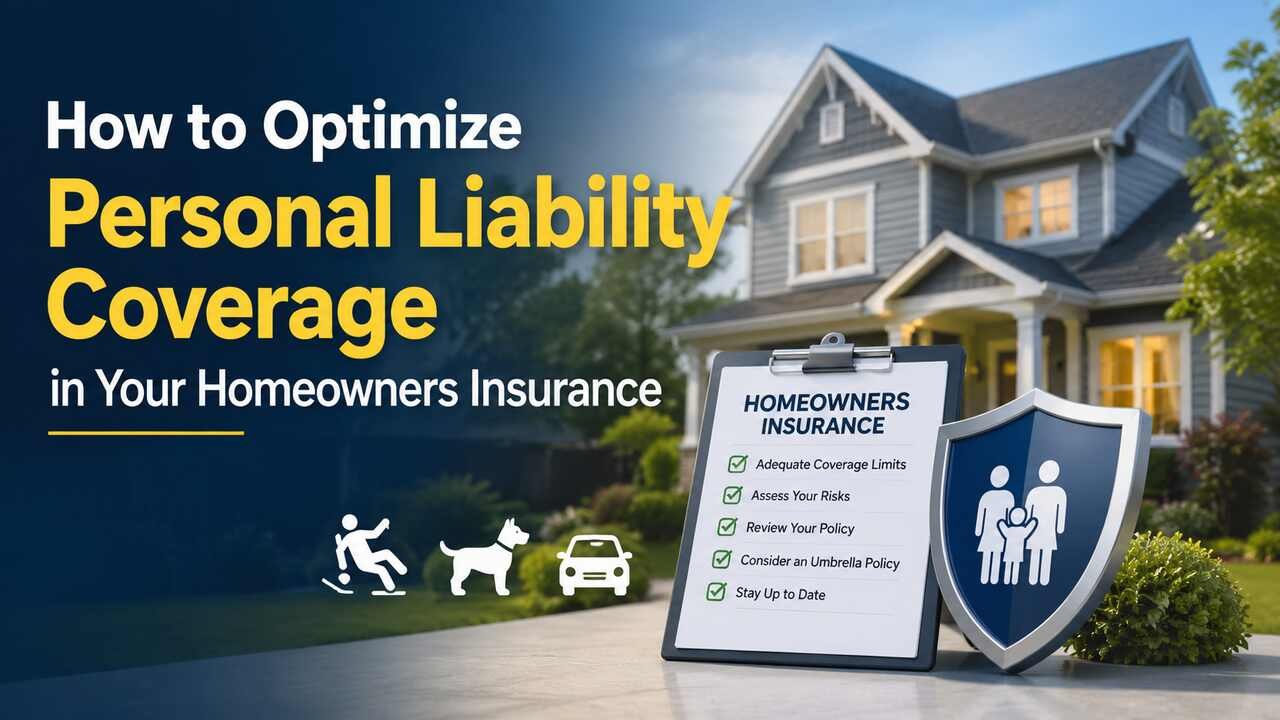
Personal liability coverage plays a vital role in homeowners’ insurance by providing financial security in case you are found responsible for injuries or property damage to others. Properly understanding and optimizing this aspect of your policy helps ensure the safety of your assets and the overall financial stability of your household. Exploring options like AARP personal liability coverage from The Hartford can greatly enhance your protection and peace of mind in today’s uncertain world.
This guide will help you understand what personal liability coverage offers, how to assess your needs, recognize common exclusions, and optimize your protection through practical steps and additional policies. By proactively approaching your coverage, you can better protect your home, family, and finances against unforeseen liabilities.
Understanding Personal Liability Coverage
Personal liability coverage is included in most standard homeowners insurance policies. It is designed to cover legal fees, medical expenses, and other costs if someone who is not part of your household is injured on your property or if you accidentally cause damage to another person’s property. This coverage not only covers the costs of lawsuits and out-of-court settlements, but also pays for the claimant’s medical bills stemming from covered accidents. Common scenarios covered by personal liability insurance include slip-and-fall accidents on your walkway, injuries caused by your pet, or damage you unintentionally cause to a neighbor’s property. Having adequate liability coverage ensures that a single accident does not jeopardize your financial future.

Assessing Your Coverage Needs
The right amount of personal liability coverage depends largely on your personal circumstances and the value of your assets. A helpful rule of thumb is to have liability limits that at least match your net worth. This includes the value of your property, savings, investments, and other assets at risk in a lawsuit. It is especially important if you have features on your property, such as a swimming pool or a trampoline, that could increase your likelihood of a claim.
If you are unsure how much coverage you need, start by listing your assets, then discuss the potential risks associated with your lifestyle or location with an insurance agent. Many experts recommend a minimum of $300,000 in personal liability coverage, but high-net-worth individuals should consider higher limits for increased protection.
Another factor to consider is your household’s activities and visitors. If you frequently entertain guests or have workers, such as landscapers, regularly on your property, your exposure to accidental injuries may be greater. Reviewing your overall risk profile with a qualified agent ensures that you are not underinsured and provides you with peace of mind, knowing that if an unfortunate accident does happen, you are financially protected from its consequences. Don’t forget to update your insurance documents when you add new features to your home.
Common Exclusions to Be Aware Of
Standard liability coverage is comprehensive, but there are notable exclusions to keep in mind. For example:
- Car accidents, since these fall under auto insurance policies.
- Deliberate actions or intentional harm caused by you or a household member.
- Injuries to members of your household are generally covered by your health insurance.
- Liabilities related to any business activities you conduct from your home.
Familiarizing yourself with exclusions helps you avoid coverage gaps.
Enhancing Coverage with Umbrella Insurance
If you have significant assets or face higher-than-average liability risk, consider enhancing your standard coverage with an umbrella insurance policy. Umbrella policies offer additional liability protection, typically in increments of $1 million, above standard homeowners’ liability limits. They serve as a financial safeguard against expensive lawsuits or claims that might otherwise exceed your existing protection.
Umbrella insurance is relatively affordable and is highly recommended for dog owners, pool owners, landlords, and individuals with high public profiles. According to Forbes’ guide on umbrella insurance, most insurers require you to have a certain base amount of liability coverage before you can purchase an umbrella policy.
Regular Policy Reviews and Updates
As your life evolves, so do your insurance needs. Major home renovations, the acquisition of new valuables, or changes in local liability laws can all affect your coverage requirements. Regularly reviewing your policy ensures you continue to have adequate protection and remain insulated from emerging risks. Most experts recommend reviewing your coverage annually or whenever you experience a significant change in circumstances.
If you’ve recently welcomed a new pet or have started renting out part of your property, these changes could potentially impact your risk exposure and coverage needs. Staying proactive by communicating life changes to your insurer enables appropriate adjustments and may even help identify opportunities to bundle policies or find discounts. Keeping documentation up to date makes claims processes smoother and reduces the likelihood of disputes with insurers in the event of a loss.
Implementing Safety Measures at Home
Reducing the chances of liability claims starts with making your property safer. Effective steps include:
- Installing sturdy handrails and adequate lighting on all stairs and walkways.
- Placing fences and self-locking gates around pools and spas.
- Maintaining your yard, walkways, and driveways to eliminate falling or tripping hazards.
These steps not only mitigate accidents but can also lead to reductions in insurance premiums. Many insurers offer discounts when you demonstrate commitment to home safety, directly benefiting both your financial and personal well-being.
In addition, adopting preventive measures such as installing security cameras, smoke detectors, and motion lights can not only reduce the incidence of accidents and trespassing but also give you greater control over your property. Even simple, routine maintenance, like clearing ice in winter or trimming tree branches, can prevent unfortunate incidents. The safer your environment, the less likely you are to need to file a liability claim, which may enhance your insurability and keep future premium increases at bay.
Consulting with Insurance Professionals
Insurance agents and financial advisors are invaluable resources when determining the ideal level of personal liability coverage for your unique needs. They can identify hidden risks, recommend appropriate limits, and help you understand all your policy options. Building a relationship with a knowledgeable advisor ensures you have up-to-date information on market trends, local regulations, and the latest ways to shield your assets.
Protecting your home and finances requires more than just buying a policy. It means taking a proactive stance to understand and optimize your personal liability coverage so you are prepared for whatever life brings.
Final Thoughts
Personal liability coverage is one of the most important safeguards built into a homeowner’s insurance policy, yet it is often overlooked until an unexpected incident occurs. Taking the time to understand your coverage limits, exclusions, and potential gaps helps ensure you are not left financially exposed in the event of an accident.
As your lifestyle changes, whether through home improvements, new assets, or increased visitor activity, your liability risks can shift significantly. Reviewing your policy regularly and considering enhancements, such as umbrella insurance, can strengthen your overall protection and reduce uncertainty.
Ultimately, a well-structured liability plan is not just about compliance or checking a box. It is about protecting your financial stability and giving you confidence that your home and assets are secure against the unpredictable nature of everyday life.
