


Missing or expired business licenses can expose U.S. businesses to legal penalties, operational shutdowns, reputational damage, and financial losses. This article explains common licensing mistakes, the risks they create, and practical steps business owners can take to maintain compliance and avoid costly disruptions.
Why Do Companies Get Shut Down for Missing Business Licenses?
Missing required business licenses often triggers immediate enforcement actions from federal, state, or local agencies. Governments use licenses to ensure companies follow regulations tied to safety, taxation, environmental rules, and more. When those licenses are missing, the business is seen as operating illegally.
I’ve personally spoken to small business owners who thought a general business license was enough, only to learn too late that they also needed specific permits related to their industry, location, or product. One example was a wellness spa in California shut down due to a missing massage establishment license, despite having general authorization to operate. The cost to reopen was triple what they would have spent securing the correct documentation initially.
Most of these shutdowns occur without warning. Government agencies often perform audits, undercover checks, or respond to customer complaints. Once a violation is detected, the business may receive a cease-and-desist letter or even be locked out of its premises. Worse yet, repeated offenses or unresolved licensing issues can lead to permanent business closure and legal charges.
Industry-Specific License Pitfalls
Businesses in regulated industries like healthcare, food service, transportation, or financial services are more vulnerable to shutdowns due to stricter compliance rules. A minor oversight in these fields is enough to jeopardize the entire operation.
Local Zoning and Permit Misalignment
Operating in a city or county with specific zoning laws requires additional licenses. Businesses that don’t align their licenses with local zoning requirements often find themselves in violation even if they have state-level clearance.
What Are the Most Common Types of Business Licenses That Get Overlooked?
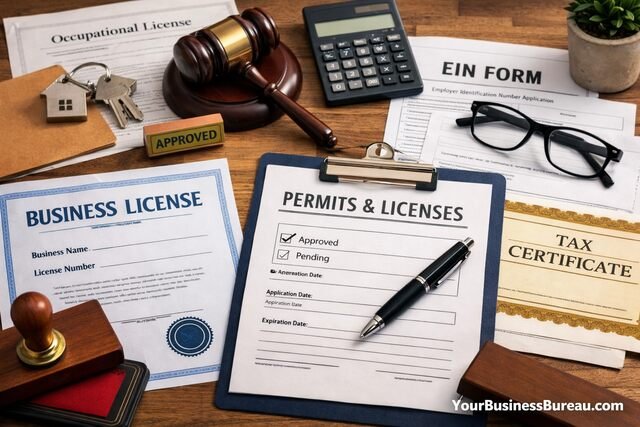
The most frequently missed licenses are often the ones owners assume they already have covered. These include state business operating licenses, local municipal permits, health department approvals, and professional certifications.
I once guided a tech startup founder who assumed an LLC filing meant their business was cleared for operation. They didn’t realize that the city required a separate home-based business license due to zoning regulations. A compliance audit led to a $5,000 fine and a temporary freeze on business activities. These situations are more common than people realize.
Commonly overlooked licenses often differ by industry, but certain types appear repeatedly across many sectors. For example, any business preparing or serving food will likely need health inspections and certifications. Retail stores may need sales tax licenses in every state they operate, which multiplies the risk of errors. Online businesses sometimes miss remote seller permits, triggering tax violations across multiple jurisdictions.
State vs. Local Licensing Gaps
Many companies believe that acquiring a state-level license is sufficient, but most local governments require their own specific permits. Overlooking this difference creates a dangerous compliance gap.
Occupational and Professional Licenses
Industries such as accounting, construction, cosmetology, and education often require staff or business-specific certifications. If even one professional’s license lapses, it can halt service delivery entirely.
How Can Missing Licenses Affect Daily Business Operations?
Missing business licenses impact everything from transaction processing to customer trust. I spoke to a retailer who was blocked from processing credit card payments after failing to renew their sales tax license, causing them to lose thousands in weekend sales.
Daily operations get disrupted immediately once compliance lapses are discovered. Employees may be forced to stop work, vendors may halt deliveries, and financial institutions can withhold funding. Insurance policies also become invalid if a business is operating without proper licenses, exposing the company to full liability for damages.
Even after resolving the license issue, restarting operations can take weeks. Rehiring staff, notifying customers, and regaining supplier trust can be more difficult than launching the business in the first place. A gap of even a few days damages long-term business viability, especially for high-traffic, customer-facing operations.
Payroll and Staffing Interruptions
If licenses tied to employment law or workplace safety are not maintained, businesses may be required to stop paying staff or shut down work areas, leading to wage delays and legal action from employees.
Vendor and Partner Restrictions
Many B2B contracts require proof of valid licensing. A missing document could prompt partners to pause collaboration or terminate agreements, leaving the company without essential services.
What Are the Legal Penalties for Operating Without Proper Licensing?
Legal penalties for operating without the correct licenses range from civil fines to criminal charges, depending on the jurisdiction and industry. I remember a small logistics company that was fined over $50,000 for operating in multiple counties without transportation permits; they ended up filing for bankruptcy.
Fines often scale based on duration of the violation and whether prior warnings were issued. Some local ordinances impose daily fines until the violation is resolved, while others suspend business licenses entirely. Certain industries, especially those handling food or medical care, may face criminal prosecution for noncompliance.
Beyond financial penalties, companies can also be barred from applying for future licenses, creating long-term barriers to operation. Business owners may also face personal liability in certain cases, especially when negligence is proven. Legal battles drain both time and capital, often leading to the collapse of the business even if penalties are eventually reduced.
Civil Fines and Daily Accruals
Jurisdictions may impose fines that accumulate daily. A license missing for 30 days could incur fines in the tens of thousands, particularly in industries with high risk to public health.
Criminal Charges and Liability
Businesses that violate licensing laws in healthcare, education, or legal sectors may trigger investigations that lead to misdemeanor or felony charges for owners or executives.
How Do Business Licenses Affect Investor and Customer Trust?

Trust breaks instantly when customers or investors learn that a business is operating outside legal boundaries. I recall a food delivery startup that lost a major funding round when investors discovered missing health permits in key cities, despite impressive revenue.
Licensing proves that a company meets regulatory standards, which is essential for building long-term credibility. Investors require proof of legal operation to reduce risk and ensure their capital is protected. Customers, especially in health-sensitive sectors like food or wellness, want reassurance that services meet official safety standards.
Losing that trust damages reputation and slows future growth. Competitors can even use a company’s noncompliance against them in marketing. Regaining investor confidence after such a lapse often requires a complete compliance audit, third-party validation, and time-consuming rebranding.
Negative Public Perception
Public shutdowns caused by licensing violations often appear in news or regulatory bulletins. These events tarnish a brand and can lead to boycotts or online backlash.
Investment Due Diligence Failure
Startups or growing businesses often undergo legal diligence during funding rounds. Missing licenses raise red flags and can lead to lost deals, reduced valuations, or cancelled investor contracts.
Which States and Industries Are Most Affected by Licensing Enforcement?
States like California, New York, and Florida have some of the most aggressive enforcement policies. High-regulation industries like construction, finance, education, or hospitality are also at greater risk. I’ve worked with entrepreneurs in Florida whose dream cafés closed within months because of delayed food handler certifications.
State-level departments coordinate with local governments to ensure every layer of compliance is followed. Businesses that operate across state lines face even more complexity, needing to secure licenses in every jurisdiction where they serve customers or employ workers.
Enforcement actions differ by locality but are generally more severe in urban areas with higher population density. Inspectors are more active, competition is higher, and public safety expectations are stricter. Businesses located in cities must navigate dozens of overlapping regulations that rural companies may never encounter.
High-Risk Industry Hotspots
Food trucks in California, salons in New York, and construction crews in Texas are routinely inspected. Missing even a single required license often leads to immediate shutdown in these high-visibility industries.
Multi-State Compliance Burdens
Businesses operating online or across state lines must navigate each state’s rules. Failure to register for required licenses in each state opens them to penalties from multiple governments at once.
How Can Business Owners Prevent Licensing-Related Shutdowns?
Preventing shutdowns requires proactive compliance management. I always advise entrepreneurs to create a licensing calendar that includes renewal dates, agency contacts, and specific documents. A missed date is all it takes to derail everything you’ve built.
Legal consultations at the launch of a business help identify hidden license requirements based on location, product type, and team size. Some companies also use third-party compliance services to track licensing across jurisdictions. Investing in such tools is far cheaper than paying fines or losing business days.
Ongoing training for internal teams ensures staff know what licenses exist and when updates are due. Document audits should occur quarterly, and companies should respond quickly to any government notice or inquiry. Treat every compliance task as vital to the core of the business, not as a box to check.
Compliance Software and Automation
Software tools can track licensing needs across states, industries, and agencies. Alerts notify owners when renewals are due, and dashboards help avoid blind spots in multi-location operations.
Staff Education and Compliance Audits
Regular training ensures employees understand license-related duties. Scheduled audits ensure licenses stay active and up to date, reducing risks of accidental noncompliance.
Business License Types and Their Risks
| License Type | Risk if Missing | Enforcement Agency |
| General Business License | Business shutdown or penalty | City or County Government |
| Health Department Certification | Closure for food/service violations | Local Health Department |
| Sales Tax Permit | Financial penalties, inability to sell | State Revenue Department |
| Zoning Permit | Illegal operation in restricted area | City Planning or Building Authority |
| Professional Certification | Suspension of services, legal action | State Licensing Boards |
Conclusion
Missing business licenses don’t just delay growth; they can destroy businesses entirely. I’ve witnessed determined founders lose everything because a simple license was overlooked. From my experience, no amount of revenue or innovation can compensate for foundational legal compliance. Whether you’re just starting or scaling across multiple states, treat licenses as critical assets. Don’t guess, don’t assume. Check every level city, state, and federal. Talk to professionals, automate renewals, and stay vigilant. Compliance isn’t an option; it’s survival.
If you want to explore how we help businesses grow from the ground up, you can visit yourbusinessbureau.com to see what we offer.
FAQ’s
Startups often miss local permits, home-based business approvals, and industry-specific certifications, assuming that federal EINs or LLC registrations are sufficient.
Yes, but the process involves paying fines, applying for new permits, and possibly undergoing inspections. The delay and reputational damage can last much longer than the closure itself.
Quarterly audits are recommended. Automated tools and checklists help track renewals and ensure all required permits remain active.
Yes, especially regarding sales tax, data privacy, and remote seller licenses. States require registration if sales occur to residents, even without a physical presence.
Absolutely. Licensing is a critical part of due diligence in funding rounds. Missing permits can lead to delayed or lost investments.
Costs range from $500 to over $100,000 depending on the duration, industry, and number of jurisdictions affected. Shut down days add lost revenue to the total impact.
