

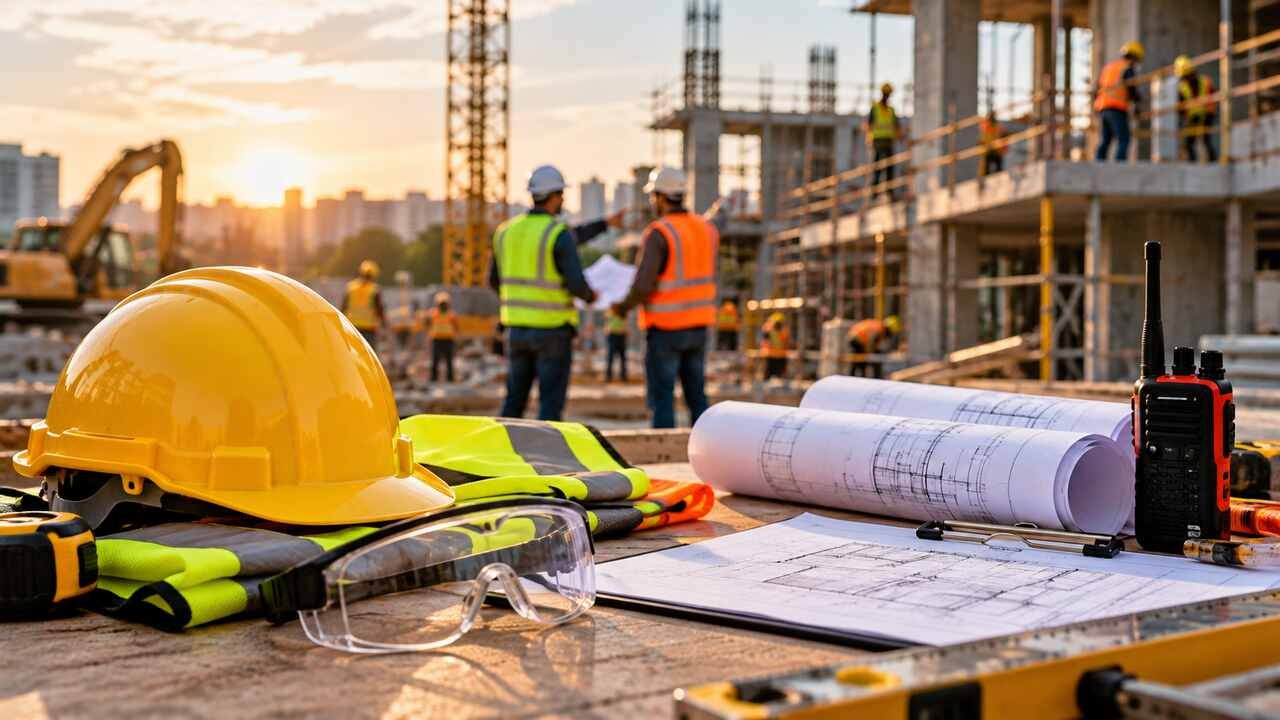
No construction project is totally risk-free, but how a site is planned and managed can make a big difference to how safely the work gets done. From moving vehicles and heavy materials to exposed edges and changing access routes, there are lots of hazards to think about, especially as the project goes on and different teams begin working alongside one another.
The good news is that improving safety does not always mean making major changes. A few practical adjustments to how you plan, organize, and review your site can help reduce risk while also making the project easier for everyone to navigate and manage.
Improve Safety Planning Before Work Begins
Good site safety is set up long before the first tools come out. Taking time to identify potential hazards during the planning stage allows you to build appropriate safety measures into the project instead of reacting to problems once work is already underway.
Think carefully about how people will move around the site, where materials will be stored, which areas will involve working at height, and whether different trades will be operating close to one another. Thinking about these issues early gives you more time to put sensible controls in place and can prevent unnecessary disruption later.
Make Working at Height a Priority
Falls are one of the most serious risks on construction sites, which means any project involving roofs, platforms, open edges, or elevated work areas need to be paid attention to.
Where possible, it makes sense to prioritize collective safety measures that protect everyone working in an area rather than relying solely on individual protective equipment. Installing reliable edge protection from simplifiedsafety.co.uk, for example, can create a physical barrier around exposed edges and help reduce the risk of accidental falls.
Create Clear Routes Around the Site
A busy construction site can quickly become difficult to navigate if materials, equipment, and waste begin to build up. Having well-defined walkways and access routes makes it easier to keep pedestrians away from vehicles, machinery, and potentially hazardous working areas.
It is just as important to keep those routes clear throughout the project. Regular housekeeping, including removing debris and storing tools correctly, can go a long way toward reducing slips, trips, and other avoidable accidents.
Improve Communication Between Teams
Construction projects often involve several contractors and specialist teams working alongside one another, and poor communication between them can easily create unnecessary risks.
Regular site briefings help everyone stay informed about which areas are active, what work is planned, and whether any new hazards have appeared. Workers should also feel comfortable raising concerns as soon as they notice them, rather than assuming someone else will deal with the problem.
Review Safety as the Project Changes
A safety plan should develop alongside the project. As construction progresses, access routes may change, temporary structures may be removed, new equipment may arrive, and previously safe areas can become more hazardous.
Scheduling regular site reviews gives you the opportunity to spot these changes early and adjust your safety measures before they become a problem. Ultimately, creating a safer construction site is often about staying one step ahead. With thoughtful planning, clear communication, well-managed access routes, effective edge protection, and regular reviews, you can create a working environment that is safer, more organized, and better prepared for every stage of the project.
