

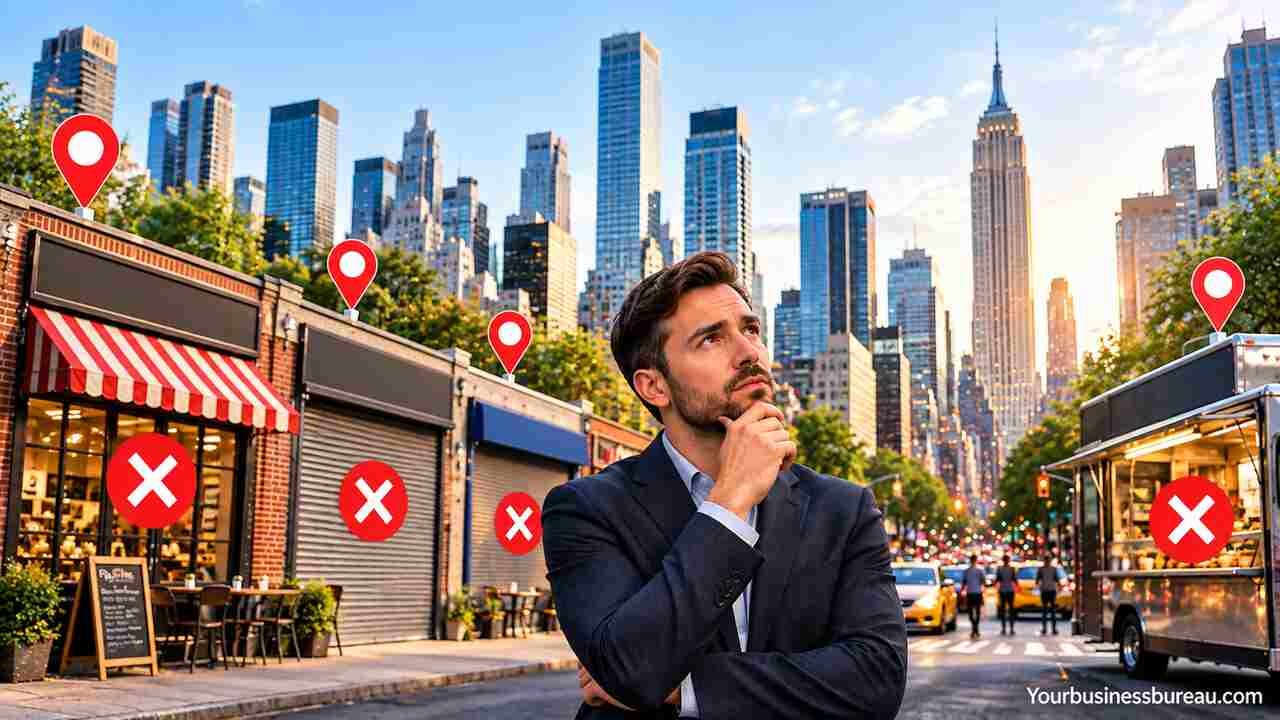
location-based businesses can struggle in major U.S. cities despite succeeding in smaller towns or suburbs. High operating costs, logistical difficulties, dense competition, shifting consumer preferences, and neighborhood-specific behavior can make traditional location-dependent business models less sustainable in urban markets.
What Causes Traditional Location-Based Businesses to Fail in Urban Areas?
Many traditional neighborhood business concepts collapse in major cities due to cost pressure, competitive saturation, and cultural shifts. Higher rent, licensing costs, and operational challenges often wipe out profit margins that would be acceptable in smaller locales.
From my experience consulting with small business owners in cities like New York and Los Angeles, I’ve noticed that traditional retail shops, pet grooming salons, or coffee kiosks often enter saturated zones. By the time they open, they face ten similar competitors within a few blocks, each fighting for the same narrow audience. Without hyper-local brand awareness or a differentiated service, survival becomes a month-to-month struggle.
Consumer behavior in cities also evolves faster. Residents in dense metro areas value convenience and digital access over in-person services. Many location-based models rely on walk-in customers, but urban dwellers increasingly turn to delivery apps and subscription-based services instead of visiting nearby businesses.
Skyrocketing Real Estate Prices
Urban real estate prices are incompatible with low-margin physical businesses. A commercial storefront in Manhattan or San Francisco can cost tens of thousands per month, leaving little room for early-stage growth or experimentation. I’ve seen entrepreneurs underestimate how fast costs stack up even before customers walk through the door.
Foot Traffic Is Not a Guarantee
Foot traffic in major cities is segmented by time, season, and neighborhood type. A seemingly busy street during weekends might stay empty during weekdays. Businesses banking on footfall without in-depth local research often overestimate demand. I’ve personally talked to café owners in Brooklyn who closed after six months because weekend surges didn’t offset quiet weekdays.
Why Local Delivery Models Struggle in Metro Markets
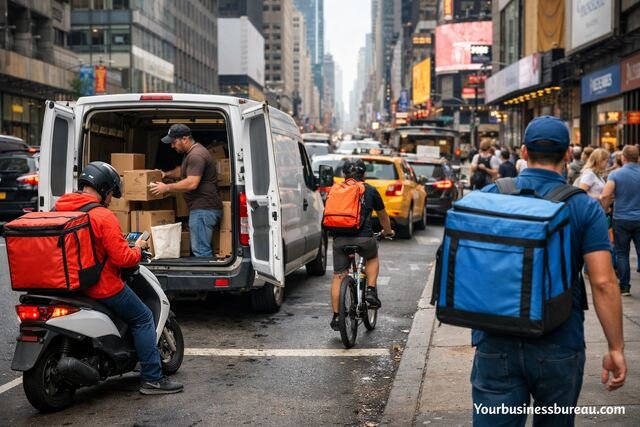
Local delivery services such as food, flowers, or same-day retail logistics often fail in big cities because of infrastructure inefficiencies, traffic congestion, and platform dependency. In theory, these ideas sound perfect for urban convenience. In reality, execution costs outweigh gains.
Even though the population density is higher, the costs of labor, warehousing, and last-mile delivery become bottlenecks. After interviewing multiple urban delivery startup founders, I learned how they had to shut down not because of demand, but because each delivery incurred losses after accounting for driver pay, delays, and fuel costs.
Another hidden problem lies in algorithmic control. Many businesses in major US cities rely on third-party platforms like Uber Eats or DoorDash. These platforms take significant commissions and hold the user data. I’ve seen delivery brands completely disappear from the customer’s mind once they stop paying for top placement on these apps.
Traffic and Congestion Wipe Out Efficiency
Navigating through traffic-heavy areas such as downtown LA or Midtown Manhattan increases delivery times and cost-per-order. A delay of even 10 minutes can mean the difference between profit and loss, especially when running tight schedules and multiple drop-offs.
Third-Party Platforms Take Control
Many urban businesses tie themselves to apps like Grubhub or Instacart. However, when customers order through those apps, loyalty shifts from the business to the app. Businesses lose control over branding, pricing, and even customer service outcomes. I’ve heard countless frustrations from urban business owners who were penalized for delivery errors they didn’t even commit.
Are Niche Fitness Studios Still Sustainable in Large Cities?
Boutique fitness studios targeting yoga, pilates, or spin often face a quick boom followed by rapid burnout. In major cities, they enter highly competitive ecosystems, where novelty expires fast, and customer loyalty rarely holds. Founders expect high urban demand, but don’t prepare for churn.
Many of my colleagues opened niche fitness locations thinking local communities would support them. What they found was that customers often jump from studio to studio based on trends or deals. Retention was the real killer. They had packed classes for a month, then empty rooms the next.
Pricing competition also becomes unsustainable. As new studios emerge, each tries to outdo the others with discounts, which erode margins. Combined with high rent and instructor fees, many studios barely break even. Location-based fitness stops being a scalable model and becomes a hustle to stay alive.
Trendy But Temporary Appeal
Fads move quickly in urban health circles. From barre to reformer pilates, what’s hot today often fades next quarter. A friend of mine ran a boxing-themed studio that exploded with popularity, only to lose 60% of members when a new HIIT brand opened nearby.
Operational Costs Kill Long-Term Profitability
Fitness equipment, insurance, staff payroll, and cleaning requirements all rise in major cities. Add on unpredictable lease renewals or neighborhood gentrification, and you’ve got a model where longevity is fragile. Even profitable months don’t guarantee long-term viability.
How Do Pop-Up Stores and Mobile Shops Perform in Big Cities?
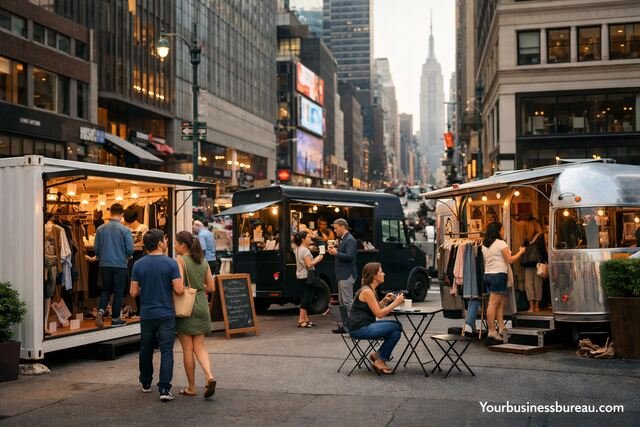
Pop-up concepts and mobile retail vans might seem like smart urban solutions, but many falter after the initial novelty fades. Cities are full of events and shopping experiences, standing out in that crowd requires relentless innovation and marketing capital.
When I tested a mobile retail cart in downtown Chicago, the first few weeks looked promising. Passersby were curious, social media reactions were great. But then footfall normalized, repeat customers didn’t return, and temporary permits became bureaucratic nightmares.
Running a mobile or short-term store also demands constant movement, legal approvals, and unpredictable daily results. Weather, street closures, and police checks add layers of chaos that small teams can’t handle at scale.
Burnout From Constant Setup and Relocation
Every new day means a new setup, teardown, and logistics plan. The excitement of mobility quickly turns into fatigue. I’ve spoken to entrepreneurs who gave up within three months due to burnout and declining sales.
Hard to Build Customer Relationships
Short-term visibility makes it difficult to build a base of loyal, returning customers. Urban shoppers often forget mobile vendors after one interaction. Without consistent branding and location, repeat business becomes almost impossible.
What Happens to Local Food Concepts in Highly Diverse Neighborhoods?
Single-theme food concepts like regional BBQ joints or ethnic-specific cafes often face challenges adapting to multicultural urban tastes. In neighborhoods where culinary diversity is expected, hyper-focused menus may alienate potential customers rather than attract them.
A restaurateur friend opened a Kansas City BBQ spot in Queens. While locals praised the authenticity, the narrow menu didn’t appeal to the broader audience. High costs and limited appeal forced him to pivot toward fusion items and eventually rebrand the entire concept.
Urban diners want both authenticity and variety. Concepts that can’t adapt become one-time destinations rather than community staples. That inconsistency translates to unpredictable cash flow and poor customer retention.
Single-Cuisine Focus Reduces Repeat Business
Even fans of a specific cuisine might not return weekly. Narrow menus reduce frequency of visits. Urbanites tend to rotate across food types, and businesses that lack range struggle to stay on their radar.
Menu Adaptability Becomes Essential
Restaurants in major cities must constantly adapt menus to new dietary trends, vegan, gluten-free, low-carb, locally-sourced. Businesses unwilling to make changes often get labeled as outdated. I’ve seen otherwise strong food brands fall behind simply because they didn’t adjust fast enough.
Do Local Event Spaces Work in Urban Neighborhoods?
Privately-owned event spaces for baby showers, birthdays, or networking events face stiff competition from established hotels, coworking venues, and public halls. Although there’s demand, standing out becomes difficult without a niche or built-in community base.
I toured several event venues in San Diego that had great design and amenities, but owners struggled to fill calendars. In big cities, people prioritize convenience, parking, and tech features. Without seamless booking systems and a clear differentiation strategy, bookings remain sporadic.
Marketing is another obstacle. Google search placement is flooded with top-spending corporate venues. Independent event spaces often lack the SEO power or budget to compete, which keeps them invisible to ideal customers.
Corporate Competition Dominates SEO and Ads
Big chains and coworking giants invest heavily in digital marketing. Independent venues often get buried in search results or rely only on word of mouth. A strong location doesn’t guarantee discovery without marketing firepower.
Location Is Not Enough Without Service Add-ons
City users expect more than just a space. They want packages that include lighting, sound, catering, parking, and setup. Event spaces that offer only a room lose out to all-in-one venues. I’ve seen promising venues fail simply for not bundling services.
Why Do Local Subscription Services Lose Momentum in Urban Areas?
Subscription models tied to local goods or services, like curated gift boxes, coffee bean deliveries, or cleaning services, often struggle in large cities due to churn, digital fatigue, and logistical issues. While attractive upfront, they lose novelty fast in crowded markets.
In my experience advising urban startups, the challenge lies in long-term engagement. Customers sign up out of curiosity, but rarely stay more than three months unless the value and experience evolve consistently. One coffee subscription service I worked with had 500 signups on launch but dropped to 70 after six months.
Managing inventory, route planning, and customer support across different zip codes turns into a costly and inefficient backend operation. Unless automated, small subscription services cannot scale while maintaining quality.
Short Customer Attention Span
Urban dwellers are constantly bombarded with subscription offers. Maintaining attention requires regular updates, loyalty rewards, and personalized experiences. Many founders underestimate how hard it is to keep city customers excited month after month.
Last-Mile Logistics Become a Bottleneck
Delivering goods within dense cities requires a reliable system. Delays, missed deliveries, or inconsistent quality create bad experiences. For one laundry pickup service I helped consult, delays caused cancellations and refund requests that eventually shut them down.
Conclusion
Location-based businesses often stumble in major US cities because the conditions that made them viable elsewhere do not scale up to urban complexity. High costs, aggressive competition, rapidly shifting consumer preferences, and operational inefficiencies chip away at even the most promising concepts. Whether it’s a pop-up, a boutique studio, or a curated subscription, the idea must evolve for the urban context. Speaking from both personal experience and insights shared with dozens of entrepreneurs, adaptability, data, and digital integration are no longer optional. They are required for survival in city-based commerce.
If you want to explore how we help businesses grow from the ground up, you can visit yourbusinessbureau.com to see what we offer.
FAQ’s
A location-based business idea depends on a physical presence and local consumer traffic to succeed, such as cafes, salons, gyms, or delivery services operating within specific neighborhoods.
They often fail due to high rents, oversaturation, intense competition, and logistical inefficiencies that reduce margins and increase stress on daily operations.
Yes, but only if the business adapts to local demand, integrates technology, and differentiates clearly. Success in urban environments demands data-driven decisions and flexible strategies.
Low-margin services like traditional retail, niche gyms, food trucks, and event spaces without a digital backbone or flexible model often face early failure.
Not necessarily, but they must plan with urban-specific insights. Blindly copying suburban models or relying on foot traffic can lead to disappointment. Urban markets reward speed, convenience, and digital presence.
