









Highlights
- A car detailing business card acts as a first physical touchpoint between a service provider and a potential customer, and that interaction directly shapes trust, recall, and future contact decisions.
- A clean, minimal design with strong contrast and readable typography increases the chances that a customer keeps the card instead of discarding it after a single glance.
- A clear value proposition such as mobile service or quick turnaround attracts attention immediately and helps the customer understand why the service stands out in a competitive market.
- High-quality materials like thick cardstock and matte finishes create a premium feel, and that premium feel often translates into higher perceived service quality.
- A strong call to action such as a discount or referral offer encourages immediate engagement and turns a passive card into an active lead-generation tool.
- Consistent branding across cards, vehicles, uniforms, and online platforms builds recognition, and recognition strengthens long-term customer relationships.
- Avoiding clutter and focusing on essential information improves clarity, and clarity increases the likelihood of a customer reaching out.
Car detailing business cards represent more than simple contact tools because each card works as a portable brand identity that reflects service quality, professionalism, and attention to detail. A potential customer often forms a lasting impression within seconds, and a well-crafted card strengthens that perception by combining design, clarity, and value communication. A strategic approach to business card creation allows a detailing professional to stand out in a competitive local market, increase customer recall, and encourage direct engagement. I have personally seen how a thoughtfully designed card can turn a one-time client into a long-term customer, especially when the message feels clear, relevant, and easy to act on.
Why Are Car Detailing Business Cards Important for Business Growth?
Car detailing business cards function as a compact marketing asset that represents service quality, brand identity, and professionalism in a single glance. A potential customer often judges credibility based on first impressions, and a thoughtfully designed card establishes that trust instantly.
A strong business card also supports offline marketing in ways digital ads cannot replicate. Handing a card after a detailing job creates a personal connection, which improves the chances of repeat business and referrals. Physical interaction strengthens memory retention, making customers more likely to contact the service later.
From my experience, handing over a clean, premium-feel card right after finishing a spotless car creates a powerful moment. Clients associate the quality of the detailing work with the quality of the card, and that connection often leads to repeat calls and word-of-mouth referrals.
How Do Business Cards Improve Customer Recall?
Customer recall improves when visual elements, colors, and textures align with the brand identity. A glossy finish combined with bold typography helps the card stand out among others in a wallet or dashboard.
How Do Business Cards Build Trust in Local Markets?
Trust builds when a card includes clear contact details, a professional logo, and a structured layout. Local customers often prefer tangible proof of legitimacy, which a well-designed card provides effectively.
What Should Be Included in Car Detailing Business Cards?
Car detailing business cards must include essential contact and branding elements to ensure clarity and usability. Key information includes business name, phone number, services offered, and location coverage.
Additional elements such as a logo, tagline, and social media handles increase credibility and visibility. Including a short list of services like interior cleaning, ceramic coating, or paint correction helps customers quickly understand the offerings.
In my own journey, I realized that adding a simple line like “Mobile Detailing at Your Doorstep” instantly increased inquiries. People respond faster when the value proposition appears clearly on the card without confusion.
Why Is Contact Information Placement Important?
Contact information must be easy to locate, preferably centered or aligned clearly. Poor placement creates confusion and reduces the likelihood of follow-up calls.
Should Services Be Listed on the Card?
Listing services helps customers understand offerings instantly. A concise list prevents overcrowding while still communicating value.
How Does Design Influence the Effectiveness of Business Cards?

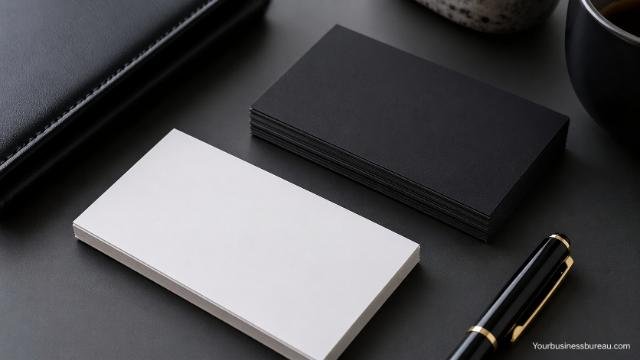
Design determines how a card is perceived within seconds. Color schemes, typography, and layout all contribute to the visual hierarchy and overall appeal.
A clean and modern design reflects professionalism, while cluttered layouts create confusion. High-quality images or subtle automotive textures can reinforce the detailing theme without overwhelming the viewer.
From what I have seen, minimalistic designs often perform better. When I switched from a crowded layout to a clean, bold design, more customers commented on how “premium” the brand felt.
What Colors Work Best for Car Detailing Cards?
Black, silver, blue, and red often work well because they reflect automotive aesthetics. Contrast between background and text improves readability.
How Does Typography Impact Readability?
Typography affects clarity and professionalism. Bold fonts for headings and simple fonts for details ensure easy reading.
What Printing Materials and Finishes Work Best?
Material quality directly influences perception. Thick cardstock, matte finishes, and glossy coatings create a premium feel that reflects service quality.
Special finishes such as embossing, foil stamping, or spot UV coating add a tactile experience that makes the card memorable. Durable materials also ensure the card remains intact longer, increasing exposure.
I remember upgrading to thicker cards with a matte finish, and clients immediately noticed the difference. Some even kept the card in their car instead of throwing it away, which increased repeat business.
Should You Choose Matte or Glossy Finish?
Matte finishes provide a smooth, modern look, while glossy finishes enhance colors and shine. The choice depends on brand identity.
Are Premium Materials Worth the Cost?
Premium materials increase perceived value and customer trust. The investment often results in higher conversion rates.
How Can Business Cards Generate More Leads?
Business cards generate leads when designed with a clear call to action and strategic messaging. Including offers like discounts or referral bonuses encourages immediate engagement.
Adding QR codes that link to booking pages or social profiles enhances functionality. A card becomes more than contact information when it drives direct action.
In my experience, adding a simple “Call Now for 10% Off First Service” significantly increased response rates. Customers appreciate incentives, especially when clearly visible.
What Role Does a Call to Action Play?
A call to action guides the customer toward the next step. Without direction, many potential leads may not follow through.
Should You Include QR Codes?
QR codes provide quick access to online platforms. They bridge the gap between offline and digital marketing.
How Do Business Cards Support Branding Strategy?
Branding becomes consistent when business cards align with logos, uniforms, and vehicle wraps. Consistency strengthens recognition and builds a professional image.
A cohesive design across all marketing materials creates a unified brand identity. Customers are more likely to trust a business that appears organized and consistent.
I always tell people that your card should feel like an extension of your service. When everything matches, from your van to your card, clients take your business more seriously.
Why Is Brand Consistency Important?
Consistency reinforces recognition and builds trust. Customers remember brands that maintain a uniform appearance.
How Do Business Cards Reflect Brand Personality?
Design elements such as colors and fonts communicate style. A sleek design suggests professionalism, while bold colors suggest energy.
What Are Common Mistakes to Avoid?
Common mistakes reduce the effectiveness of business cards and limit their impact. Overcrowding, poor font choices, and low-quality printing can harm brand perception.
Ignoring readability or using outdated designs can make a business appear unprofessional. Lack of a clear message also confuses potential customers.
I made the mistake of adding too much information early on, and people rarely read the card. Simplifying the design improved engagement almost instantly.
Why Is Overcrowding a Problem?
Too much information overwhelms the viewer and reduces clarity. Simplicity improves understanding.
How Does Poor Print Quality Affect Perception?
Low-quality printing creates a negative impression. Customers may associate poor quality with service standards.
Essential Elements of Car Detailing Business Cards
| Element | Purpose | Impact on Customer |
| Business Name | Brand identification | Improves recall |
| Contact Number | Direct communication | Increases inquiries |
| Services List | Quick understanding | Boosts conversions |
| Logo | Visual identity | Builds trust |
| Call to Action | Encourages response | Drives engagement |
Comparison of Card Finishes
| Finish Type | Appearance | Durability | Best Use Case |
| Matte | Smooth, subtle | High | Premium branding |
| Glossy | Shiny, vibrant | Medium | Color-rich designs |
| Embossed | Raised texture | High | Luxury impression |
| Spot UV | Highlight effect | Medium | Modern, stylish branding |
Conclusion
Car detailing business cards serve as a powerful offline marketing tool that enhances brand visibility, builds trust, and generates leads. A well-designed card communicates professionalism, reinforces brand identity, and encourages customer action. Strategic design, quality materials, and clear messaging ensure maximum impact and long-term business growth.
If you want to explore how we help businesses grow from the ground up, you can visit yourbusinessbureau.com to see what we offer.
FAQ’s
Standard size of 3.5 x 2 inches works best because customers are familiar with the format and can easily store the card.
Printing at least 500 to 1000 cards ensures consistent availability for marketing and customer interaction.
Digital cards provide convenience, but physical cards create stronger personal connections and better recall.
Updating cards every 1 to 2 years ensures relevance, especially when services or contact details change.
Double-sided cards provide more space for information and design, making them more effective for marketing.


