






Trainline Business helps companies manage corporate rail travel through digital booking tools, centralized payments, and travel reporting features. It simplifies employee journeys, improves expense control, supports travel policy compliance, and helps organizations adopt efficient and sustainable transportation solutions.
Create a Trainline Business Account for Corporate Rail Management

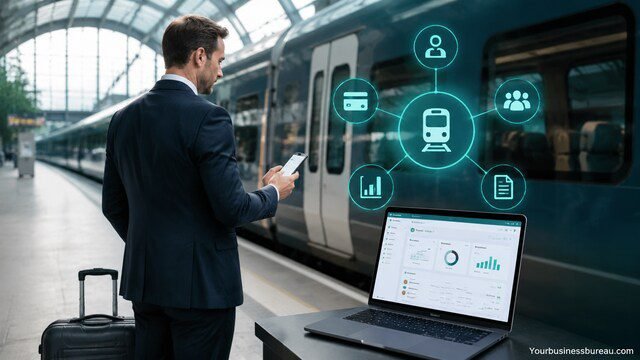
Companies can create a Trainline Business account to access professional rail booking services designed specifically for workplace travel. The platform allows organizations to manage employee journeys, organize traveler profiles, apply company policies, and monitor business transportation spending from one central system.
The account setup process typically requires company information, authorized users, payment details, and travel management preferences. Businesses can configure employee access levels, define booking permissions, and connect payment methods that match internal finance procedures. Larger organizations may also integrate travel management systems to maintain consistency across corporate mobility operations.
Trainline Business supports different company sizes, from small teams requiring simple booking control to larger enterprises needing structured travel administration. Organizations can use the platform to replace manual ticket purchasing processes, reduce reimbursement delays, and provide employees with a convenient way to arrange rail journeys.
| Trainline Business Feature | Business Benefit |
| Centralized booking platform | Allows employees to manage rail trips in one location |
| Company travel profiles | Creates consistent booking information |
| Digital ticket management | Reduces paperwork and manual processes |
| Travel reporting tools | Improves expense visibility |
A corporate account also improves communication between employees and travel administrators. When travel information is stored digitally, companies can review journey details, analyze spending patterns, and make better decisions about future transportation strategies.
Configure Employee Travel Profiles and Permissions
Organizations can configure employee profiles to ensure every traveler has appropriate access to Trainline Business features. A well-structured profile system allows companies to control who can book travel, who can approve requests, and how travel expenses are managed.
Employee profiles usually include traveler names, contact details, preferred routes, payment preferences, and company-specific requirements. Administrators can assign different permissions based on employee roles, such as standard traveler access, manager approval authority, or full administrative control.
Profile management becomes increasingly important for companies with multiple departments or locations. Sales teams, executives, consultants, and remote employees may have different travel requirements, so customized settings help maintain efficient booking processes while following company policies.
The main traveler management elements include:
| Profile Element | Purpose |
| Traveler information | Ensures accurate ticket details |
| Approval settings | Controls authorization processes |
| Department allocation | Tracks travel spending by team |
| Payment assignment | Links journeys to business accounts |
A properly configured employee system reduces booking errors and creates a smoother travel experience. It also helps finance departments maintain accurate records because each journey connects directly with the appropriate employee and business purpose.
Book Rail Tickets Through the Trainline Business Platform
Companies can book rail tickets through Trainline Business using a digital interface that combines multiple rail operators and travel options. Employees can search routes, compare schedules, select suitable fares, and receive digital tickets without using separate railway websites.
The booking process generally involves entering journey details, selecting departure and arrival locations, comparing available services, and choosing a ticket type. Travelers can evaluate flexible fares, advance tickets, business-class options, and refund conditions before completing a purchase.
Trainline Business supports corporate travelers who need reliable access to rail networks across different regions. The platform connects users with various rail providers, helping organizations simplify transportation planning when employees frequently travel between cities or countries.
Important booking considerations include:
- Travel dates and departure times
- Flexible versus fixed ticket options
- Refund and exchange conditions
- Passenger preferences
- Company travel policy requirements
Digital booking improves employee productivity because travelers spend less time arranging transportation. Instead of managing separate accounts across different railway providers, employees can access available options through a single business-focused system.
Apply Corporate Travel Policies Through Booking Controls
Businesses can apply internal travel policies through Trainline Business booking controls to maintain financial discipline and ensure consistent travel decisions. These controls help companies encourage approved routes, preferred ticket types, and cost-effective transportation choices.
Travel policies often define spending limits, advance booking requirements, approval procedures, and acceptable travel classes. Administrators can communicate these expectations through booking settings and company guidelines, allowing employees to make decisions that align with organizational objectives.
Corporate travel policies commonly include:
| Policy Area | Example Control |
| Ticket class | Restrict premium options unless approved |
| Budget limits | Encourage cost-efficient bookings |
| Approval process | Require manager authorization |
| Route preferences | Promote preferred rail connections |
Policy management does not only reduce unnecessary expenses. It also improves transparency because employees understand expectations before purchasing tickets. Companies gain stronger oversight while travelers maintain access to convenient booking options.
Manage Business Travel Payments and Expenses
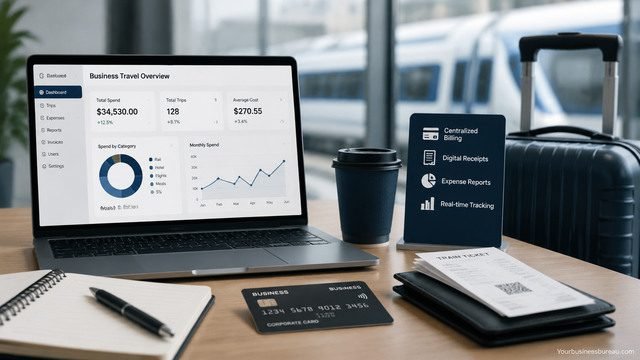
Organizations can manage rail travel payments and expenses by using centralized billing methods and digital records available through Trainline Business. This approach reduces manual expense claims and allows finance teams to track transportation costs more effectively.
Corporate payment management may include company cards, centralized invoicing, or expense reporting connections. When travel purchases are linked directly to business accounts, employees spend less time collecting receipts and submitting reimbursement requests.
Expense management involves several important areas:
- Payment authorization
- Invoice organization
- Cost allocation
- Financial reporting
- Expense reconciliation
A structured payment process benefits both employees and finance teams. Employees experience faster booking completion, while accounting departments receive clearer information about transportation spending and business travel patterns.
Trainline Business can support organizations that need better control over recurring rail expenses. Companies with frequent employee journeys can analyze spending behavior and identify opportunities to improve travel efficiency.
Track Corporate Rail Travel Data and Reports
Businesses can track corporate rail travel data to understand employee mobility patterns and improve transportation planning. Reporting tools provide insights into journey frequency, travel costs, booking behavior, and overall rail usage.
Travel reports help organizations evaluate important business questions, such as which routes generate the highest expenses or which departments require frequent transportation support. These insights allow companies to adjust policies and negotiate better travel strategies.
Common reporting areas include:
| Report Category | Information Provided |
| Travel spending | Total rail expenses over time |
| Employee journeys | Individual or department travel activity |
| Route analysis | Frequently used destinations |
| Booking behavior | Advance purchase and ticket choices |
Data analysis also supports sustainability goals. Many companies track rail travel because trains often produce lower environmental impacts compared with short-distance flights or individual car journeys. Understanding travel patterns helps organizations measure progress toward greener mobility strategies.
Integrate Trainline Business With Corporate Travel Systems
Companies can integrate Trainline Business with existing corporate travel systems to create a connected travel management environment. Integration allows organizations to synchronize booking information, financial records, and employee data across different business platforms.
Corporate travel ecosystems often include expense management software, human resources systems, accounting platforms, and travel approval tools. Connecting these systems reduces duplicate data entry and improves information accuracy.
Common integration areas include:
- Employee directory synchronization
- Expense reporting connections
- Accounting data transfers
- Travel approval workflows
Integration is especially valuable for larger organizations managing hundreds or thousands of employee journeys. Automated information exchange creates operational efficiency and allows travel managers to focus on improving policies rather than handling repetitive administrative tasks.
Improve Sustainability Through Corporate Rail Travel
Companies can improve sustainability efforts by encouraging employees to choose rail transportation for business journeys. Trainline Business supports organizations that want greater visibility into rail usage and more efficient travel planning.
Rail travel is often considered an important component of corporate sustainability strategies because trains can provide an alternative to higher-emission transportation methods. Businesses can promote responsible travel choices by making rail booking easier and more accessible.
Sustainable corporate travel strategies may include:
- Prioritizing rail routes over short flights
- Monitoring transportation emissions
- Encouraging advance planning
- Reviewing travel policies regularly
Sustainability benefits extend beyond environmental goals. Efficient rail travel can also improve employee experience because train journeys often provide productive working environments, reliable schedules, and convenient city-center connections.
Compare Trainline Business With Traditional Travel Booking Methods
Trainline Business differs from traditional travel booking methods by combining rail search, digital ticket management, and corporate administration features in one platform. Companies using separate railway websites or manual processes often face additional complexity.
| Feature | Trainline Business Approach | Traditional Booking Approach |
| Ticket management | Centralized digital access | Multiple provider accounts |
| Expense tracking | Business reporting options | Manual record collection |
| Employee control | Profile-based permissions | Limited visibility |
| Travel analysis | Structured reporting | Difficult data collection |
Traditional booking methods may work for occasional travelers, but organizations with regular employee journeys often require stronger management tools. A dedicated business travel platform provides better control, visibility, and consistency.
Optimize Employee Travel Experience With Digital Rail Solutions
Companies can optimize employee travel experiences by providing simple digital tools that reduce unnecessary booking steps. Trainline Business helps travelers access rail options quickly while maintaining company requirements.
A positive corporate travel experience depends on convenience, reliability, and clear processes. Employees benefit when ticket access, journey information, and travel documentation are available digitally throughout the travel lifecycle.
Improved travel experiences can lead to:
- Faster booking decisions
- Reduced administrative tasks
- Better employee satisfaction
- More consistent company travel practices
Modern businesses increasingly view travel management as part of employee productivity. A smoother booking process allows workers to focus on business objectives rather than transportation logistics.
Conclusion
Trainline Business provides organizations with a practical solution for managing corporate rail travel through digital booking, employee management, payment control, reporting, and policy support. Companies can use the platform to simplify transportation processes, improve financial visibility, and create more efficient employee travel experiences.
By centralizing rail bookings and connecting travel activity with business systems, Trainline Business helps organizations manage modern mobility requirements. Whether supporting a small team or a large enterprise, effective corporate rail management can reduce administrative effort, control expenses, and support sustainable business travel strategies.
FAQ’s
Trainline Business is used by companies to manage employee rail travel through centralized booking tools, digital tickets, payment management, and travel reporting features.
Yes, Trainline Business can support small businesses that need easier management of employee train bookings, expenses, and travel information.
Yes, Trainline Business supports digital ticket access, allowing travelers to manage rail tickets electronically instead of relying on printed documents.
Yes, businesses can apply travel policies, manage booking permissions, and review travel data to improve spending control.
Trainline Business connects travelers with various rail services, allowing companies to search and book different available train options through one platform.
Trainline Business helps companies encourage rail transportation by making train booking easier and providing visibility into corporate rail usage patterns.


