


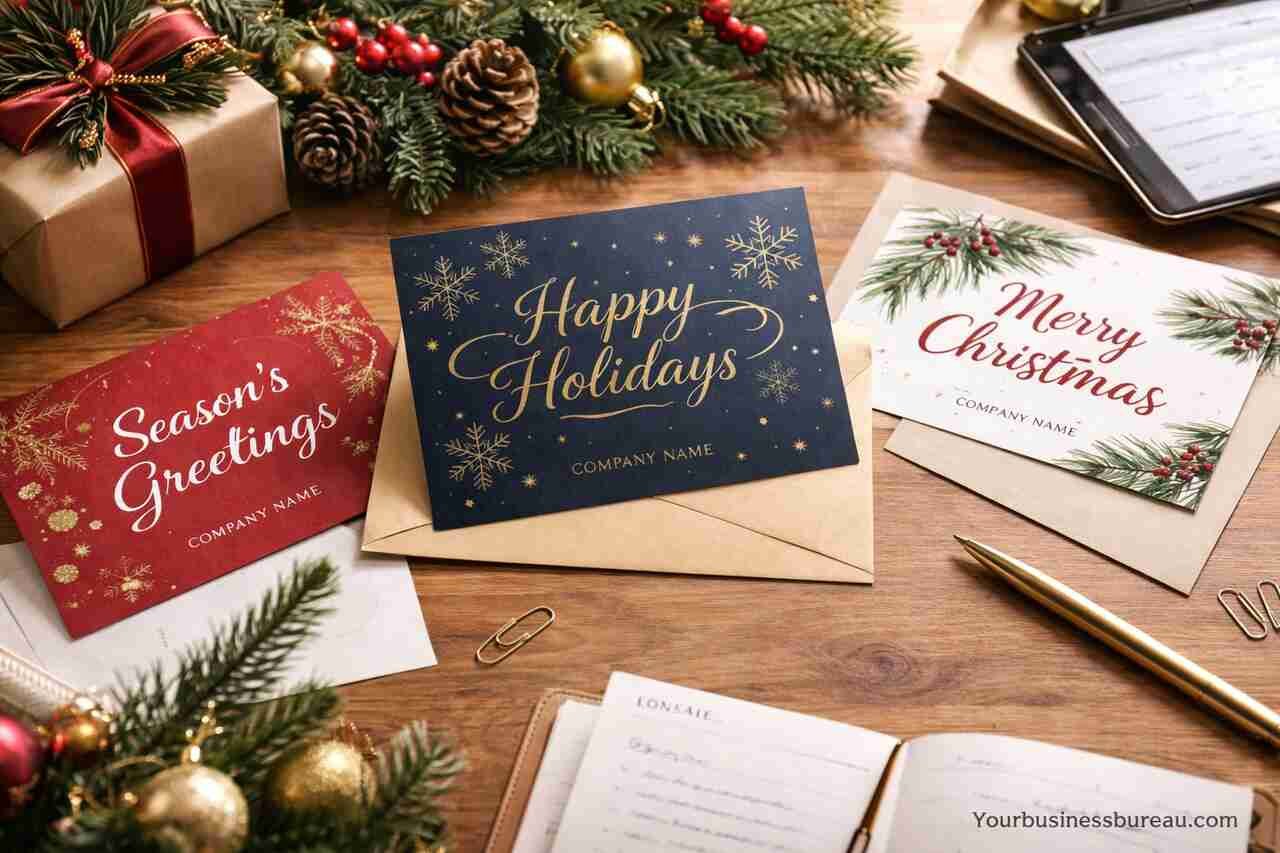
Highlight
- Business holiday cards strengthen relationships because appreciation builds emotional trust, and emotional trust increases long-term loyalty between a company and its audience.
- Personalized messages create deeper engagement because recipients feel recognized as individuals rather than transactions, and that recognition improves brand perception.
- Effective design improves communication because clean visuals guide attention, and guided attention ensures that the message remains clear and memorable.
- Timing influences success because early delivery increases visibility, and higher visibility improves the chances of meaningful engagement.
- Printed cards create lasting impressions because physical presence enhances memory, while digital cards improve reach because scalability supports wider communication.
- Consistent branding reinforces identity because repeated exposure builds familiarity, and familiarity strengthens trust and recall.
- Measuring impact supports growth because feedback reveals effectiveness, and effectiveness helps refine future communication strategies.
Business holiday cards function as a strategic communication tool that strengthens professional relationships, reinforces brand identity, and creates emotional resonance with clients, partners, and employees. A well-crafted holiday card delivers appreciation, maintains engagement, and subtly promotes brand values while aligning with seasonal sentiment. Every organization that prioritizes long-term trust and recognition benefits from integrating holiday cards into communication strategy because consistent appreciation builds loyalty, and loyalty directly supports business growth.
Why Are Business Holiday Cards Important for Professional Relationships?
Business holiday cards strengthen professional relationships by expressing gratitude in a personalized and memorable format. A thoughtful message creates emotional connection, and emotional connection increases trust between a company and its audience. Trust leads to repeat business and long-term collaboration.
Personalization within holiday cards enhances relationship depth because recipients feel recognized beyond transactional interactions. A customized greeting that includes a client’s name or shared experience reinforces authenticity. Authenticity supports credibility, and credibility improves brand perception across competitive markets.
Consistency in sending holiday cards establishes reliability as a brand trait. A company that communicates appreciation regularly demonstrates commitment to its network. Commitment encourages loyalty, and loyalty transforms occasional clients into long-term partners.
How Emotional Connection Improves Retention
Emotional connection improves retention because people prefer brands that acknowledge their importance beyond financial value. A holiday card with a sincere tone creates a positive memory, and positive memory increases the likelihood of future engagement.
How Consistency Builds Brand Trust
Consistency builds brand trust because repeated positive interactions reinforce expectations. A yearly holiday greeting signals dependability, and dependability strengthens professional confidence in the brand.
What Makes a Business Holiday Card Effective?


An effective business holiday card combines thoughtful messaging, strong design, and clear brand identity. Messaging must align with the company’s tone, while design should reflect professionalism and visual appeal. Alignment ensures coherence, and coherence enhances message clarity.
Clarity in communication ensures that the recipient understands the intent without confusion. A concise yet warm message delivers appreciation effectively. Simplicity avoids overwhelming the reader and keeps focus on the sentiment.
Visual elements such as color, typography, and layout influence perception. A clean and elegant design communicates professionalism, while cluttered visuals reduce impact. Design quality directly affects how the brand is perceived.
Role of Design in Communication
Design influences communication because visual hierarchy guides attention. A structured layout ensures the message stands out, and balanced colors create a pleasant reading experience.
Importance of Clear Messaging
Clear messaging ensures understanding because ambiguity reduces emotional impact. A direct message of gratitude communicates sincerity and strengthens connection.
How Can Businesses Personalize Holiday Cards?
Personalization in business holiday cards enhances engagement by making recipients feel valued. Including names, referencing past interactions, or tailoring messages based on relationship type adds relevance. Relevance increases emotional impact.
Segmenting recipients allows businesses to adjust tone and content. Clients, employees, and partners have different expectations, and tailored messages address those expectations effectively. Customization improves communication accuracy.
Handwritten notes or signatures elevate personalization because they add a human touch. A human touch increases authenticity, and authenticity builds stronger emotional connections with recipients.
Using Customer Data for Personalization
Customer data supports personalization because information about preferences and interactions enables targeted messaging. Targeted messaging increases relevance and engagement.
Handwritten Elements and Their Impact
Handwritten elements create authenticity because they demonstrate effort. Effort signals genuine appreciation and enhances emotional response.
What Are the Different Types of Business Holiday Cards?
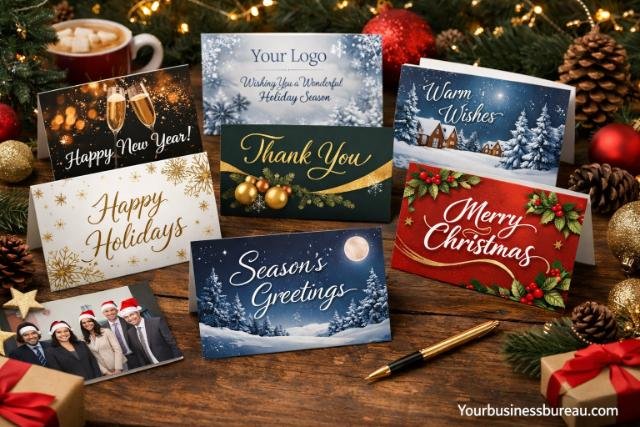
Different types of business holiday cards serve varied purposes depending on the audience and brand style. Traditional cards focus on formal greetings, while modern cards incorporate creative designs and digital formats. Variety allows flexibility in communication.
Printed cards offer a tangible experience that digital messages cannot replicate. Physical cards create a lasting impression because recipients can display them. Tangibility increases memorability.
Digital holiday cards provide convenience and scalability. Businesses can reach a large audience quickly while maintaining design consistency. Efficiency supports broader communication strategies.
| Card Type | Key Feature | Best Use Case |
| Printed Cards | Tangible experience | High-value clients |
| Digital Cards | Easy distribution | Large audiences |
| Handmade Cards | Personal touch | Close relationships |
| Corporate Branded | Strong identity | Brand reinforcement |
Benefits of Printed Holiday Cards
Printed cards create a physical connection because recipients can hold and display them. Physical presence increases recall and emotional attachment.
Advantages of Digital Holiday Cards
Digital cards improve efficiency because they allow quick delivery. Speed ensures timely communication and broad reach.
When Should Businesses Send Holiday Cards?
Timing plays a critical role in the effectiveness of business holiday cards. Sending cards early in the holiday season ensures visibility before recipients become overwhelmed with messages. Early delivery increases attention.
Mid-season delivery maintains relevance while avoiding delays. A well-timed card reaches recipients when holiday spirit is active, enhancing emotional reception.
Late delivery risks reduced impact because recipients may already be disengaged from seasonal communication. Proper planning ensures timely execution and maximum effectiveness.
Early vs Late Sending Strategy
Early sending captures attention before saturation. Late sending risks being overlooked due to message overload.
Planning and Scheduling Tips
Planning ensures consistency because organized schedules prevent delays. Scheduling supports timely delivery and improves campaign success.
How Do Business Holiday Cards Support Branding?
Business holiday cards reinforce branding by maintaining visual and tonal consistency with company identity. Consistent branding ensures recognition, and recognition strengthens brand recall.
Incorporating logos, brand colors, and messaging style ensures alignment with overall marketing strategy. Alignment creates coherence across communication channels and enhances professionalism.
Subtle branding avoids overwhelming the recipient while maintaining identity presence. Balanced branding ensures appreciation remains the primary focus while still promoting the company.
| Branding Element | Purpose | Impact on Audience |
| Logo | Identity recognition | Improves recall |
| Color Scheme | Visual consistency | Enhances aesthetics |
| Tone of Voice | Communication style | Builds personality |
| Typography | Readability and style | Improves clarity |
Role of Visual Identity
Visual identity supports branding because consistent visuals create familiarity. Familiarity increases trust and recognition.
Balancing Promotion and Appreciation
Balancing promotion ensures the message remains genuine. Genuine communication strengthens relationships without appearing overly commercial.
How Can Businesses Measure the Impact of Holiday Cards?
Measuring the impact of business holiday cards involves tracking engagement, feedback, and relationship outcomes. Positive responses indicate successful communication, and successful communication supports business goals.
Customer feedback provides insights into effectiveness. Feedback highlights strengths and areas for improvement, enabling better future strategies.
Long-term relationship growth serves as a key indicator of success. Increased loyalty and repeat interactions demonstrate the value of holiday card initiatives.
Tracking Customer Responses
Tracking responses helps evaluate effectiveness because engagement levels indicate impact. Higher engagement reflects successful communication.
Evaluating Long-Term Benefits
Long-term evaluation measures relationship strength. Strong relationships lead to sustained business growth and improved brand reputation.
Conclusion
Business holiday cards serve as a powerful communication tool that combines appreciation, branding, and relationship building. Strategic use of personalization, timing, and design enhances effectiveness while maintaining authenticity. Consistent and thoughtful holiday messaging strengthens trust, improves brand perception, and supports long-term business success.
If you want to explore how we help businesses grow from the ground up, you can visit yourbusinessbureau.com to see what we offer.
FAQ’s
A business holiday card should express gratitude, acknowledge the relationship, and share positive wishes. Clear and warm messaging ensures sincerity and strengthens connection.
Digital holiday cards offer efficiency and scalability, while printed cards provide a tangible and memorable experience. Effectiveness depends on audience preference.
Small businesses can focus on personalization and authenticity. Thoughtful messages and simple designs create strong emotional impact without high costs.
Branding should be included subtly to maintain identity without overshadowing the message. Balanced branding ensures professionalism and appreciation.
Holiday cards should be sent early in the season to ensure visibility and engagement. Early timing increases the likelihood of being noticed.


