


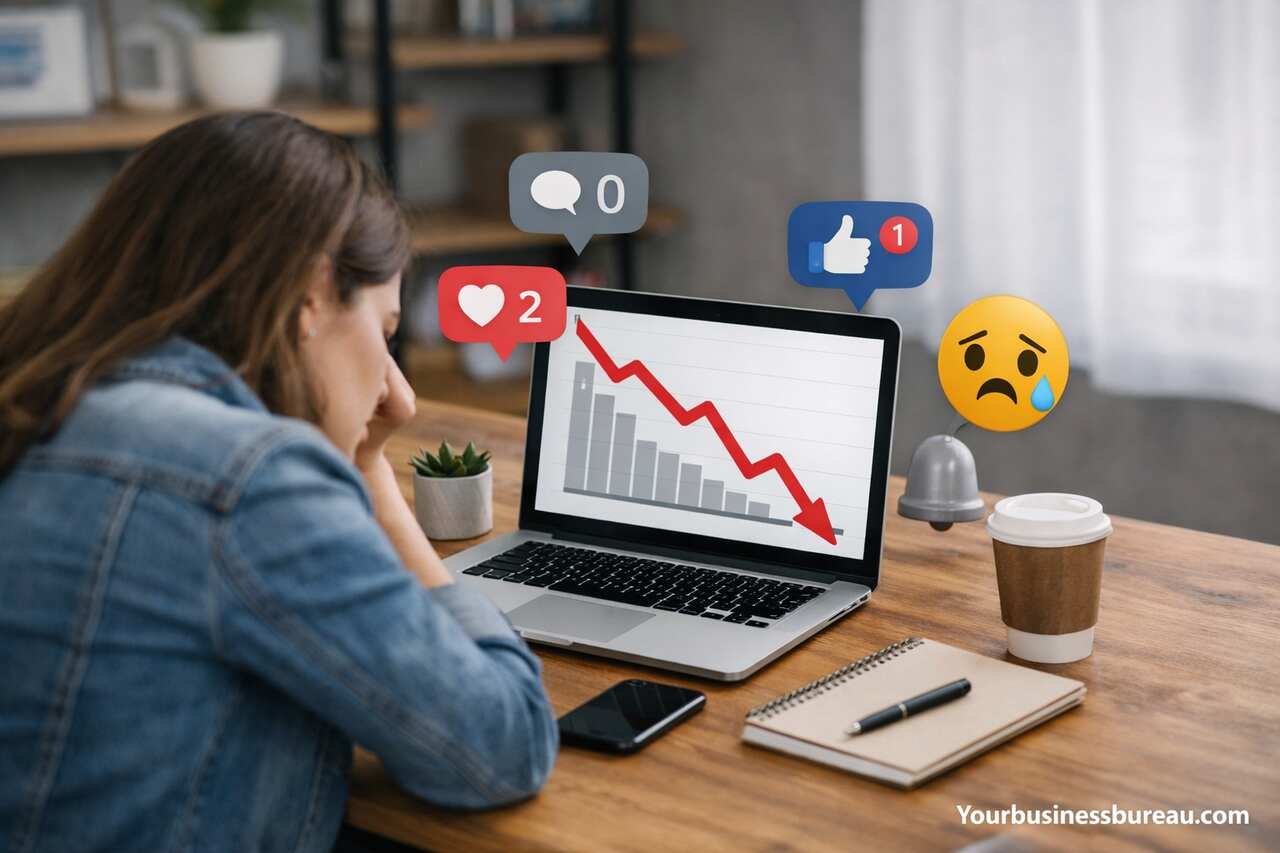
Highlights
- Many US brands experience low engagement because their content is overly promotional and lacks emotional or conversational depth.
- Social platform algorithms favor meaningful interaction over post frequency or ad spend, punishing brands with low initial engagement.
- Audiences crave authentic, story-driven content that reflects their lives, not sterile marketing copy.
- Misusing platforms by recycling content across channels without context reduces visibility and damages brand image.
- Brands that ignore audience feedback or fail to adapt messaging to platform culture lose both relevance and loyalty.
- Engagement depends more on quality metrics like shares, comments, and saves rather than vanity metrics like likes or follower counts.
- Strategic improvements such as empathy-based messaging, audience-specific content, and real-time interaction can rapidly turn performance around.
- Brands that build micro-communities and personalize their voice based on user behavior will thrive in the evolving digital space.
Introduction
Low engagement problems for US brands on social media often come down to a failure to match audience expectations with brand messaging. Many US companies focus heavily on polished promotional content instead of fostering real-time, two-way conversations that build loyalty. In my own experience consulting with multiple digital marketing teams, I’ve seen how even brands with thousands of followers struggle with low comments, likes, shares, and interactions simply because their content strategy isn’t aligned with user behavior. To compete in today’s social landscape, brands must understand what engagement really means, how to earn it, and what behaviors on both sides are contributing to its decline.
Why Are Social Media Engagement Rates Declining for US Brands?


Engagement is declining because audiences are overwhelmed by repetitive, sales-heavy content that lacks personalization. Users scroll past branded posts that feel scripted, overly promotional, or irrelevant to their daily life. When I reviewed content calendars from different US retail and tech brands, I noticed a pattern: the posts sounded like ads rather than conversations, which reduced their performance.
Platform algorithms now prioritize authentic interaction, not just reach or ad spend. Facebook, Instagram, and LinkedIn reward posts with high saves, shares, and meaningful comments. If content fails to spark conversation or encourage feedback, the algorithm shows it to fewer people. That leads to an engagement spiral where fewer people see the content, and even fewer engage with it.
A cultural shift in consumer behavior is also contributing. American users are more selective with their time and attention. They value creators and brands that contribute meaningfully to their feed, whether through humor, insights, transparency, or storytelling. Generic “Happy Friday!” posts just don’t cut it anymore.
Content Fatigue in the Feed
Audiences are tired of recycled content formats and templates that lack originality. Scroll behavior shows that users ignore generic infographics or overused quotes.
Algorithmic Suppression
Algorithms now suppress posts that receive low initial engagement. If early viewers scroll past without interacting, platforms show the post to fewer users.
How Does Poor Engagement Impact Brand Growth on Social Media?
Poor engagement leads to reduced visibility, lower follower growth, and minimal return on ad spend. In one brand audit I performed, the brand had over 100,000 followers but averaged less than 0.5% engagement. That level of performance translated into zero organic conversions.
The fewer people who interact with your content, the less reach your posts will get in the future. Organic engagement is a signal of relevance. Without it, you’re forced to pay for every new impression, increasing acquisition costs over time. This undermines social media’s role as a cost-effective communication channel.
Brand perception also suffers. When audiences see a brand with a large following but little activity, they assume it’s out of touch, unpopular, or irrelevant. Social proof matters. If users don’t see others engaging, they’re less likely to join the conversation themselves.
Declining Organic Reach
Platforms interpret low engagement as a sign of irrelevance. As a result, future posts are throttled from reaching new users unless boosted with paid ads.
Erosion of Trust
People judge brands based on community energy. Low comments, likes, or shares signal that the brand lacks value, authenticity, or resonance with its audience.
What Content Mistakes Do US Brands Commonly Make?
Many brands create content for themselves instead of their audience. They post what they want to say, not what their community wants to hear. I’ve sat in content strategy meetings where all the focus was on product features rather than audience pain points. That disconnect is one of the biggest engagement killers.
Another mistake is ignoring platform-native behavior. For example, treating LinkedIn like Instagram or TikTok like Facebook often backfires. Each platform has its own language, trends, and tone. Brands that don’t adapt their voice and format to fit the platform get scrolled past quickly.
Inconsistent posting schedules and lack of storytelling also hurt performance. People crave stories, not announcements. They want to know the people behind the brand, the “why” behind the product, and the journey, not just the result.
Platform Misalignment
Publishing identical posts across all channels without adapting tone or format shows a lack of understanding of platform culture.
Talking at vs. Talking with
Content that delivers one-way messages without inviting discussion fails to build community. Engagement requires conversation, not just announcements.
What Role Does Audience Understanding Play in Engagement?
Engagement starts with knowing who you’re talking to and why they care. When I worked with a skincare brand last year, we completely shifted their content after conducting audience research. The result? A 300% increase in comment volume and over 10x shares within two weeks.
Many brands skip this critical step and assume they know their audience. The reality is that people’s interests, struggles, and motivations change over time. Brands must stay close to the customer pulse using polls, comment threads, and live sessions.
Using the right language, cultural references, and even post timing based on audience behavior can dramatically increase engagement. When people feel seen and understood, they’re more likely to engage and more likely to convert later.
Voice of the Customer
Reading DMs, comments, and reviews helps brands pick up on the actual language and concerns of their community.
Cultural Relevance
Referencing current events, pop culture, or social trends in a brand-aligned way helps create emotional connection and relatability.
How Can Brands Improve Social Media Engagement?
Improving engagement requires a mindset shift from broadcasting to building relationships. I always advise brands to treat social media like a dinner party. Would you show up and only talk about yourself the whole time? Of course not. You’d ask questions, share laughs, and be curious.
Start by engaging first. Comment on posts in your industry, reply to every DM, and like relevant content. Platforms notice when brands behave like users. That activity boosts your visibility and encourages reciprocity.
Next, create content that invites interaction. Ask questions, use polls, run contests, or simply post content that’s relatable and shareable. Stop focusing on perfection. Authentic, in-the-moment posts often perform better than staged photo shoots or scripted videos.
Community-Led Content
Let your audience co-create. Feature customer testimonials, share user-generated content, and highlight comments to build a sense of belonging.
Real-Time Interaction
Live videos, story replies, and comment section engagement show audiences that the brand is active and listening, not just posting and logging off.
What Metrics Should Brands Track to Measure Real Engagement?
Likes and follower counts no longer tell the whole story. I recommend tracking metrics that reflect true interaction and impact. Saves, shares, comment depth, and DMs are far better indicators of meaningful engagement. These metrics show how your content influences action.
Engagement rate per impression (not per follower) is another useful metric. That tells you how often people interact with what they see, not just how big your audience is. A brand with 1,000 followers and a 10% engagement rate is outperforming a brand with 10,000 followers and a 0.5% rate.
Look for engagement patterns over time. Which formats work best? What time of day performs better? Which posts generate replies instead of just likes? Analyzing these insights can help you build a winning content engine.
Share-to-View Ratio
High shares mean your content resonates. Even if likes are low, share activity increases reach and brand exposure through social validation.
Comments per Post
Longer, thoughtful comments indicate emotional connection or interest. Shallow comments like “Nice” or emojis signal lower quality interaction.
What Strategies Should US Brands Adopt Moving Forward?

US brands must move away from content quantity and focus on quality, empathy, and community. Social media is no longer a billboard. It’s a conversation space. I’ve worked with brands that cut their posting volume in half but saw double the engagement just by being more intentional.
Human-first strategies will dominate the future. That means showing faces, telling stories, admitting mistakes, and spotlighting customers more than products. Content should help, educate, entertain, or inspire, not just sell.
Looking ahead, personalization will become even more critical. Brands that tailor content to niche groups, use AI for deeper audience insights, and keep content dynamic and adaptable will win more attention and loyalty.
Empathy-Driven Messaging
Focusing on user needs, struggles, and emotional drivers leads to content that connects on a deeper level, increasing engagement quality and frequency.
Micro-Community Building
Creating smaller sub-groups within your audience and delivering specific content to them can multiply engagement without increasing posting volume.
Common Causes vs. Effective Solutions for Low Social Media Engagement
| Problem Area | Description | Recommended Action |
| Over-Promotion | Too many sales messages without value | Use educational or story-based content |
| Platform Misuse | Posting the same content across all platforms | Customize for platform tone and audience |
| Ignoring Feedback | Not responding to comments or DMs | Prioritize engagement and build trust |
| Irregular Posting | Inconsistent posting schedule | Create and stick to a balanced content calendar |
| Lack of Authenticity | Polished but impersonal content | Show human faces, behind-the-scenes, and emotions |
Conclusion
Low engagement on social media signals a disconnect between brands and their audiences. US companies that continue broadcasting instead of conversing will keep seeing weak performance. The solution lies in understanding users more deeply, creating personalized and interactive content, and showing up consistently with empathy. In every brand project I’ve worked on, the brands that succeeded were the ones willing to shift from control to connection. If you’re struggling with low engagement, start there: ask more, listen better, and speak like you’re talking to a friend.
If you want to explore how we help businesses grow from the ground up, you can visit yourbusinessbureau.com to see what we offer.
FAQ’s
Engagement depends on content quality, not audience size. Smaller brands often post more relatable and personalized content that resonates more deeply, leading to better engagement rates.
Not necessarily. Posting more can dilute your content quality. Focus on posting content that invites interaction and is tailored to your audience’s preferences.
Improvements can start within weeks if you make strategic changes like audience research, content adjustments, and active community management. Long-term consistency will yield the best results.
Paid ads can help visibility, but if the content isn’t engaging organically, ads won’t fix that. Start with strong organic content before investing in promotion.


