









Highlights
- Nissan Motor Corporation is not going out of business, and current operations across global markets confirm business continuity despite financial pressure and restructuring efforts.
- Market rumors about Nissan’s collapse mainly come from negative headlines, layoffs, and restructuring news, which often lack full context about long-term recovery strategies.
- Financial performance shows mixed signals, where revenue remains stable but profit margins face pressure due to competition, electric vehicle investment, and operational adjustments.
- Competitive positioning places Nissan behind companies like Toyota Motor Corporation and Tesla Inc. in innovation speed, but Nissan still holds strength in affordability and global reach.
- Electric vehicle transition plays a critical role in Nissan’s future, where success depends on balancing cost, technology, and large-scale production.
- Strategic restructuring, leadership changes, and partnerships indicate transformation rather than shutdown, which reflects a common pattern in the automotive industry.
- Consumer confidence remains stable because Nissan continues to produce vehicles, maintain service networks, and invest in future technologies.
Nissan Motor Corporation is not going out of business, but the company faces financial pressure, strategic restructuring, and strong competition that create uncertainty in the minds of consumers and investors. Nissan continues to operate globally, produce vehicles, and invest in electric mobility, yet profitability challenges and leadership transitions influence public perception. Many readers search this topic because headlines and social media amplify partial truths, so a clear, structured explanation helps separate speculation from reality while guiding practical understanding for buyers, investors, and enthusiasts.
What Is the Current Financial Situation of Nissan?
Nissan maintains global operations, manufacturing plants, and active vehicle sales, which confirms business continuity. Financial reports show fluctuating profits due to restructuring costs, currency changes, and shifting market demand. Revenue streams remain active, yet margins experience pressure from competition and transition toward electric vehicles.
Nissan focuses on cost optimization and operational efficiency to stabilize profitability. Leadership decisions prioritize reducing excess production capacity, improving supply chain resilience, and aligning product strategy with evolving consumer preferences. These actions indicate recovery efforts rather than shutdown signals.
Market analysts evaluate Nissan as a company in transition rather than collapse. Investor sentiment reflects cautious optimism because long-term survival depends on execution of restructuring plans and innovation strategies.
Why Do People Think Nissan is Struggling?
Public concern often arises from layoffs, factory closures, and declining profits in certain regions. News headlines highlight negative developments without explaining broader restructuring strategies, which creates a perception of instability.
How Does Nissan Generate Revenue Today?
Nissan earns revenue through vehicle sales, financing services, and partnerships. Popular models and global market presence continue to support cash flow despite competitive pressure.
How Does Nissan Compare to Other Automakers?


Nissan operates in a highly competitive automotive industry alongside companies like Toyota Motor Corporation and Tesla Inc.. Competitive positioning depends on pricing strategy, innovation, and brand perception.
Nissan historically led in electric vehicles with early models, but competitors accelerated innovation, reducing Nissan’s technological advantage. Market share fluctuates because rivals invest heavily in battery technology, autonomous driving, and software ecosystems.
Strategic alliances and partnerships influence Nissan’s competitiveness. Collaboration with other manufacturers enables cost-sharing and technology development, which strengthens long-term survival potential.
What Are Nissan’s Competitive Strengths?
Nissan benefits from global distribution, brand recognition, and experience in electric vehicle development. Affordable pricing and diverse product lines attract a wide customer base.
Where Does Nissan Fall Behind Competitors?
Nissan faces challenges in premium branding, rapid innovation cycles, and software integration compared to newer automotive disruptors and established leaders.
Is Nissan Facing Bankruptcy Risks?
Nissan does not currently face immediate bankruptcy risk, but financial stress factors require careful management. Debt levels, restructuring expenses, and fluctuating demand influence financial stability.
Cash reserves and ongoing operations provide a buffer against short-term risks. Strategic cost-cutting measures aim to maintain liquidity and prevent financial deterioration.
Bankruptcy discussions usually emerge during periods of restructuring, but restructuring itself represents an effort to avoid collapse rather than evidence of failure.
What Financial Indicators Matter Most?
Key indicators include operating profit, debt-to-equity ratio, and cash flow. These metrics help assess whether Nissan can sustain operations and invest in future growth.
Has Nissan Ever Been Close to Bankruptcy?
Nissan experienced severe financial distress in the late 1990s before recovery through leadership changes and strategic restructuring, demonstrating resilience.
What Role Does Electric Vehicle Transition Play in Nissan’s Future?

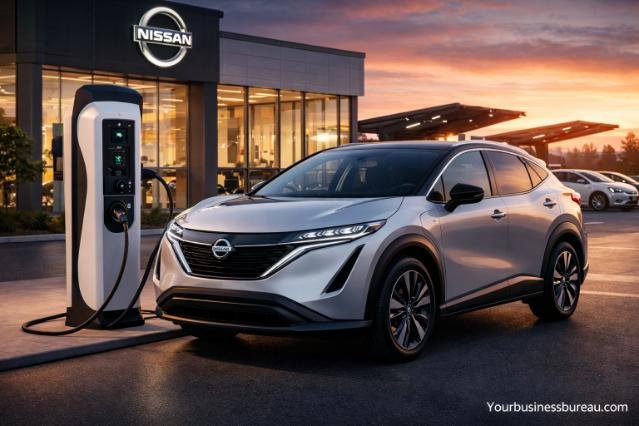
Electric vehicle development defines Nissan’s long-term survival strategy. Early innovation with models like the Leaf positioned Nissan as a pioneer, but maintaining leadership requires continuous advancement.
Investment in battery technology, charging infrastructure, and software integration shapes Nissan’s competitive edge. Governments worldwide promote electric adoption, which creates both opportunity and pressure.
Nissan’s ability to scale electric production while controlling costs determines future profitability. Strategic alignment with global sustainability trends supports long-term relevance.
How Strong is Nissan in the Ev Market?
Nissan maintains credibility due to early adoption and existing electric vehicle lineup. Continued innovation remains necessary to compete with rapidly evolving rivals.
What Challenges Does Nissan Face in Ev Transition?
Battery costs, infrastructure limitations, and intense competition create obstacles. Success depends on balancing affordability with technological advancement.
How Do Global Market Trends Affect Nissan?
Global automotive demand shifts influence Nissan’s performance across regions. Economic conditions, fuel prices, and consumer preferences impact vehicle sales.
Emerging markets provide growth opportunities, while mature markets demand innovation and sustainability. Nissan adapts strategies based on regional demand patterns to maintain relevance.
Supply chain disruptions and geopolitical factors also affect production and distribution. Managing these risks becomes essential for operational stability.
Which Regions Are Most Important for Nissan?
Asia, North America, and Europe represent key markets. Each region contributes differently to revenue and growth potential.
How Does Inflation Impact Nissan?
Inflation increases production costs and affects consumer purchasing power. Pricing strategies must balance affordability with profitability.
What Strategic Changes Has Nissan Made Recently?
Nissan implements restructuring plans focused on efficiency and profitability. These plans include reducing costs, optimizing production capacity, and refining product portfolios.
Leadership transitions influence strategic direction and corporate culture. New management emphasizes innovation, accountability, and global alignment.
Partnerships with other companies strengthen technological capabilities and reduce development costs. Collaboration supports long-term competitiveness.
Why Are Restructuring Plans Important?
Restructuring improves financial health by eliminating inefficiencies and aligning resources with market demand.
How Does Leadership Impact Company Direction?
Leadership decisions shape strategy, innovation focus, and operational execution, which directly affect company performance.
What Should Consumers and Investors Expect from Nissan’s Future?
Nissan’s future depends on execution of strategy, innovation, and market adaptation. Stability remains likely, but growth requires consistent improvement in profitability and technology.
Consumers can expect continued vehicle production, new electric models, and improved features. Investors should monitor financial performance and strategic milestones.
Long-term outlook suggests survival with transformation rather than disappearance. Automotive industry evolution demands adaptability, and Nissan shows intent to evolve.
Should Buyers Worry About Nissan Vehicles?
Buyers should not worry because Nissan continues production, service support, and global operations. Warranty and maintenance infrastructure remain active.
Is Nissan a Good Long-term Investment?
Investment potential depends on risk tolerance and confidence in turnaround strategy. Growth opportunities exist alongside challenges.
Comparative Overview of Nissan’s Position in the Automotive Industry
| Factor | Nissan Motor Corporation | Toyota Motor Corporation | Tesla Inc. |
| Market Focus | Mass-market vehicles and EV transition | Reliability and hybrid leadership | Fully electric innovation |
| Strength | Affordable EV experience and global reach | Strong brand trust and efficiency | Advanced technology and software |
| Weakness | Slower innovation pace | Higher pricing in some markets | Limited affordability in entry models |
| Growth Strategy | Restructuring and EV expansion | Hybrid and hydrogen focus | EV scaling and AI integration |
Nissan shows balanced strengths and weaknesses compared to competitors. Market positioning depends on affordability and global reach, while innovation speed defines future competitiveness. Understanding these differences helps readers evaluate Nissan more realistically instead of relying on rumors.
Key Financial and Strategic Indicators of Nissan
| Indicator | Current Direction | Impact on Business |
| Revenue | Stable with fluctuations | Indicates ongoing operations |
| Profit Margins | Under pressure | Reflects restructuring costs |
| Debt Level | Managed but significant | Requires careful financial control |
| EV Investment | Increasing | Supports future growth |
| Global Sales | Active across regions | Confirms business continuity |
Financial indicators show that Nissan operates under pressure but remains functional. Data highlights transformation rather than collapse, which aligns with industry trends affecting many traditional automakers.
Conclusion
Nissan Motor Corporation is not going out of business, but the company operates within a challenging environment shaped by competition, technological change, and financial restructuring. Stability exists alongside uncertainty, which creates mixed perceptions in public discussions.
Long-term success depends on execution of electric vehicle strategy, cost control, and global market adaptation. Nissan shows signs of resilience through ongoing operations and strategic initiatives, indicating transformation rather than collapse.
If you want to explore how we help businesses grow from the ground up, you can visit yourbusinessbureau.com to see what we offer.
FAQ’s
Nissan continues global operations, manufacturing, and sales, so shutdown is not occurring.
Rumors spread due to financial headlines, restructuring news, and misunderstanding of industry dynamics.
Nissan actively produces and sells vehicles worldwide, including electric and hybrid models.
Survival depends on strategic execution, but current indicators support continued operation.
Buying a Nissan remains a reasonable decision because service networks and production remain active.


