


Highlights
- Businesses are rapidly shifting toward electric company cars to reduce operational costs and improve efficiency
- Electric vehicles (EVs) offer long-term savings through lower fuel and maintenance expenses
- Companies adopting EVs strengthen their brand image and align with sustainability goals
- Government incentives and tax benefits make EV adoption financially attractive
- EVs are especially effective for urban and predictable daily business operations
- Charging infrastructure is expanding, making EV ownership more practical than before
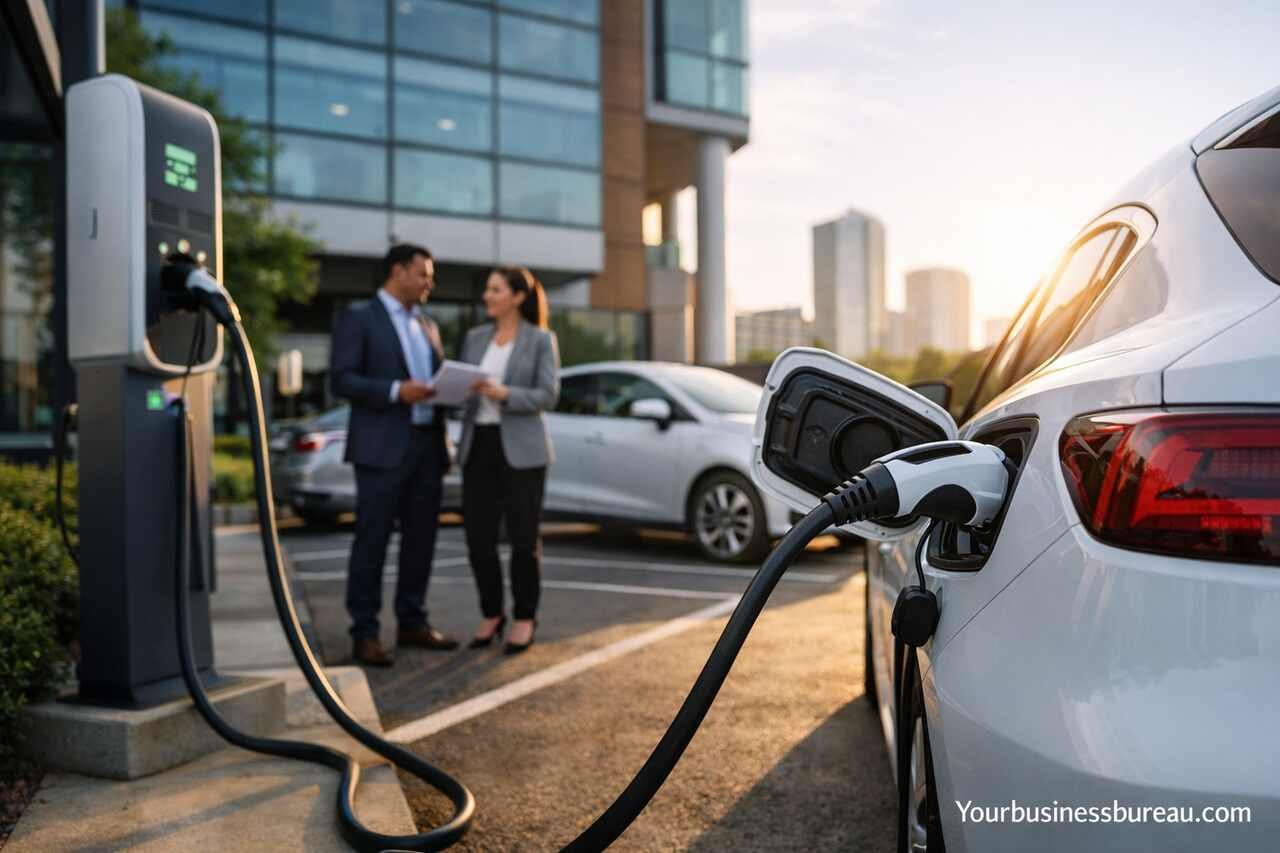
Businesses are under more pressure than ever to cut costs, improve efficiency, and show real commitment to sustainability. One practical way to do all three is by switching to electric company cars. What once felt like a future-facing idea is now becoming a realistic business decision for companies of all sizes.
From lower running costs to stronger brand perception, electric vehicles can offer more than just an environmental benefit. They can support daily operations, reduce long-term expenses, and help businesses stay aligned with changing customer expectations and government policies.
Why Are Businesses Switching to Electric Company Cars?

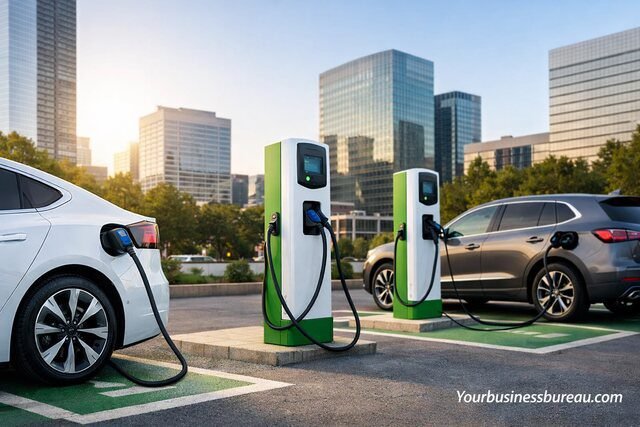
Many businesses are moving toward electric fleets because they offer a combination of financial, operational, and reputational advantages. Electric vehicles usually cost less to run, require less maintenance, and help companies reduce emissions. For organizations looking to modernize, they also signal innovation and responsibility.
This shift is not limited to large corporations. Small businesses, local service providers, delivery companies, sales teams, and professional firms are all exploring electric mobility as a practical investment.
Lower Operating Costs Over Time
One of the biggest reasons businesses consider electric company cars is cost efficiency. Although the upfront purchase price of an electric vehicle can sometimes be higher than a gasoline or diesel model, the long-term savings often make up for it.
Reduced Fuel Costs
Electricity is generally more affordable than traditional fuel on a cost-per-mile basis. For businesses with drivers on the road every day, that difference can add up quickly. The more vehicles a company operates, the greater the potential savings.
Less Maintenance
Electric vehicles have fewer moving parts than internal combustion engine vehicles. That usually means:
- No oil changes
- Less brake wear due to regenerative braking
- Fewer engine-related issues
- Lower routine maintenance needs
Over time, reduced service and repair costs can make fleet budgeting more predictable.
Stronger Environmental Credentials
Sustainability is no longer just a branding exercise. Customers, investors, employees, and partners are paying closer attention to how businesses operate. Electric company cars can help lower a company’s carbon footprint and support environmental goals in a visible, measurable way.
For many businesses, this matters for several reasons:
- It helps support ESG and corporate responsibility targets
- It improves public perception
- It can strengthen relationships with environmentally conscious customers
- It positions the company as forward-thinking in a competitive market
A branded electric fleet on the road sends a message. It shows that the company is willing to invest in cleaner technology and future-ready operations.
Better for Urban Driving and Daily Business Use
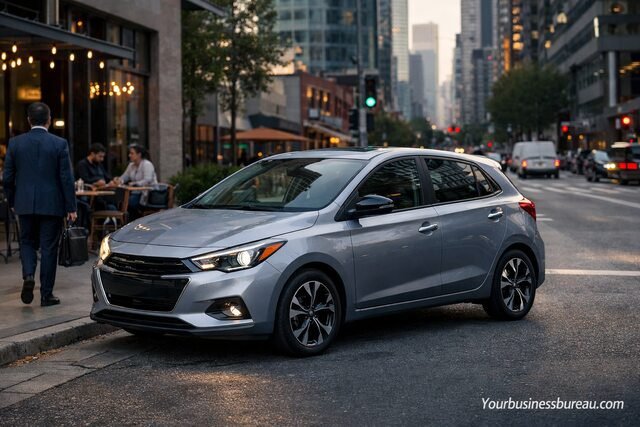
Electric vehicles are especially useful for businesses that operate in towns, suburbs, and cities.
Service calls, client meetings, local deliveries, and regional travel often fit well within the range of modern EVs.
Quiet and Comfortable Driving Experience
Electric company cars offer smooth acceleration, quiet cabins, and a more refined driving experience. That can improve driver satisfaction, especially for employees who spend a lot of time behind the wheel.
Ideal for Stop-and-go Traffic
In urban traffic, EVs perform particularly well. Regenerative braking helps recover energy during slowdowns, making them efficient in city conditions where traditional vehicles often burn more fuel.
Tax Incentives and Business Benefits
In many markets, governments encourage EV adoption through tax relief, grants, rebates, reduced registration costs, or other incentives. These benefits can improve the total cost of ownership and make electric company cars even more attractive.
Businesses should review local regulations and tax structures, but common advantages may include:
- Fleet tax reductions
- Purchase incentives
- Lower company car tax in some regions
- Access to low-emission or restricted urban zones
- Grants for workplace charging infrastructure
These policy advantages can make the move to electric transport not only environmentally smart, but financially strategic as well.
How Do Electric Company Cars Improve Brand Image?
Electric company cars improve brand image by showing that a business values innovation, efficiency, and sustainability. Clients and customers often view EV adoption as a sign that a company is modern and socially responsible.
This can be especially valuable in industries where trust, visibility, and reputation matter. A business that embraces cleaner mobility may stand out more positively than competitors still relying entirely on traditional fleets.
Charging is Becoming Easier Than Many Businesses Expect
One concern companies often have is charging. While it is a valid consideration, charging infrastructure has improved significantly in many areas. Businesses can also create practical charging strategies based on how their vehicles are used.
Workplace Charging
Installing chargers at the office, warehouse, or depot allows vehicles to recharge during working hours or overnight. For many businesses, this creates a reliable and convenient system.
Home Charging for Employees
For staff who take vehicles home, home charging can be a practical option. This works especially well for sales representatives, field service teams, and managers who start their day from home.
Public Charging Network Growth
Public charging stations are becoming more common in shopping areas, office districts, highways, and service locations. Companies researching vehicle options may also begin with searches like
Honda EVs near me to compare availability, dealership support, and models suited to business use.
A Smarter Long-term Fleet Strategy
Choosing electric company cars is not just about today’s savings. It is about preparing for the future. Fuel prices can fluctuate, emissions rules may tighten, and customer expectations will likely continue shifting toward sustainability.
Businesses that start planning now can gain a strategic advantage by:
- Testing EV adoption gradually
- Training teams early
- Building charging habits and infrastructure
- Reducing future disruption from regulation changes
- Improving procurement decisions over time
A phased transition can work well. Companies do not need to replace every vehicle at once. Starting with the most predictable routes or highest-mileage drivers can provide useful data and lower risk.
Common Concerns Businesses Should Evaluate
Electric company cars offer clear benefits, but businesses should still assess their needs carefully.
A smart transition depends on matching vehicle type, range, and charging access to real-world operations.
Key Points to Review
- Typical daily mileage
- Route predictability
- Payload or cargo needs
- Local charging access
- Available incentives
- Driver training and adoption
Not every vehicle in every fleet needs to be electric immediately. In some cases, a mixed fleet may be the best short-term solution while the business builds confidence and infrastructure.
Are Electric Company Cars Worth It for Small Businesses?
Yes, electric company cars can be worth it for small businesses, especially when vehicles are used for local travel, client visits, or regular daily routes. Lower running costs and reduced maintenance can help smaller firms protect margins while improving their brand image.
The key is to assess business use realistically. For many small businesses, even replacing one or two vehicles can create noticeable savings over time.
Conclusion
Electric company cars are no longer a niche option reserved for early adopters. They are becoming a practical, strategic choice for businesses that want to cut costs, modernize operations, and strengthen their environmental credentials.
With lower operating expenses, reduced maintenance, growing charging access, and stronger brand value, EVs can offer both immediate and long-term benefits. Whether a business manages a large fleet or just a few company vehicles, exploring electric options now could be one of the smartest decisions it makes for the road ahead.
If you want to explore how we help businesses grow from the ground up, you can visit yourbusinessbureau.com to see what we offer.


