






Introduction
Choosing the best social media platform for a small business is not about finding a single network that works for everyone. The right choice depends on your audience, industry, products, budget, content capabilities, and business goals. A local restaurant, an accounting firm, an online clothing store, and a software startup often achieve success on different platforms because their customers consume content differently.
Social media has become one of the most effective channels for brand awareness, customer engagement, lead generation, and sales growth. Small businesses can compete with larger organizations by creating targeted content, building communities, and communicating directly with customers. The key is selecting platforms that align with customer behavior rather than attempting to maintain a presence everywhere.
Identify Your Target Audience Before Choosing a Platform
The best social media platform is the one your customers already use.
Before creating accounts or investing in content, define who you want to reach. Consider age, location, profession, interests, purchasing habits, and the problems your products or services solve. A business targeting teenagers will often benefit from different platforms than a company serving executives or homeowners.
Audience demographics influence content consumption patterns. Younger audiences frequently engage with short-form videos, while professionals often seek educational and industry-specific content. Parents may interact with local community groups, and business buyers may prioritize thought leadership content.
Define Clear Business Goals Before Investing Time
Every social media platform excels at different outcomes.
Businesses focused on brand awareness often prioritize visual platforms with strong organic reach. Companies seeking leads may favor professional networks that support relationship building and direct communication. E-commerce brands typically perform best where product discovery is a natural user behavior.
Common social media goals include:
| Goal | Best Platform Types |
| Brand awareness | Instagram, TikTok, YouTube |
| Lead generation | LinkedIn, Facebook |
| Community building | Facebook, Instagram |
| Product sales | Instagram, Pinterest, TikTok |
| Customer service | Facebook, X |
| Education and authority | LinkedIn, YouTube |
A clear objective prevents wasted effort and helps measure success using relevant metrics such as engagement, leads, website visits, bookings, or revenue.
Build a Strong Presence on Facebook for Local Visibility

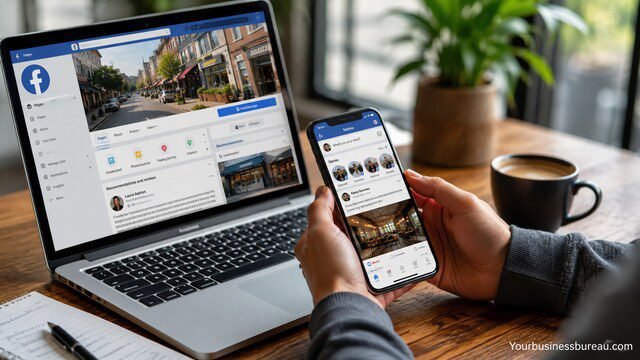
For many small businesses, Facebook remains one of the most versatile marketing platforms.
Facebook offers business pages, local targeting, reviews, messaging, groups, events, and advertising tools. Local service providers, restaurants, healthcare clinics, home improvement companies, and retail stores often generate significant engagement through community-focused content.
The platform supports multiple content formats including videos, images, stories, live streams, and text posts. This flexibility allows businesses to communicate with different audience segments without creating entirely new content strategies.
Facebook’s advertising capabilities are especially valuable. Businesses can target users based on demographics, interests, behaviors, and geographic location. Even modest advertising budgets can generate leads when campaigns are structured properly.
Best For
- Local businesses
- Service providers
- Community-focused brands
- Small retailers
- Restaurants
Potential Limitation
Organic reach has become more competitive, making consistent content and occasional advertising increasingly important.
Use Instagram to Showcase Products and Brand Personality
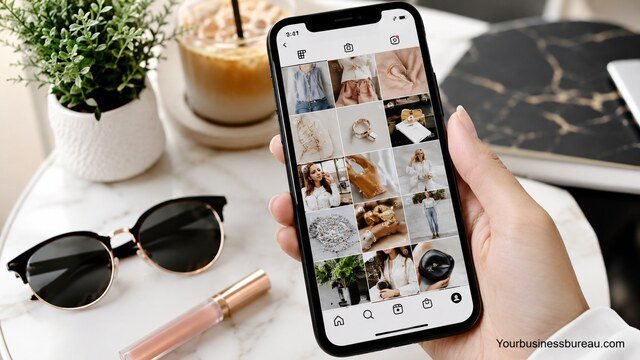
Instagram is often considered the best social media platform for visually driven small businesses.
Businesses selling fashion, beauty products, food, travel experiences, home décor, fitness services, or lifestyle products benefit from Instagram’s visual-first design. Customers often discover brands while browsing photos, reels, and stories.
Instagram’s algorithm rewards engaging visual content. Reels can significantly increase reach, while stories help maintain daily interaction with followers. Product tags and shopping features also streamline the customer journey from discovery to purchase.
Best For
- E-commerce stores
- Fashion brands
- Restaurants
- Fitness businesses
- Beauty companies
- Creative professionals
Potential Limitation
Businesses that struggle to produce visual content may find growth more challenging.
Leverage LinkedIn to Generate Professional Leads

LinkedIn is often the strongest platform for B2B companies and professional service providers.
Consultants, agencies, accountants, lawyers, software firms, coaches, and business advisors frequently achieve higher-quality leads through LinkedIn than through entertainment-focused networks.
The platform rewards expertise and credibility. Educational posts, industry analysis, case studies, research findings, and professional insights often perform exceptionally well. Decision-makers actively use LinkedIn to evaluate vendors and industry experts.
LinkedIn also supports relationship-based selling. Small businesses can engage directly with prospects, participate in industry conversations, and establish authority within specific sectors.
Best For
- B2B businesses
- Consultants
- Agencies
- SaaS companies
- Professional services
Potential Limitation
Businesses targeting primarily consumer audiences may experience lower engagement.
Create Short-Form Videos on TikTok to Accelerate Reach

TikTok has transformed social media marketing by allowing small businesses to achieve massive exposure without large advertising budgets.
Unlike traditional platforms that rely heavily on follower counts, TikTok’s recommendation system can distribute content to large audiences even when an account is relatively new. This creates opportunities for rapid growth.
Businesses can educate, entertain, demonstrate products, answer customer questions, and share company stories through short videos. Authenticity generally outperforms highly polished promotional content.
Small businesses often succeed when they focus on relatable experiences, practical tips, customer transformations, and industry insights rather than direct selling.
Best For
- Consumer brands
- Restaurants
- Retail stores
- Personal brands
- Fitness businesses
- Beauty brands
Potential Limitation
Consistent video creation is necessary to maintain momentum.
Develop Long-Term Authority Through YouTube
YouTube combines social media engagement with search engine visibility.
Unlike many social platforms where content disappears quickly, YouTube videos can generate traffic, leads, and customers for years. Educational videos, tutorials, product demonstrations, and industry insights often continue attracting viewers long after publication.
The platform supports customer research behavior. Prospective buyers frequently search for reviews, solutions, comparisons, and instructional content before making purchasing decisions.
Businesses that invest in valuable educational content often build trust faster because viewers spend significant time consuming their material.
Best For
- Educational businesses
- Coaches
- Consultants
- Technology companies
- Home improvement services
- Product-focused brands
Potential Limitation
Video production generally requires more time than creating standard social posts.
Use Pinterest to Drive Product Discovery and Website Traffic
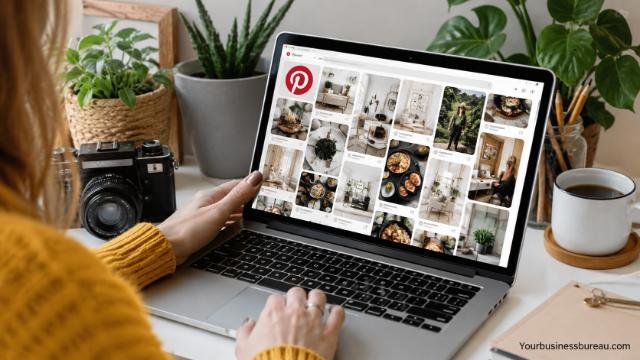
Pinterest functions more like a visual search engine than a traditional social network.
Users often visit Pinterest with buying intent. They search for ideas, inspiration, products, projects, and solutions. This behavior creates strong opportunities for businesses that sell visually appealing products.
Home décor brands, wedding businesses, food companies, fashion retailers, and DIY-focused organizations frequently generate significant website traffic through Pinterest.
Pins have a longer lifespan than typical social media posts. Content can continue attracting users months or even years after publication.
Best For
- Home décor
- Fashion
- Food businesses
- Wedding services
- Crafts and DIY brands
Potential Limitation
Industries without strong visual appeal may see limited results.
Utilize X for Real-Time Communication and Industry Conversations

X can help businesses participate in ongoing discussions and respond quickly to trends.
The platform enables direct engagement with customers, industry leaders, journalists, and influencers. Businesses often use it for customer support, announcements, thought leadership, and event coverage.
Organizations operating in technology, media, finance, sports, and news-related industries may find greater value on X than businesses focused on visual products.
Best For
- Technology companies
- Media businesses
- News-focused organizations
- Personal brands
Potential Limitation
Content lifespan is relatively short compared with other platforms.
Compare the Top Social Media Platforms for Small Businesses
| Platform | Best For | Content Type | Lead Generation | Sales Potential |
| Local businesses | Mixed content | High | High | |
| Visual brands | Photos and reels | Medium | High | |
| B2B services | Professional content | Very High | High | |
| TikTok | Consumer brands | Short videos | Medium | High |
| YouTube | Education and authority | Long-form video | High | High |
| Product discovery | Visual search content | Medium | High | |
| X | Real-time engagement | Short updates | Medium | Medium |
Focus on One or Two Platforms Instead of Every Network
Many small businesses fail because they attempt to manage too many platforms simultaneously.
A focused strategy typically produces stronger results than spreading limited resources across five or six networks. Consistency matters more than platform quantity. Businesses that publish quality content regularly often outperform competitors with broader but inconsistent activity.
Start with the platform that best matches your audience and business objectives. After building a sustainable process, expand to a second platform that complements the first.
For example:
- Facebook + Instagram for local retail
- LinkedIn + YouTube for consultants
- TikTok + Instagram for consumer products
- Pinterest + Instagram for lifestyle brands
This approach allows teams to improve content quality while maintaining manageable workloads.
Create Content That Matches Platform Behavior
Different platforms reward different content styles.
Facebook audiences often engage with community discussions and local updates. Instagram users prefer visual storytelling. LinkedIn users value expertise and professional insights. TikTok audiences expect authenticity and entertainment. YouTube viewers seek depth and detailed explanations.
Adapting content to platform expectations improves visibility and engagement. Simply reposting identical content across every network rarely delivers optimal results.
Businesses should identify recurring content categories such as:
- Educational content
- Customer success stories
- Product demonstrations
- Behind-the-scenes updates
- Industry insights
- Frequently asked questions
These categories create consistency while supporting multiple business objectives.
Use Paid Advertising to Amplify Organic Growth
Organic content builds trust, but advertising accelerates visibility.
Most major platforms offer sophisticated advertising systems that allow precise audience targeting. Small businesses can reach specific demographics, interests, locations, and behavioral segments without massive budgets.
Advertising works best when paired with strong organic content. Users who encounter a business through ads often review social profiles before making purchasing decisions. A well-maintained profile strengthens credibility and increases conversion rates.
Measure Results and Improve Performance Regularly
Successful social media marketing requires continuous evaluation.
Businesses should track metrics aligned with their goals rather than focusing solely on follower counts. Engagement, website visits, inquiries, leads, appointments, and sales often provide more meaningful insights.
Important performance indicators include:
- Reach
- Engagement rate
- Click-through rate
- Lead volume
- Conversion rate
- Customer acquisition cost
- Revenue generated
Reviewing data monthly helps identify high-performing content and opportunities for improvement.
Over time, businesses can allocate resources toward platforms producing the strongest return on investment.
Choose the Right Platform Based on Your Industry
Different industries consistently perform better on certain platforms.
| Industry | Recommended Platforms |
| Restaurant | Facebook, Instagram, TikTok |
| Real Estate | Facebook, Instagram, YouTube |
| Consulting | LinkedIn, YouTube |
| E-commerce | Instagram, TikTok, Pinterest |
| Local Services | Facebook, Google-focused content, Instagram |
| Fitness | Instagram, TikTok, YouTube |
| SaaS | LinkedIn, YouTube |
| Home Décor | Pinterest, Instagram |
| Education | YouTube, LinkedIn |
| Personal Brand | LinkedIn, Instagram, YouTube |
Industry alignment helps businesses prioritize channels with the greatest potential impact.
Build Community Relationships Instead of Chasing Followers
Follower counts alone do not guarantee business growth.
A smaller audience of engaged potential customers often delivers more value than a large audience with little purchasing intent. Businesses should prioritize conversations, relationships, and trust-building activities.
Responding to comments, answering questions, acknowledging customer feedback, and participating in discussions strengthen brand loyalty. Community engagement also provides valuable insights into customer needs and preferences.
Brands that consistently create meaningful interactions often experience stronger retention, referrals, and repeat purchases.
Conclusion
The best social media platform for a small business depends on the audience you serve, the products or services you offer, and the goals you want to achieve. Facebook remains a strong choice for local businesses, Instagram excels for visual brands, LinkedIn dominates B2B marketing, TikTok offers exceptional organic reach, YouTube builds long-term authority, Pinterest drives product discovery, and X supports real-time engagement.
Rather than trying to succeed everywhere, focus on one or two platforms that align with your customers and business objectives. Create valuable content consistently, engage with your audience, track performance, and refine your strategy over time. Small businesses that prioritize relevance and consistency often achieve stronger results than larger competitors with unfocused social media efforts.
FAQ’s
There is no universal answer. Facebook is often best for local businesses, Instagram for visual brands, LinkedIn for B2B companies, and TikTok for rapid organic reach.
Yes. Facebook remains highly effective for local marketing, community engagement, reviews, customer communication, and targeted advertising.
Choose Instagram if visual branding and product presentation are priorities. Choose TikTok if you can consistently create engaging short-form videos and want greater organic reach opportunities.
LinkedIn is generally the strongest platform for B2B lead generation, networking, authority building, and professional relationship development.
Most small businesses achieve better results by focusing on one or two primary platforms before expanding to additional networks.
Yes. YouTube can generate long-term traffic, leads, and brand authority because videos remain discoverable through search for extended periods.


