


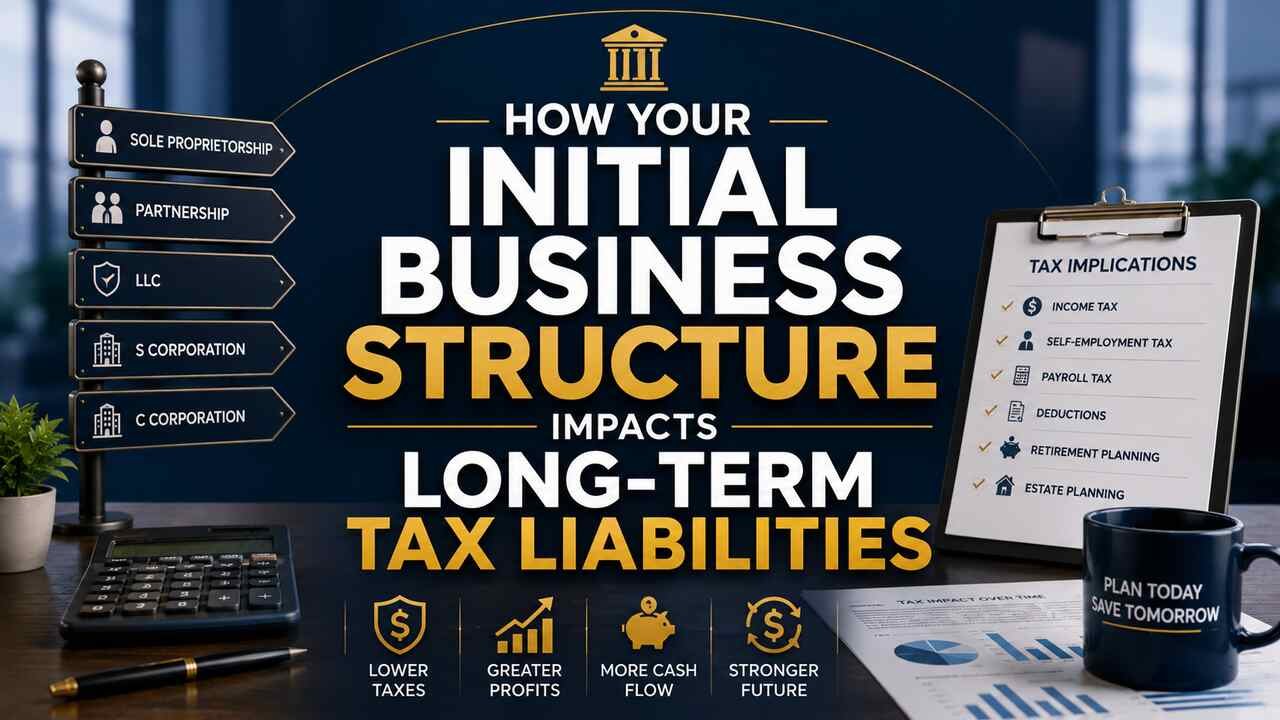
Getting a new enterprise off the ground is an exciting period, often filled with big ideas and rapid decisions. However, founders who rush the administrative side of their startup frequently make foundational errors. When navigating legal registration for a new venture, it is incredibly easy to default to the simplest setup without fully understanding the structural nuances. What seems like a minor paperwork decision today can heavily dictate your operational flexibility and financial health for years to come.
Many entrepreneurs assume they can simply change their business structure later if their company becomes successful. While restructuring is possible, it is rarely straightforward and can trigger significant tax events that erode your capital. Understanding these structural impacts early is the single best way to preserve your future revenue and avoid costly traps.
Because the legal and financial frameworks governing businesses in Australia are highly complex, seeking professional guidance early is essential. Engaging experienced tax lawyers during the initial stages of your setup helps ensure your entity is legally optimized from day one. These professionals can analyze your specific business model and recommend a structure that provides maximum asset protection and long-term tax efficiency, allowing you to scale safely without facing unexpected regulatory hurdles.
The Trap of the Simple Sole Trader Structure
According to recent Australian Bureau of Statistics data, sole traders are the most common business structure in Australia. They account for over 60 percent of all small businesses currently operating in the country. This structure is highly popular because it is incredibly fast to set up and costs very little to maintain. Unfortunately, this simplicity comes with significant long-term financial consequences that many entrepreneurs fail to anticipate.
Official guidelines from the Australian Taxation Office clearly outline these differences, noting that a sole trader pays tax on all business income based on their individual tax rate and is legally responsible for all aspects of the business. In contrast, a company operates as a separate legal entity with its own distinct tax and superannuation obligations. Because individual tax brackets in Australia can reach a top marginal rate of 45 percent, operating as a highly profitable sole trader quickly becomes an expensive choice compared to corporate alternatives.
Why Corporate Entities and Trusts Change the Game
Transitioning from an individual setup to a company or trust introduces valuable asset protection and long-term tax efficiency. For the 2025 to 2026 income year, a reduced corporate tax rate of 25 percent applies to base rate entities. These are typically companies with an aggregated turnover below $50 million and no more than 80 percent passive income.
This capped rate allows growing businesses to reinvest a much larger portion of their profits back into their operations. However, properly structuring a company or a family trust is a highly complex process. A simple oversight in how shares are allocated or how a trust deed is drafted can result in severe compliance issues later down the line. It is vital to get this right before executing any major commercial agreements.
Key Tax and Financial Consequences to Consider
Before you lock in your business structure, you must evaluate how it will interact with future regulatory shifts and government tax concessions. The initial framework you choose will directly influence your ability to manage liabilities as your revenue grows.
Consider the following structural impacts on your long-term commercial wealth:
- Capital Gains Tax Concessions: Massive tax relief is available upon the sale of a business, such as the 15-year exemption or the 50 percent active asset reduction. Qualifying strictly requires an aggregated turnover of less than $2 million or passing a maximum net asset value test.
- Trust Distributions: Regulators have recently intensified their crackdown on family trust distributions under Section 100A. If trust income is routed to adult children on paper but the economic benefit stays with the parents, the arrangement can be invalidated.
- Director Penalty Notices: While a corporate structure protects personal assets, this protection is not absolute. The Director Penalty Notice regime is aggressively used to hold company directors personally liable for unpaid corporate taxes and superannuation guarantee charges.
- Restructure Rollovers: If you start as a sole trader, the Small Business Restructure Rollover allows businesses with a turnover under $10 million to legally transfer active assets to a more appropriate structure without triggering immediate capital gains tax liabilities.
Protecting Your Hard-Earned Growth
Data from the Australian Securities and Investments Commission shows corporate insolvency appointments reached all-time highs across recent periods. The Reserve Bank of Australia recently noted that a notable share of these insolvent firms carried large, unpaid tax debts following the resumption of strict debt enforcement actions.
Setting up your business entity should never be a quick DIY project. By thoroughly understanding the long-term tax liabilities associated with different legal frameworks, founders can avoid the financial risks of improper setup. Taking the time to properly incorporate a company or establish a trust might cost slightly more upfront, but the tax efficiency and asset protection it provides will ultimately safeguard your entire business journey. A proactive approach to entity registration gives you the confidence to focus on what matters most, growing your business and serving your customers.


