









Highlights
- Religion business represents the intersection of belief systems, structured institutions, and economic operations that sustain spiritual communities.
- Organized religion functions through leadership hierarchies, community participation, and resource management similar to institutional frameworks.
- Financial sustainability in religion depends on donations, assets, and service-based contributions that maintain operations and growth.
- Social influence emerges through shared values, cultural practices, and community-driven activities shaped by religious teachings.
- Technology has transformed religious engagement by enabling digital access, global reach, and online participation.
- Ethical concerns such as transparency, accountability, and power distribution remain central to modern religious institutions.
- Psychological and emotional support drives individual participation by offering meaning, stability, and a sense of belonging.
- Future religious systems will evolve through globalization, generational change, and increasing demand for authenticity and flexibility.
- Balanced engagement with religion requires both faith and awareness of institutional dynamics.
Religion business refers to the structured, organized, and often monetized form of spiritual belief systems that operate through institutions, leadership, and social influence while shaping culture, economics, and individual identity across societies.
Religion has always existed as a deeply personal and communal force, but organized structures have transformed belief into systems that function similarly to institutions, markets, and cultural authorities. Religion business explores how faith-based organizations manage resources, influence behavior, and maintain relevance in modern society. You and I both experience religion not only as belief but also as a system that operates through places of worship, leadership hierarchies, donations, and social expectations. When viewed closely, religion business becomes a blend of spirituality, governance, communication, and economics that shapes daily life in subtle and direct ways.
What Defines the Religion Business in Modern Society?

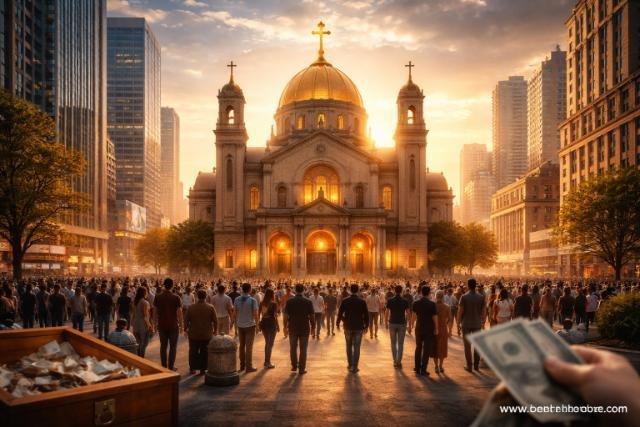
Religion business operates as a structured system where belief, organization, and resources intersect to create influence and continuity. Religious institutions organize followers, establish rituals, and maintain authority through leadership structures that resemble corporate or governmental models. You can observe this in how places of worship are managed, how leaders communicate messages, and how communities are guided through shared values.
Modern society has amplified the operational aspect of religion by integrating technology, media, and global communication. Religious organizations now function across borders, using digital platforms to expand reach and maintain engagement. You may notice how sermons, teachings, and spiritual guidance are now accessible online, turning religion into a scalable system rather than a purely local experience.
Economic elements further define religion business through donations, fundraising, and property management. Financial sustainability allows institutions to maintain infrastructure, support leadership, and expand influence. When you contribute to a religious organization, you participate in a system that combines faith with operational continuity.
How Do Religious Organizations Structure Authority?
Authority within religious systems follows hierarchical models where leadership roles define interpretation and decision-making. Clergy, scholars, and administrators guide followers while maintaining doctrinal consistency.
How Does Community Participation Sustain Religion?
Community participation strengthens religious systems by creating shared identity and collective responsibility. Gatherings, rituals, and contributions reinforce belonging and ensure long-term continuity.
How Does Religion Business Generate Economic Value?
Religion business generates economic value through structured contributions, property ownership, and service-based activities. Donations form the primary financial backbone, allowing institutions to operate, expand, and support social programs. You may see this when contributions are collected during services or through digital platforms.
Religious institutions often manage significant assets, including land, buildings, and educational facilities. These assets create long-term financial stability and enable expansion into various sectors such as education, healthcare, and charity. When you visit large religious complexes, you are witnessing the scale of economic organization involved.
Service offerings such as counseling, education, and community programs also contribute to economic value. Religious organizations provide services that meet emotional, social, and moral needs, creating a form of value exchange that goes beyond money. You engage with these services not just as a participant but as part of a broader ecosystem.
What Role Do Donations Play in Sustainability?
Donations ensure operational continuity by funding infrastructure, salaries, and outreach programs. Consistent contributions allow organizations to plan long-term initiatives and maintain stability.
How Do Religious Assets Influence Growth?
Assets such as land and buildings enable expansion by providing physical space for activities and services. Strategic asset management strengthens institutional influence and reach.
Why Do People Engage with Religion as a System?
People engage with religion because it provides meaning, structure, and a sense of belonging. Religion business creates frameworks that help individuals interpret life events, moral decisions, and personal challenges. You might find comfort in shared beliefs that offer guidance and clarity.
Social connection plays a major role in engagement. Religious communities create networks of support where individuals interact, celebrate, and cope together. When you attend gatherings, you become part of a collective experience that reinforces identity.
Psychological reassurance also drives participation. Religion offers answers to existential questions and provides hope during uncertainty. You may notice how belief systems help people navigate difficult situations by offering emotional stability.
How Does Identity Shape Religious Participation?
Identity connects individuals to shared traditions and values, creating a sense of belonging. Cultural and familial influences often determine initial engagement with religion.
How Does Religion Provide Emotional Stability?
Religion offers structured narratives that help individuals cope with stress and uncertainty. Rituals and teachings create consistency and reassurance during challenging times.
What Are the Ethical Challenges Within Religion Business?
Religion business faces ethical challenges related to power, transparency, and accountability. Leadership authority can sometimes lead to misuse of influence, affecting followers and communities. You may have seen cases where trust is questioned due to lack of oversight.
Financial transparency remains a critical concern. Donations and assets require responsible management to maintain credibility. When financial practices are unclear, trust between institutions and followers can weaken.
Balancing spiritual goals with operational needs also creates ethical tension. Religious organizations must maintain authenticity while managing resources effectively. You can sense this balance when institutions emphasize both faith and functionality.
How Does Power Impact Decision-Making?
Power centralization can influence decisions in ways that may not always reflect collective interests. Leadership accountability becomes essential to maintain fairness.
Why Is Transparency Important in Religious Systems?
Transparency builds trust by ensuring that resources are used responsibly. Clear communication strengthens relationships between leaders and followers.
How Has Technology Transformed the Religion Business?
Technology has transformed religion business by expanding accessibility and communication. Digital platforms allow religious messages to reach global audiences instantly. You can now attend services, listen to teachings, and engage with communities online.
Social media has become a powerful tool for engagement. Religious leaders use platforms to share insights, connect with followers, and maintain relevance. When you scroll through your feed, you may encounter spiritual content that influences your perspective.
Online donations and virtual events have also changed financial and operational dynamics. Technology simplifies contributions and participation, making religion more accessible while maintaining institutional continuity.
How Do Online Platforms Expand Reach?
Online platforms remove geographical barriers, allowing global participation. Virtual services enable individuals to engage regardless of location.
How Does Digital Communication Influence Belief?
Digital communication increases exposure to diverse perspectives, shaping individual understanding. Access to information encourages exploration and critical thinking.
What Is the Social Impact of Religion Business?
Religion business shapes social norms, values, and behaviors within communities. Religious teachings influence cultural practices, ethical standards, and interpersonal relationships. You may notice how traditions and celebrations reflect underlying beliefs.
Community development is another key impact. Religious organizations often provide education, healthcare, and charitable services that support social welfare. When you see community programs, you are witnessing religion’s role in societal development.
Conflict and unity both emerge from religious influence. While shared beliefs can unite communities, differences in interpretation can lead to division. Understanding this dual impact helps you navigate religious dynamics more effectively.
How Does Religion Influence Cultural Practices?
Religion shapes traditions, rituals, and celebrations that define cultural identity. Practices often reflect shared values and historical continuity.
How Do Religious Organizations Support Communities?
Religious organizations provide services that address social needs, including education and charity. These efforts strengthen community resilience and cohesion.
What Is the Future Scope of the Religion Business?


Religion business continues to evolve as society changes. Increasing globalization and cultural exchange are reshaping how belief systems interact and adapt. You may observe how different traditions influence each other in modern contexts.
Younger generations are redefining engagement by seeking authenticity and flexibility. Traditional structures are adapting to meet changing expectations, creating new forms of participation. This shift reflects a move toward personalized spirituality within organized systems.
Sustainability and transparency will play a crucial role in future development. Institutions that balance tradition with innovation are more likely to maintain relevance. You and I will continue to witness how religion business adapts to technological, social, and cultural transformations.
How Are Younger Generations Changing Religion?
Younger generations prioritize personal connection and authenticity over rigid structures. Flexible approaches to belief are becoming more common.
What Trends Will Shape Future Religious Systems?
Technology, globalization, and transparency will define future development. Adaptive institutions will maintain relevance in evolving societies.
Conclusion
Religion business represents the intersection of belief, organization, and influence within society. Structured systems enable religion to operate effectively while shaping individual and collective experiences. Economic, social, and technological factors continue to transform how religion functions in modern contexts. Understanding these dynamics allows you to engage with religion more consciously, balancing faith with awareness and participation with critical thinking.
If you want to explore how we help businesses grow from the ground up, you can visit yourbusinessbureau.com to see what we offer.
FAQ’s
Religion business refers to the organized and operational aspects of religion, including institutions, leadership, and financial systems that sustain belief communities.
Religion exists as both a spiritual experience and an institutional system that manages resources, authority, and community engagement.
Religious organizations generate income through donations, fundraising, and management of assets such as property and services.
Religion business influences social values, cultural practices, and community development through teachings and organized activities.
Technology is expanding accessibility and communication, allowing religion to reach global audiences and adapt to modern expectations.
Critical thinking helps individuals understand how religious systems operate while maintaining personal belief and integrity.


