


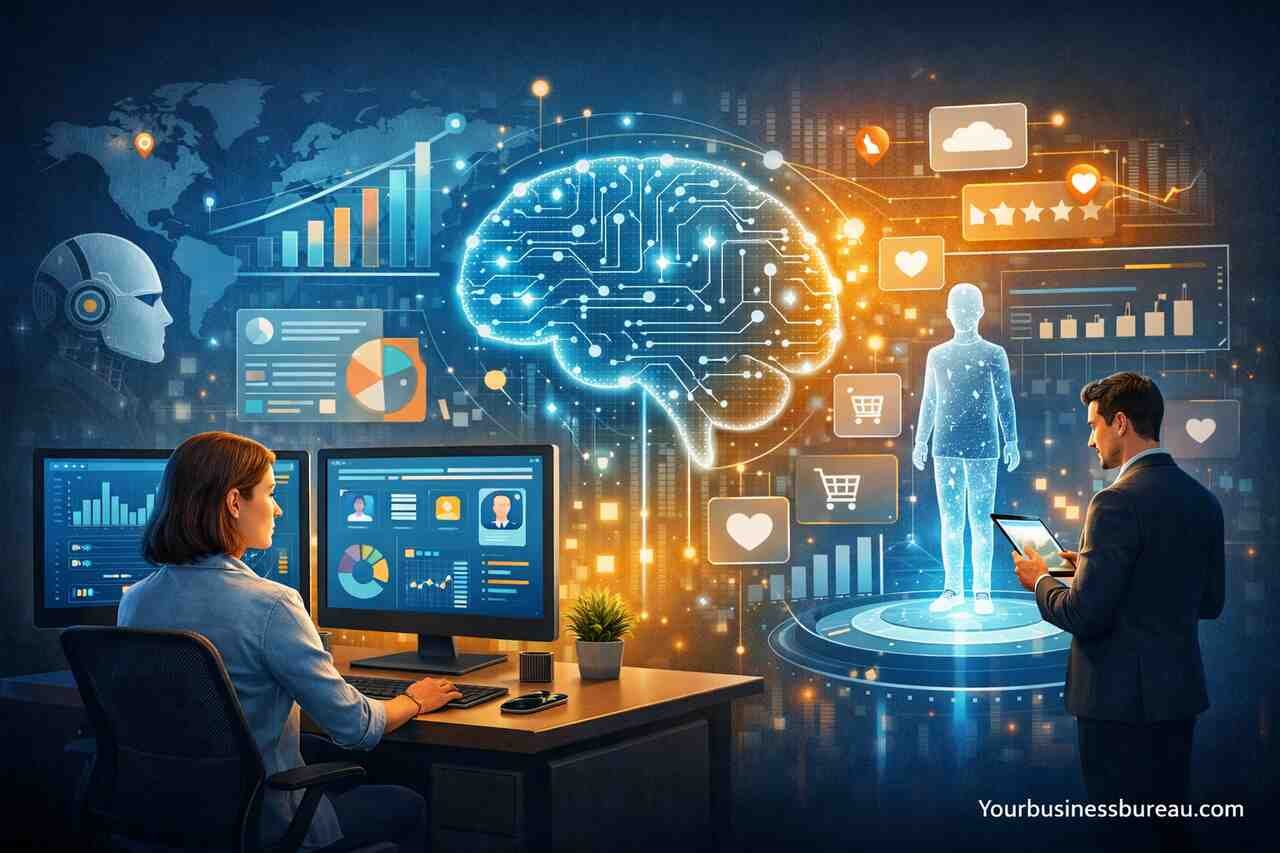
Businesses no longer rely only on surveys, focus groups, or basic sales reports to understand what customers want. Today, intelligent software helps companies read patterns in behavior as they happen, often across websites, apps, social media, customer service channels, and in-store interactions. This shift is changing how organizations interpret consumer behavior, make decisions, and build stronger customer relationships.
At its core, consumer behavior is about understanding why people choose one product over another, what influences trust, when interest turns into action, and what causes buyers to leave. Intelligent software makes that process faster, deeper, and more accurate by turning large amounts of raw data into meaningful insights.
Why Consumer Behavior Analysis Matters More Than Ever
Consumer expectations are higher than they were a decade ago. People want personalized experiences, faster support, better recommendations, and seamless buying journeys. At the same time, businesses face more competition, more channels, and more data than ever before.
Traditional methods of customer analysis often struggle in this environment because they are:
- Slow to produce results
- Limited by small sample sizes
- Based on past behavior instead of live activity
- Dependent on manual interpretation
Intelligent software changes this by identifying patterns at scale. It helps businesses see what customers are doing, what they are likely to do next, and which factors are influencing those decisions.
What Is Intelligent Software in Consumer Analysis?

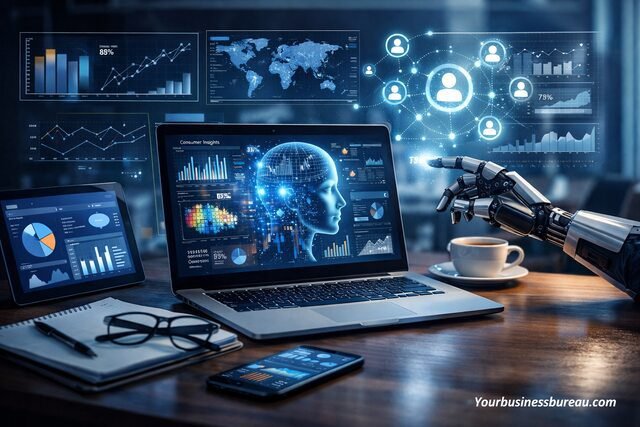
Intelligent software refers to digital systems that use technologies such as machine learning, predictive analytics, natural language processing, and automation to analyze data and support decision-making.
In the context of consumer behavior, these tools can examine:
- Purchase history
- Browsing activity
- Click patterns
- Cart abandonment trends
- Product preferences
- Customer feedback
- Social media sentiment
- Support conversations
Instead of simply collecting data, intelligent systems interpret it. That is the major difference. They do not just report what happened. They help explain why it happened and what may happen next.
Featured Snippet: How Does Intelligent Software Help Businesses Understand Consumer Behavior?
Intelligent software helps businesses understand consumer behavior by analyzing large data sets, detecting hidden patterns, and predicting future actions. It turns customer interactions into insights that improve marketing, sales, personalization, and retention.
From Data Collection to Behavioral Interpretation
Many companies already gather customer data, but raw data alone has limited value. The real advantage comes from interpretation. Intelligent software connects separate actions into a broader behavioral picture.
For example, a customer may visit a pricing page three times, read reviews, compare similar products, and then leave without purchasing. A traditional report might only log page visits. Intelligent software can interpret this as high purchase intent mixed with hesitation, possibly caused by price sensitivity, lack of trust, or comparison shopping.
This deeper layer of interpretation helps businesses act more strategically. They can respond with targeted offers, social proof, improved onboarding, or clearer product messaging.
How Intelligent Software Changes Business Decision-Making
It Enables Real-Time Insight
One of the biggest advantages of intelligent systems is speed. Businesses no longer need to wait weeks for reports to understand what is happening. Real-time analytics make it possible to respond to changing customer behavior as it occurs.
This is especially valuable in e-commerce, digital advertising, and subscription-based services where customer decisions happen quickly.
It Improves Personalization
Consumers respond better to experiences that feel relevant. Intelligent software can segment audiences based on behavior, interests, purchase history, and engagement patterns. This allows companies to show the right content, product, or offer to the right person at the right time.
Personalization is no longer just about adding a first name to an email. It now includes product recommendations, dynamic website content, tailored messages, and predictive offers based on likely intent.
It Predicts Future Behavior
Predictive analytics allows businesses to estimate what customers may do next. This includes identifying who is likely to buy, cancel, upgrade, or stop engaging.
That insight supports better forecasting and smarter resource allocation. Sales teams can focus on high-intent leads, while customer success teams can intervene before churn happens.
It Reveals Hidden Customer Friction
Businesses often lose customers because of small points of friction they fail to notice. Intelligent software can uncover these issues by analyzing user journeys and behavioral drop-off points.
For example, it may reveal that customers abandon purchases after viewing shipping fees, or that app users stop engaging after a confusing setup screen. These are practical insights that directly improve conversion and retention.
The Role of AI in Sentiment and Intent Analysis
Consumer behavior is not only about what people do. It is also about how they feel and what they mean. This is where natural language processing and sentiment analysis play a growing role.
Intelligent tools can analyze customer reviews, chatbot logs, support tickets, and social posts to detect:
- Frustration
- Satisfaction
- Urgency
- Purchase intent
- Brand perception
- Common objections
This gives businesses a more complete understanding of customer needs. A company that follows the latest AI analytics insights can detect shifting attitudes early and adapt its communication, service, or product strategy before problems grow.
Featured Snippet: What Are the Main Benefits of Intelligent Software for Consumer Behavior Analysis?
The main benefits include faster insights, better personalization, stronger prediction, and clearer understanding of customer needs. Intelligent software helps businesses make decisions based on real behavior rather than assumptions.
Industries Seeing the Biggest Impact
While nearly every sector can benefit, some industries are seeing especially strong results from intelligent consumer analysis.
Retail and E-commerce
Retailers use intelligent systems to recommend products, optimize pricing, track purchase journeys, and reduce cart abandonment. These insights help improve both online and offline customer experiences.
Financial Services
Banks and fintech companies use behavioral analytics to personalize offers, detect fraud patterns, and understand digital customer journeys. This improves trust, relevance, and security.
Healthcare and Wellness
Healthcare platforms use intelligent software to analyze user engagement, patient communication, and appointment behavior. This can support better service design and stronger long-term engagement.
Media and Entertainment
Streaming platforms and publishers rely on intelligent algorithms to understand viewing habits, content preferences, and engagement triggers. This shapes content recommendations and subscription strategies.
Challenges Businesses Must Consider
Although intelligent software offers major advantages, it also comes with important challenges.
Data Privacy and Trust
Consumers want personalization, but they also care about privacy. Businesses must use data responsibly, follow regulations, and be transparent about how information is collected and used.
Over-Reliance on Automation
Intelligent tools are powerful, but they should support human judgment, not replace it entirely. Context still matters. A data point may suggest one thing while customer psychology or market conditions suggest another.
Data Quality
Even the most advanced software depends on good input. Poor, incomplete, or biased data can lead to inaccurate conclusions. Businesses need clean systems, strong governance, and clear measurement frameworks.
What the Future Looks Like
The future of consumer behavior analysis will likely become even more predictive, contextual, and personalized. Intelligent software is moving from passive reporting to active decision support. Businesses will increasingly use it not only to understand past behavior but also to shape future experiences in smarter ways.
As systems become more connected, companies will gain a fuller view of the customer journey across devices, channels, and touchpoints. This creates opportunities for better service, more relevant communication, and stronger long-term loyalty.
However, the winners will not be the businesses with the most data. They will be the ones that know how to interpret it wisely and act on it responsibly.
Conclusion
Intelligent software is changing the way businesses interpret consumer behavior by turning complex data into clear, actionable insight. It helps organizations move beyond guesswork, respond faster to customer needs, and build experiences based on real patterns rather than assumptions.
From personalization and predictive analytics to sentiment analysis and journey mapping, these tools are reshaping how modern companies understand their audiences. Businesses that embrace this shift thoughtfully will be better positioned to improve customer satisfaction, increase conversions, and stay competitive in a market where behavior changes quickly.
If you want to explore how we help businesses grow from the ground up, you can visit yourbusinessbureau.com to see what we offer.


