







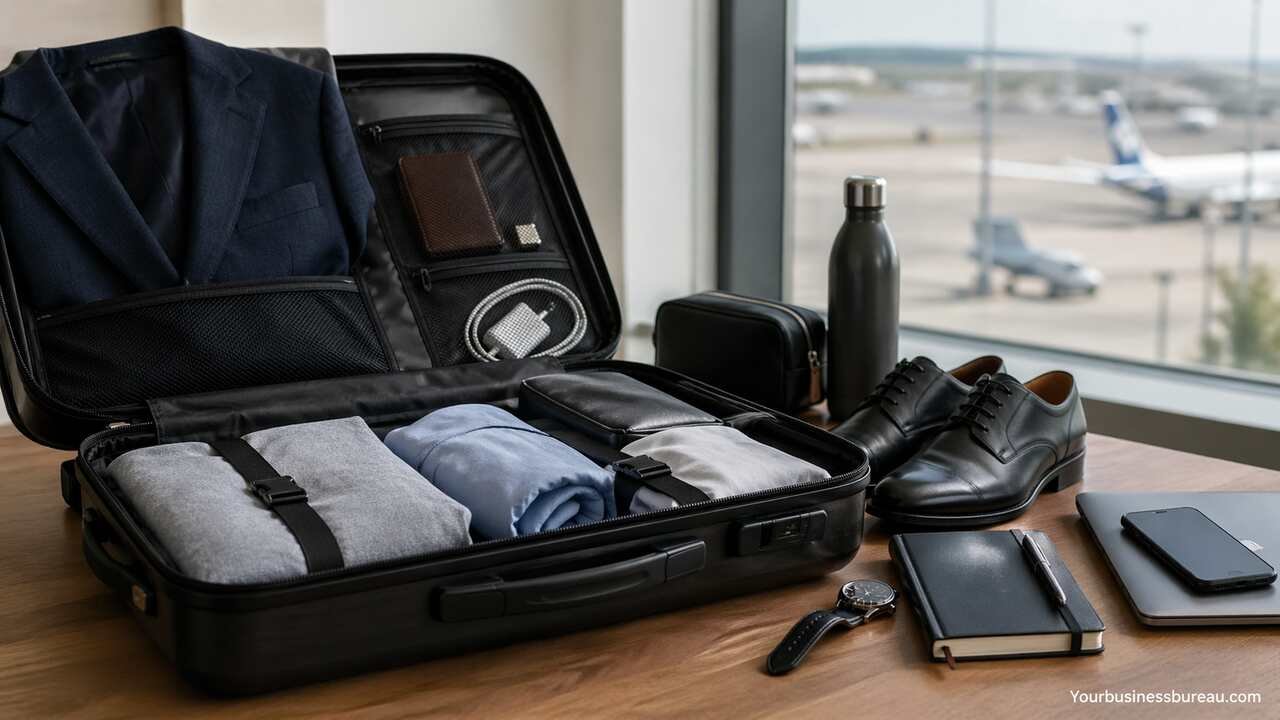
Highlights
- Smart packing improves productivity, reduces stress, and saves time during business trips
- Choosing the right luggage especially a well-organized backpack makes travel smoother
- Packing essentials should be divided into work items, clothing, toiletries, and extras
- Efficient techniques like rolling clothes and using packing cubes maximize space
- Keeping electronics organized ensures you stay connected and prepared
- Dressing smart with versatile outfits helps maintain a professional image without overpacking
- Avoiding common mistakes (like forgetting chargers or overpacking) enhances travel efficiency
- Minimalist packing leads to faster movement through airports and easier hotel transitions
Introduction
Business travel isn’t just about reaching your destination it’s about arriving prepared, organized, and ready to perform. Whether you’re heading to a high-stakes meeting or attending a global conference, the way you pack can significantly impact your productivity and confidence.
Smart packing goes beyond fitting items into a suitcase. It involves strategic planning, understanding your itinerary, and choosing the right tools to keep everything accessible. In this guide, you’ll learn how to pack efficiently for business trips, avoid common mistakes, and travel like a professional.
Why Smart Packing Matters for Business Travelers
Packing smart is essential because business trips often come with tight schedules and little room for error. Unlike leisure travel, you don’t have the luxury of forgetting essentials or wasting time searching for items.
Key Benefits:
- Saves time during security checks and hotel check-ins
- Keeps important documents and devices organized
- Reduces stress and mental clutter
- Enhances your professional appearance
Professionals traveling through major hubs like Heathrow Airport or Dubai International Airport often rely on efficient packing to navigate busy environments seamlessly.
Choosing the Right Luggage
The foundation of smart packing starts with selecting the right bag. For short business trips, a carry-on is often sufficient and eliminates the risk of lost luggage.
What to Look For:
- Lightweight and durable material
- Multiple compartments for organization
- Easy mobility (wheels or ergonomic straps)
- TSA-friendly laptop compartments
A well-designed business travel backpack is particularly useful for professionals who need quick access to gadgets, documents, and travel essentials without sacrificing comfort or style.
Essential Items to Pack for Business Travel

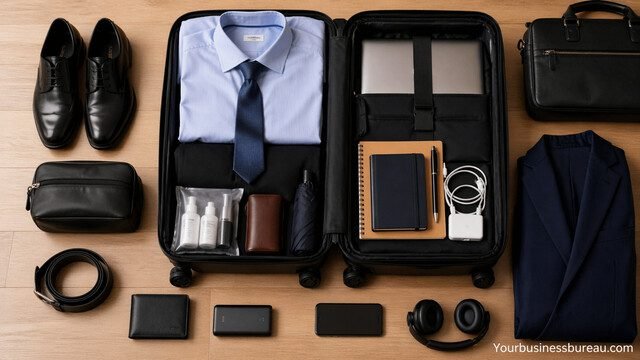
Packing the right items ensures you’re prepared for both professional and personal needs.
Work Essentials:
- Laptop and charger
- Mobile phone and power bank
- Important documents (digital and physical copies)
- Notebook and pen
Clothing:
- Wrinkle-resistant formal wear
- One extra outfit for emergencies
- Comfortable travel clothes
- Sleepwear
Toiletries:
- Travel-sized grooming kit
- Toothbrush, toothpaste, deodorant
- Skincare essentials
Extras:
- Reusable water bottle
- Snacks for long journeys
- Noise-canceling headphones
How to Pack Efficiently
Efficient packing is about maximizing space while keeping everything accessible.
Proven Techniques:
Use Packing Cubes
Packing cubes help categorize items and make unpacking easier. You can separate work clothes, casual wear, and accessories.
Roll Instead of Fold
Rolling clothes saves space and reduces wrinkles, especially for shirts and trousers.
Follow the 3-3-3 Rule
- 3 tops
- 3 bottoms
- 3 pairs of socks/underwear
This minimalist approach works well for short trips.
Keep Essentials Accessible
Items like passports, boarding passes, and electronics should be stored in easily reachable compartments.
Organizing Your Electronics
Modern business travel heavily depends on technology. Keeping your devices organized is crucial.
Tips:
- Use cable organizers to avoid tangled wires
- Carry a universal adapter for international travel
- Back up important files before departure
- Keep devices charged and ready
Frequent flyers using services like Apple Inc. devices or Dell Technologies laptops often rely on compact tech organizers to streamline their workflow on the go.
Dressing Smart While Packing Light
Maintaining a professional appearance without overpacking is a key skill.
Strategies:
- Choose neutral colors that mix and match easily
- Pack multi-purpose clothing (e.g., blazer for meetings and dinners)
- Opt for wrinkle-resistant fabrics
- Wear bulky items (like jackets) during travel
This approach ensures you’re prepared for meetings, dinners, and unexpected events without carrying excessive luggage.
What Are the Best Packing Tips for Business Travel?
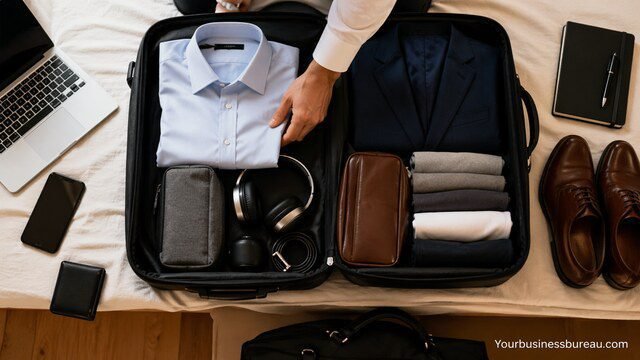
The best packing tips include using packing cubes, rolling clothes, choosing versatile outfits, and keeping essential items easily accessible. Prioritize efficiency and organization over quantity.
How Can I Avoid Overpacking for Business Trips?
Stick to a minimalist packing list, plan outfits in advance, and limit yourself to carry-on luggage. Focus on essentials and avoid “just in case” items.
Common Mistakes to Avoid
Even experienced travelers make packing mistakes. Avoid these pitfalls:
- Packing too many clothes
- Forgetting chargers or adapters
- Not checking airline baggage policies
- Ignoring weather conditions at your destination
- Overloading your carry-on
Learning from these mistakes can make future trips smoother and more enjoyable.
Final Thoughts
Smart packing is a skill that improves with experience, but with the right strategies, you can master it quickly. By focusing on efficiency, organization, and practicality, you’ll not only travel lighter but also perform better during your business trips.
Whether you’re navigating international airports, attending meetings, or working remotely from a hotel, being well-prepared gives you a competitive edge. Invest in the right tools, refine your packing system, and approach every trip with confidence.
In the fast-paced world of business travel, smart packing isn’t optional, it’s essential.
If you want to explore how we help businesses grow from the ground up, you can visit yourbusinessbureau.com to see what we offer.


