








Highlights
- Packaging is more than protection it’s a critical part of your brand storytelling and customer experience
- A cohesive brand identity across packaging builds trust, recognition, and emotional connection
- Consistency in colors, typography, and messaging strengthens brand recall
- Custom elements like stickers, inserts, and textures enhance the unboxing experience
- Story-driven packaging transforms ordinary products into memorable brand interactions
- Social media has made unboxing experiences a powerful marketing channel
- Sustainable packaging aligns your brand with modern consumer values
- Avoiding design inconsistency and overcomplication is key to maintaining professionalism
- Every touchpoint from website to packaging should feel unified and intentional
Introduction
In today’s competitive marketplace, packaging is no longer just a protective layer it’s a storytelling tool. From the moment a customer sees your product to the instant they unbox it, every detail contributes to their perception of your brand. Companies like Apple Inc. and Coca-Cola have mastered the art of cohesive brand experience through packaging, turning simple products into memorable interactions.
For entrepreneurs, creating that same level of brand consistency can be a game-changer. Packaging is often your first physical touchpoint with customers, and when done right, it builds trust, recognition, and loyalty.
Why Packaging Is Central to Brand Experience

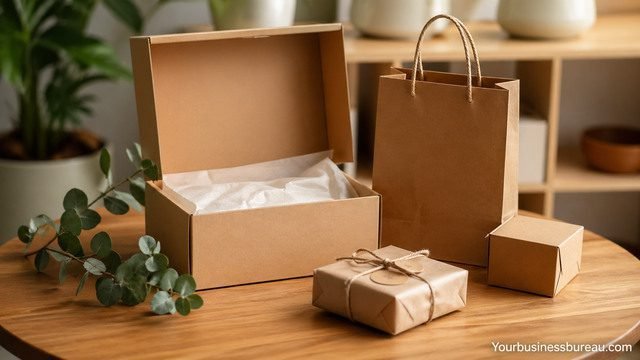
Packaging goes beyond aesthetics; it communicates your brand values, personality, and promise. A cohesive brand experience ensures that every interaction aligns with your identity.
Key Benefits of Cohesive Packaging
- Brand Recognition: Consistent visuals make your product instantly identifiable
- Customer Trust: Professional packaging signals quality and reliability
- Emotional Connection: Thoughtful design creates memorable experiences
- Competitive Edge: Unique packaging differentiates your brand in crowded markets
When your packaging aligns with your website, social media, and marketing materials, it reinforces a unified brand identity.
Understanding Your Brand Identity First
Before designing packaging, you need clarity on your brand identity. Ask yourself:
- What are your core values?
- What emotions do you want customers to feel?
- Who is your target audience?
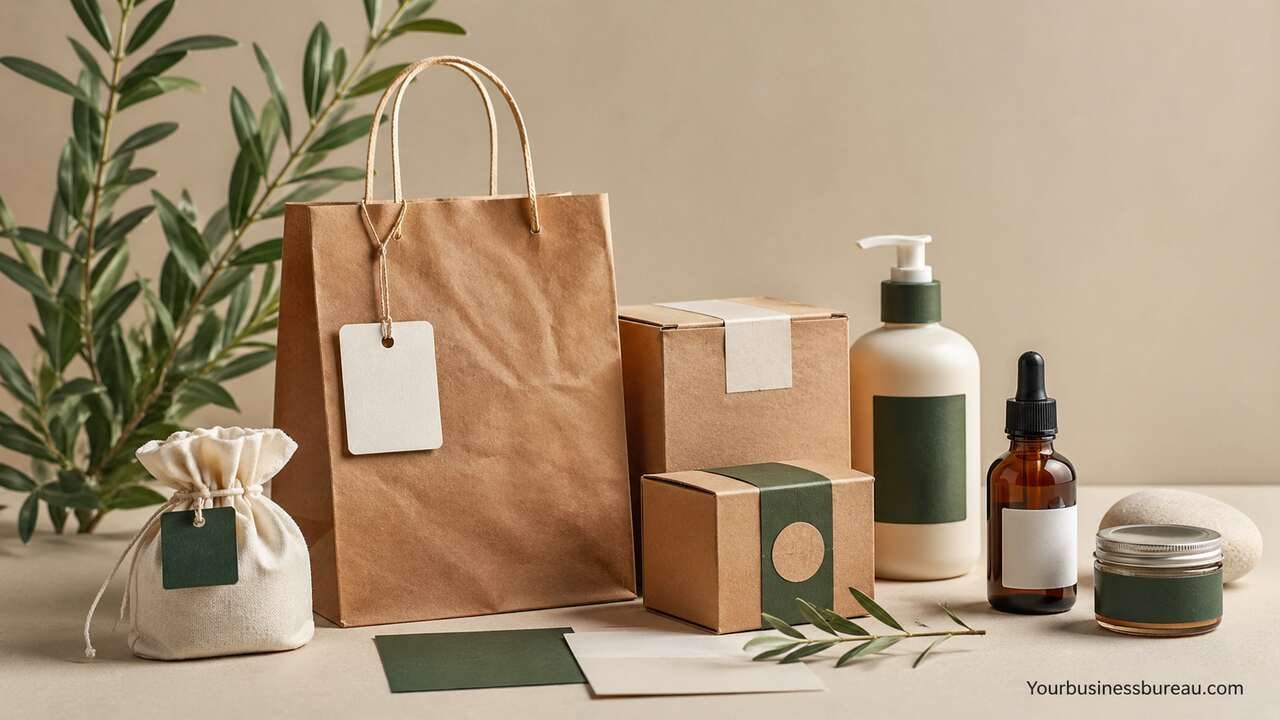
For example, a sustainable brand may use eco-friendly materials and earthy tones, while a luxury brand might opt for minimalistic designs with premium finishes.
Elements of Brand Identity in Packaging
- Color Palette: Consistent with your brand guidelines
- Typography: Reflects your tone (modern, playful, elegant)
- Logo Placement: Clear and recognizable
- Messaging: Aligned with your brand voice
Designing Packaging That Tells a Story
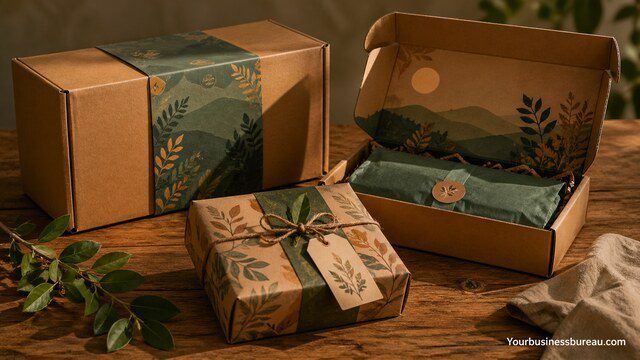
Great packaging doesn’t just look good, it tells a story. Think of brands like Nike, which uses packaging to reinforce its message of performance and innovation.
How to Create Story-Driven Packaging
- Use Visual Hierarchy: Guide the customer’s eye through design elements
- Incorporate Brand Messaging: Include taglines or mission statements
- Leverage Texture and Materials: Enhance tactile experience
- Add Personal Touches: Handwritten notes or custom inserts
Storytelling through packaging transforms a simple purchase into an experience.
The Role of Customization in Branding
Customization is one of the most effective ways to create a cohesive brand experience. It allows you to tailor packaging elements to reflect your brand personality.
One popular option for small businesses is using Kiss Cut Stickers to add branded elements to packaging. These stickers are easy to peel and perfect for showcasing logos, slogans, or creative designs, helping reinforce brand identity without significantly increasing costs.
Benefits of Custom Packaging Elements
- Cost-effective branding solution
- Flexibility in design updates
- Enhanced unboxing experience
- Increased brand recall
Creating a Memorable Unboxing Experience
The unboxing experience has become a powerful marketing tool, especially in the age of social media platforms like Instagram and TikTok.
What Makes an Unboxing Experience Stand Out?
- Layered Packaging: Boxes within boxes create anticipation
- Branded Inserts: Thank-you cards or product guides
- Scent and Texture: Multi-sensory engagement
- Consistency: Every element feels connected
Customers are more likely to share visually appealing packaging online, giving your brand organic exposure.
Sustainability: A Modern Branding Necessity
Today’s consumers are increasingly conscious of environmental impact. Brands that incorporate sustainable packaging not only reduce their footprint but also strengthen their reputation.
Sustainable Packaging Strategies
- Use recyclable or biodegradable materials
- Minimize excess packaging
- Communicate sustainability efforts clearly
- Partner with eco-friendly suppliers
Companies like Patagonia have built strong brand loyalty by aligning packaging with their environmental values.
Consistency Across All Touchpoints
A cohesive brand experience doesn’t stop at packaging; it extends across all customer touchpoints.
Ensure Alignment With:
- Website design
- Social media visuals
- Email marketing
- Product presentation
When customers move from your online store to receiving your product, the transition should feel seamless and familiar.
Common Packaging Mistakes to Avoid
Even well-intentioned entrepreneurs can fall into these traps:
- Overcomplicating Design: Too many elements can confuse customers
- Ignoring Functionality: Packaging must protect the product
- Inconsistent Branding: Mismatched colors or fonts weaken identity
- Neglecting Customer Experience: Difficult-to-open packaging frustrates users
Avoiding these mistakes ensures your packaging enhances rather than detracts from your brand.
What Is a Cohesive Brand Experience?
A cohesive brand experience ensures that all brand elements visuals, messaging, and interactions are consistent across every customer touchpoint, including packaging, marketing, and product design.
Why Is Packaging Important for Branding?
Packaging is important because it shapes first impressions, communicates brand values, and enhances customer experience, ultimately influencing purchasing decisions and brand loyalty.
Conclusion
Creating a cohesive brand experience through packaging is not just about design it’s about strategy, storytelling, and consistency. For entrepreneurs, it’s an opportunity to turn ordinary products into extraordinary experiences.
By aligning packaging with your brand identity, investing in customization, and focusing on customer experience, you can build a memorable and impactful brand presence. In a world where consumers value authenticity and connection, thoughtful packaging can be your most powerful marketing tool.
If you want to explore how we help businesses grow from the ground up, you can visit yourbusinessbureau.com to see what we offer.


