





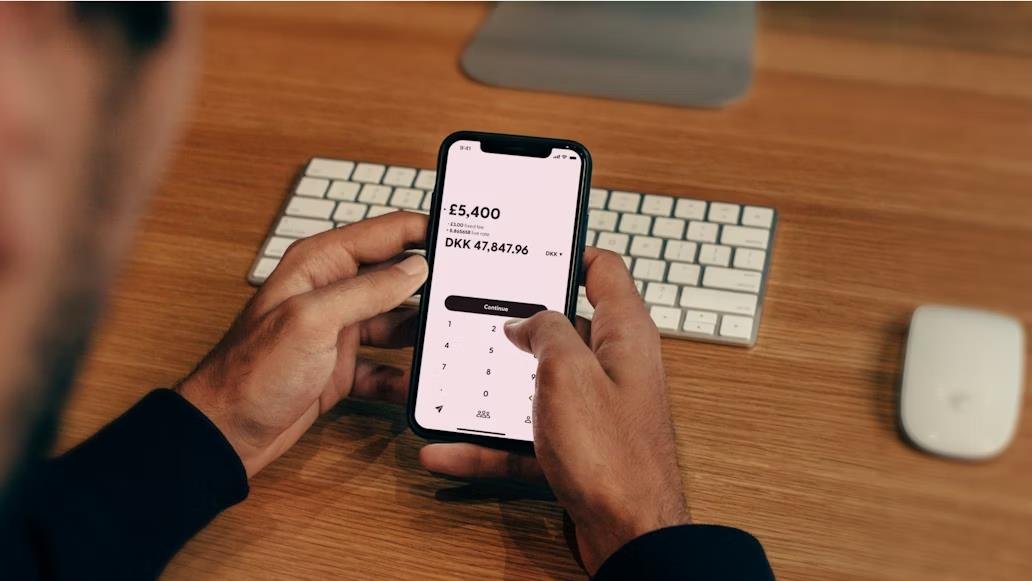
Sending money abroad should be simple.
Millions rely on instant digital remittance services every day. Expensive errors and hidden fees silently drain every transaction . . . without customers even noticing.
Here’s the truth…
Many users have no idea how much they stand to lose. Whether you’re sending for the first time or just learning how to maximize your paypal to gcash fees and process for this new instant digital corridor, starting right can make a big difference in how much money arrives.
Here’s What’s Covered:
- Why Transfer Fees Are Bigger Than They Look
- The 5 Most Common Mistakes People Make
- How To Pick the Right Instant Digital Remittance Provider
- Quick Tips To Keep More Money in Every Transfer
Why Transfer Fees Are Bigger Than They Look
The majority of customers look at the flat rate and think that is all they will pay. Think again.
Transfer providers make money in 2x main ways:
- Flat transfer fees: A fixed charge applied per transaction
- Exchange rate markups: A hidden margin built directly into the currency conversion
That second one is where the real money disappears.
Advertisers can claim “zero fees” and still take a huge markup in the exchange rate. This (illegal) technique — called “drip pricing” — only shows you the full cost once you’re at the confirm screen. At which point most people proceed and confirm anyway.
The global cost to send $200 worldwide is currently 6.49% (as of Q1 2025). That’s not even close to the UN Sustainable Development Goal target of 3%. That’s real money exiting the system with every transaction.
The savings realized on a $1,000 transfer using a specialist digital platform vs. a bank could be $50 or more.
Banks charge an average of 9.50% in total transfer costs, whereas digital specialist providers only charge 3.65%. Over the course of a year, that can equate to a lot of money for regular international senders.
Pretty eye-opening, right?
The 5 Most Common Mistakes People Make
These mistakes appear over and over — and every single one is avoidable.
Mistake 1: Only Looking at the Fee
The fee is only part of the story. Most of the cost is obscured by the exchange rate.
Always compare what rate the provider is offering you versus the mid-market rate (AKA the “true” rate from Google / XE). The difference between those two numbers is how much they are silently charging you. A platform that charges a low flat fee but has a terrible exchange rate could end up costing you much more than one that charges a slightly higher fee but a reasonable rate.
Mistake 2: Not Comparing Providers
There is no one-size-fits-all ‘best’ instant digital platform for every sending corridor. Rates and fees vary depending on:
- The sending and receiving country pair
- The payment method used to fund the transfer
- The payout method on the receiving end (bank deposit, mobile wallet, or cash)
Spending just 5 minutes comparing 3x providers before sending is almost always worth it.
Mistake 3: Funding With a Credit Card
Credit cards nearly always incur additional fees – both from the card issuer and from the transfer service itself. Transfers from bank account or debit card are almost always the most economical option.
It’s one of the simplest savings available and most senders completely overlook it.
Mistake 4: Sending Without Verifying Recipient Details
This is the mistake that causes genuine damage.
One incorrect number in an account can mean a transfer doesn’t reach its destination on time, or at all. It can be difficult, if not impossible, to retrieve those funds. Verifying the recipient information before hitting submit – always and every time – will take you 30 seconds and can save you a major headache.
Mistake 5: Ignoring Rate Timing
Exchange rates fluctuate minute by minute, day by day. Most real time mobile money transfer services have rate alert notifications built into their apps. Set yours and your transfers will only be sent when the rate is right — not when it’s convenient.
This small habit can make a noticeable difference on larger amounts.
How To Pick the Right Instant Digital Remittance Provider
Not all platforms are created equal. Here’s what to evaluate before committing to one:
- Speed: Instant digital remittance or does it take 3-5 business days?
- Total cost: Verify both the flat fee as well as the exchange rate margin — not individually
- Allowed payout methods: Can they pickup cash, mobile wallet or bank deposit?
- Regulation: Is the provider properly licensed in the countries it operates in?
- Transparency: Are all fees clearly displayed before the final confirmation screen?
Digital Remittances Market size was estimated at USD 24.48 billion in 2024. It is projected to grow at a CAGR of 16.7% during the forecast period (2024-2030). This competition is pushing providers to improve on price and speed like never before.
However, competition alone doesn’t ensure you’ll always get the best deal. That relies on comparison before every send.
Quick Tips To Keep More Money in Every Transfer
Here is what consistently works:
- Compare before every transfer — rates change regularly and loyalty rarely pays
- Fund via bank account — avoid the credit card surcharge wherever possible
- Check the exchange rate against the mid-market rate, not just the advertised fee
- Set up rate alerts — time larger transfers when conditions are favorable
- Verify recipient details twice — account number, routing code, and name before confirming
- Use a specialist platform — not a bank, for international and cross-border payments
None of these steps takes very much time. However, every step adds up to significant savings. Particularly if you’re someone who sends money monthly.
The Bottom Line on Smarter Transfers
Mobile money transfers allow you to send money online instantly and cheaper than ever before.
But cheaper doesn’t mean free — and convenient doesn’t always mean smart.
There’s no silver bullet provider out there that will save you the most money. To slash fees, know how they work, compare apples-to-apples and build some simple habits into every trade.
The money lost on avoidable fees adds up faster than most people realise.
Compare providers. Check the exchange rate. Verify the recipient details before confirming. That’s how money stops disappearing on the way — and starts arriving in full.


