





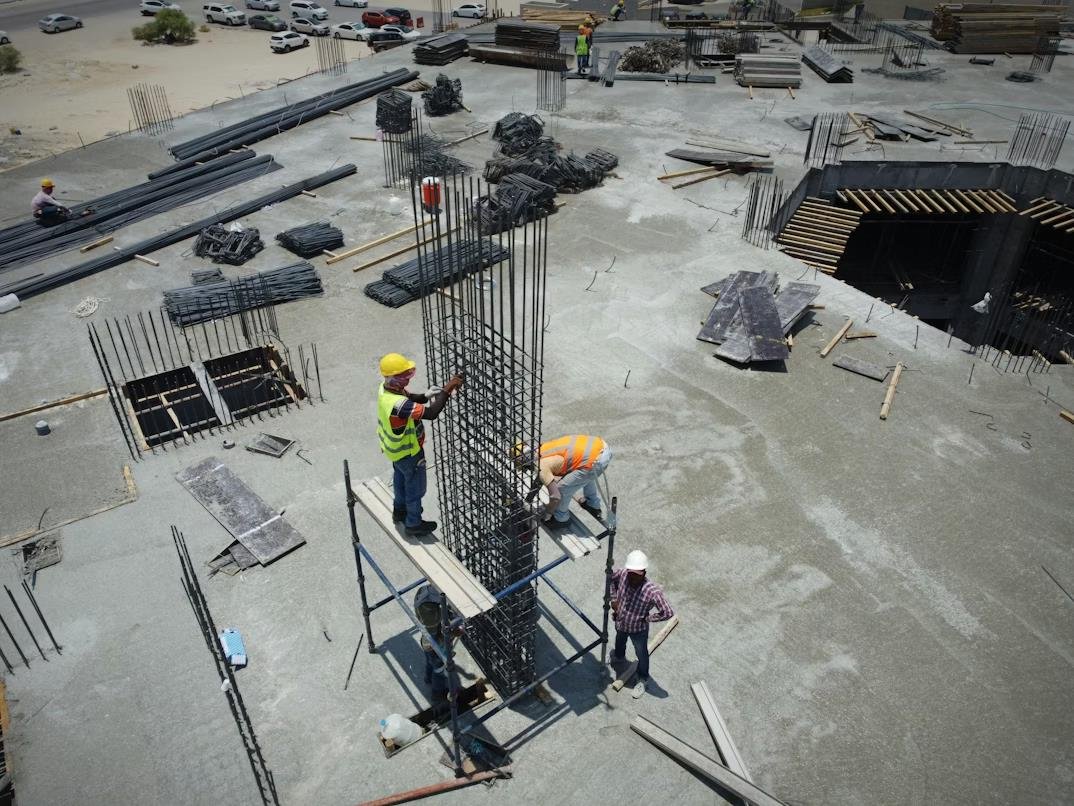
In engineering, finding the sweet spot between safety and productivity is a constant struggle. Many companies have played it safe in the past, worried about missing targets if things go off track. This way of thinking can lead to a reluctance to try new ideas, which in turn can put the brakes on creativity and new ways of solving problems. Usually, it’s all about hitting short-term goals, with every minute counted, so no one feels like they have the space to experiment.
A deeper understanding of the relationship between safety and productivity in engineering reveals that getting both safety and productivity working together is hugely important. Organizations that allow people to take sensible risks, without fear of being criticized when things don’t come off, often end up with more creative solutions and fresh approaches. It’s not just about hitting your numbers; it’s having space to pursue new ideas, even if they don’t always go to plan. When this kind of culture is in place, it’s easier to attract and keep the best people, and it sets you up for ongoing success.
Understanding the Creativity-Productivity Trade-off
Playing it safe is a common habit on engineering teams, and it can quietly smother creative thinking. If everyone is measured by how quickly they deliver results, there’s little motivation to try out new approaches or suggest ideas that might not go anywhere. People naturally start worrying about deadlines and meeting targets, so the safest option often wins, even if that means missing out on game-changing innovations.
To shift things, it helps to build an environment where sensible risks are welcome and mistakes are seen as part of getting better. This doesn’t mean taking chances for the sake of it. Instead, it’s about allowing experiments where the possible benefits are worth the trouble, and knowing that setbacks along the way aren’t a career ender. Praising initiative, not just results, keeps teams thinking creatively while still recognising that everyone is responsible for their work.
Leaders have an important role here. They need to make it clear when it’s time to stick closely to proven methods, and when there’s leeway to try something less certain. It also makes a real difference to celebrate those who take bold swings, even if things go a bit pear-shaped. Regular reviews after projects don’t just point out what went wrong, but help teams take concrete lessons for next time. By getting this balance right, engineering teams can stay flexible, learn quickly, and handle both routine work and blue-sky thinking without getting stuck in a rut.
Smart Engineering Solutions for Safety and Efficiency
Smart engineering isn’t just about gadgets – it’s about creating safer workplaces and keeping things running like clockwork. These days, industries rely heavily on clever systems for gas detection and automatic monitoring to manage risk and keep operations ticking along smoothly.
Take real-time gas detection for example. By spotting dangerous gases the instant levels become unsafe, these systems give teams a fighting chance to tackle risks before anyone comes to harm. On top of that, automated monitoring tools quietly keep watch around the clock, flagging anything odd and making sure any problems are dealt with sharpish.
Reliable safety systems don’t just tick a box for regulations. When they work hand in hand with sensible design and regular checks, everyone can breathe a bit easier knowing the workplace is safer. Plus, well-set-up engineering solutions boost productivity by reducing downtime and helping sites run more efficiently.
Another big win: these smart systems make it simpler for businesses to scale up and change with demand, without constant headaches from breakdowns or compliance worries. With everything joined up, teams can hit their efficiency targets and look after both their staff and the environment. When you combine fresh thinking with know-how, you get engineering that doesn’t just keep the lights on – it helps your whole operation thrive.
Balancing Safety Standards and Innovation
Getting compliance right with safety standards is far from a box-ticking exercise—it sets the scene for creative leaps in engineering. Sticking with proven safety guidelines lets organisations tap into everything from smart gas sensors to fully automated monitoring solutions. These aren’t just flashy add-ons; they help keep risks in check and free up teams to think bigger without worrying about safety taking a back seat.
Building safety into design doesn’t take the fun out of engineering. In fact, it opens the door for new ideas, offering stability you can build on as you push for the next breakthrough.
If you want growth that lasts, your systems have to be designed with both safety and the capacity to expand in future. It’s all about mixing solid compliance with a real understanding of where technology is heading, so solutions work for today but also flex as things change. Adopting adaptable engineering practices gives you systems ready for bigger challenges, more data, and shifts in workload without skipping a beat as your business grows.
Maximal Engineer’s method shows how focusing on scalable, safety-conscious engineering means your tech will keep pace with demand and stay reliable along the way. With this strategic mindset, you can let innovation flow and keep standards high, so you never have to choose between progress and peace of mind.
Creating a Culture of Safe Experimentation
Celebrating fresh ideas, even the ones that miss the mark, is vital if you want a team that feels safe enough to experiment. If everyone thinks success means never messing up, people will hold back. That’s why shining a light on brave efforts and imaginative thinking, regardless of the end result, helps keep the creative spark alive.
When teams are rewarded for giving things a go and stepping outside their comfort zone, they’re far less likely to settle for “good enough.” For example, running hackathons or handing out prizes for wild, original concepts—regardless of whether they’re a hit—can give your team a real boost and inspire more inventiveness.
Just as important is what happens when things don’t go to plan. Blame shouldn’t get in the way of progress. Instead, use those moments to dig into what happened and focus on learning for the next round. Postmortems should be practical and supportive, highlighting what can be improved next time, not who slipped up.
Handled this way, every failure helps shape smarter decisions going forward. Over time, teams become more willing to try new ideas, knowing that setbacks are simply another step in getting better. This makes everyone more adaptable and more resilient when facing future challenges.
Developing Risk Assessment Frameworks
Building a risk assessment framework helps teams make choices about which risks to take, encouraging a working environment where sensible risks are part and parcel of progress. Aviv Ben-Yosef points out that teams often play it too safe, usually out of concern for missing targets or falling short. Too much focus on short-term results can squeeze out creative thinking and leave teams stuck in a rut.
A clear framework gives teams a practical way to weigh up risks by comparing the possible rewards and what could go wrong if things don’t work out. This helps keep fresh ideas bubbling up without the wheels coming off. It also makes sure people are acting with their eyes open, rather than just rolling the dice.
Taking smart risks can be hugely valuable for long-term success. It’s about matching potential wins with the sort of slip-ups you’re willing to accept, keeping everyone realistic about what’s possible. Teams need open conversations about these risks – the pros and cons should be out in the open. This builds trust and helps everyone move forward together. For these frameworks to work well, communication has to be open and honest. When everyone knows the risks and why they’re worth it, it’s easier to get buy-in for new projects or offbeat ideas. This sort of openness helps teams prepare for both the highs and the lows, making them better able to deal with whatever comes next.


