





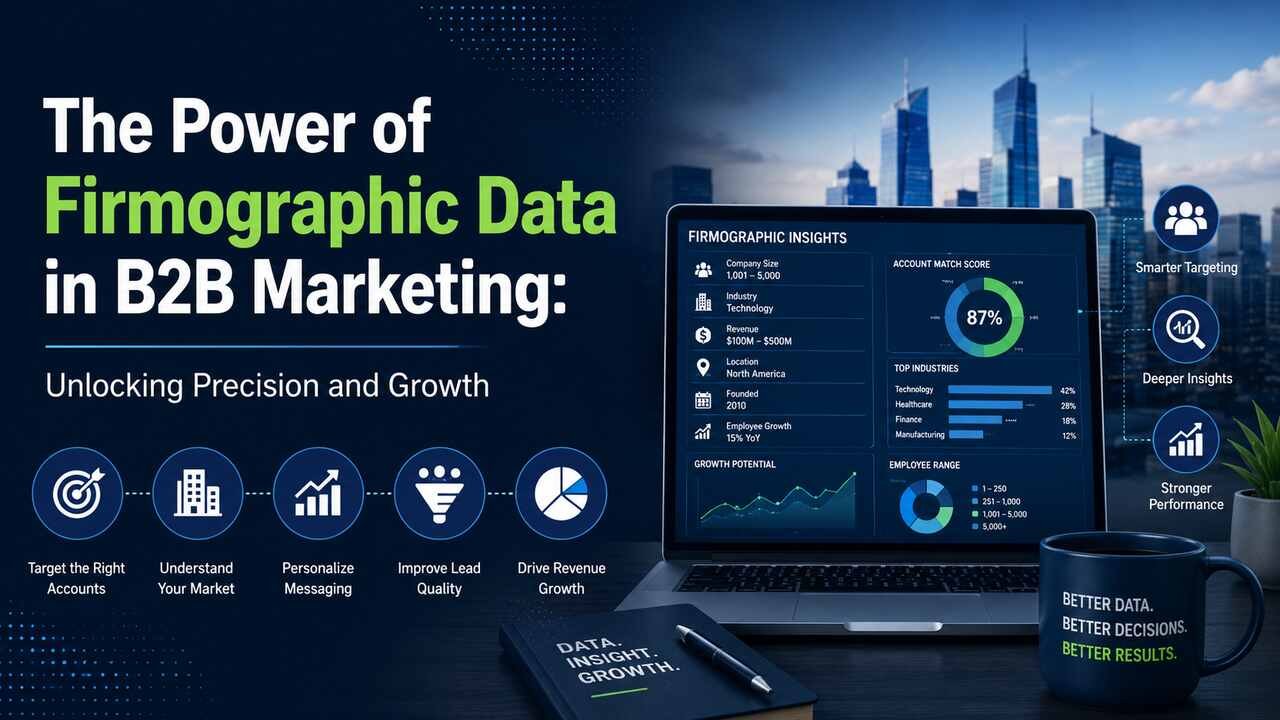
In today’s hyper-competitive B2B marketplace, gaining a comprehensive understanding of your target market is essential for sustainable growth. One of the most effective methods for achieving this is by leveraging firmographic data, which provides meaningful insights into company attributes, enabling businesses to create targeted marketing campaigns, streamline lead generation, and fuel successful business growth. The DataLane firmographic guide offers a comprehensive introduction to how these insights can inform actionable strategies and deliver measurable outcomes.
Whether you want to fine-tune your outreach or elevate your lead scoring, firmographic data offers a solid foundation for more relevant communications, smarter prospecting, and improved ROI. Understanding and utilizing this data type is not only a matter of keeping up with best practices; it is a necessity in meeting the rising expectations of B2B buyers, who demand greater personalization and value from vendors.
Integrating robust firmographic insights empowers businesses to move beyond generic campaigns and instead craft messages, offers, and experiences that precisely match the needs and characteristics of different companies. As organizational structures and buying processes become more complex, having a reliable segmentation framework is invaluable for navigating the B2B landscape.
In this detailed guide, we will explore what firmographic data is, why it matters in B2B marketing, and how you can fully integrate it into your marketing strategy. Mastering this approach positions your business for greater relevance, agility, and growth in a world where standing out from the crowd is more important than ever.


What Is Firmographic Data?
Firmographic data, at its core, refers to the characteristics and attributes of organizations used to segment B2B markets. Analogous to how demographic data describes people, firmographic data describes companies, including their size, industry, location, and legal structure. By capturing these details, marketers and sales teams can develop a deeper understanding of the companies they are targeting and create more meaningful conversations at every stage of the buyer journey.
This classification system allows you to move away from blanket messaging and implement focused strategies that resonate with decision-makers and influencers within targeted companies. By aligning your efforts with your ideal customer’s characteristics, you position your business as a relevant and knowledgeable partner.
Importance of Firmographic Data in B2B Marketing
Firmographic data serves several key roles in B2B marketing. First, it enables enhanced targeting and personalization, which are increasingly in demand from business buyers seeking solutions tailored to their industry and scale. When you understand a company’s fundamental attributes, crafting campaigns that speak directly to their challenges becomes significantly easier.
- Enhance Targeting and Personalization: Firms within the same industry or of similar size often face unique business challenges. Firmographic segmentation helps marketers deliver messages that are relevant and engaging for specific segments, leading to higher engagement and conversion rates.
- Improve Lead Scoring: By using firmographic data in your lead scoring models, you can prioritize and focus sales resources on the most valuable opportunities, streamlining your sales process and maximizing ROI.
- Develop Expansion Strategies: Detailed firmographic insights enable your business to identify underserved market segments and uncover new revenue streams that align with your company’s strengths and offerings.
Leading marketing publications, such as Forbes, emphasize the importance of this data type in structuring high-impact B2B campaigns that hit the mark with targeted business audiences.
Key Firmographic Attributes
To harness the full power of firmographic data, it is important to focus on several core attributes. These characteristics define how organizations are structured and what may influence their buying decisions:
- Industry Classification: Identifies the sector a company operates in, usually using standardized codes like NAICS or SIC. This is essential for tailoring solutions and marketing to industry-specific pain points.
- Company Size: Often measured by employee headcount or annual revenue, company size gives insight into purchasing power and operational complexity. Small businesses and enterprises have very different needs and priorities.
- Geographical Location: Location data (city, state, region, or country) is critical in determining what markets to prioritize, how to adapt to different regulations, and where to expand next.
- Ownership Structure: Understanding if a company is publicly traded, privately held, or part of a larger group can offer clues into its decision-making processes and agility.
Integrating Firmographic Data into Your Strategy
Taking full advantage of firmographic data involves a systematic approach:
- Collect Reliable Data: Use industry databases, reputable data services, and verified directories to ensure your information is up-to-date and accurate.
- Segment Your Market: Organize your target database by key firmographic attributes. This clarity sharpens your value propositions and messages for each group.
- Personalize Campaigns: Build tailored value propositions for each segment. Personalized communications based on firmographic factors often yield higher engagement and better sales outcomes.
This structured approach not only optimizes marketing effectiveness but also improves sales alignment by ensuring both departments target and communicate with the highest-value companies.
Challenges in Using Firmographic Data
Despite its clear advantages, there are some challenges associated with utilizing firmographic data. Companies change rapidly, and organizational information can quickly become outdated. Maintaining accuracy requires constant data hygiene, including regularly validating and updating your database.
- Data Accuracy: Mergers, acquisitions, rebranding, and organizational changes can render data obsolete, leading to misdirected outreach.
- Data Integration: Combining firmographic data with technographic or intent data can be technically challenging and requires robust data management systems.
- Compliance: EU’s GDPR and other privacy regulations impose strict requirements for collecting and using organizational data, making compliance a must for any modern B2B organization.
The Future of Firmographic Data
Looking ahead, advancements in AI, data enrichment, and predictive analytics will further boost the value of firmographic data. These tools provide real-time insights and more granular segmentation, helping marketers not only react to market changes but also anticipate them.
As data integration practices improve and more advanced analytics platforms become standard, firmographic data will continue to be a cornerstone of successful B2B marketing strategies. Embracing these tools today ensures your company stays competitive and future-ready.
By strategically leveraging firmographic data, businesses can significantly enhance their B2B strategies and achieve lasting competitive advantage through improved targeting, personalized engagement, and smarter business expansion.


