



Running an online business in the US offers great opportunities but also involves legal responsibilities that entrepreneurs often overlook. Understanding issues like privacy, taxes, intellectual property, and compliance can help prevent costly mistakes and protect your business.
What Are the Major Compliance Challenges for Online Businesses in the Us?

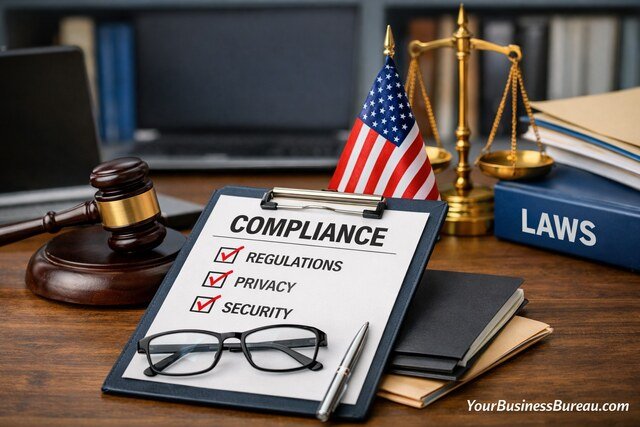
Online businesses in the US face significant compliance challenges due to federal and state-level legal frameworks that often overlap or conflict. Regulatory environments vary across industries, which makes legal compliance a moving target. Failing to comply with data privacy, taxation, and consumer protection laws can result in fines or forced business shutdowns. I’ve worked with businesses that had to re-engineer their entire sales process due to a single overlooked regulation.
One of the biggest hurdles is understanding which laws apply. Federal Trade Commission (FTC) guidelines, state-specific eCommerce laws, and international data regulations like GDPR all impact how online businesses operate. I once helped a business owner untangle an FTC violation just because their ad copy didn’t clearly disclose affiliate relationships. Something that seemed minor ended up costing thousands in legal fees.
Navigating these legal expectations requires not just knowledge but active monitoring of updates. Many business owners make the mistake of setting up once and forgetting about it. That’s a risk you can’t afford in the digital space. A proactive compliance strategy like hiring legal counsel for an annual review often saves more than it costs.
Data Privacy Regulations
Online businesses collect user data, which means they must comply with laws such as the California Consumer Privacy Act (CCPA) and the Children’s Online Privacy Protection Act (COPPA). These laws require clear user consent, data security protocols, and disclosures about data usage. Ignoring them invites heavy penalties.
Businesses should also create a documented data retention policy instead of storing customer information indefinitely. Retaining personal data longer than necessary increases the risk of data breaches and may violate privacy regulations. A practical approach is to define retention periods for customer accounts, payment records, marketing data, and support conversations while securely deleting information that is no longer required.
Another important practice is conducting regular privacy impact assessments whenever a business introduces new software, payment gateways, or marketing tools. These assessments help identify potential privacy risks before customer information is exposed, allowing companies to strengthen compliance while maintaining user trust.
Sales tax compliance
Since the South Dakota v. Wayfair decision, even small businesses may owe sales tax in states where they have customers, regardless of physical presence. Software tools can help, but businesses must understand nexus rules and regularly review state thresholds.
Many online businesses expand to marketplaces such as Amazon, Walmart Marketplace, and Etsy without realizing that marketplace facilitator laws may change their tax responsibilities. Although these platforms often collect and remit sales tax on behalf of sellers, businesses should still verify reporting requirements because certain states require additional filings even when taxes are collected by the marketplace.
How Does Intellectual Property Law Affect Digital Entrepreneurs?

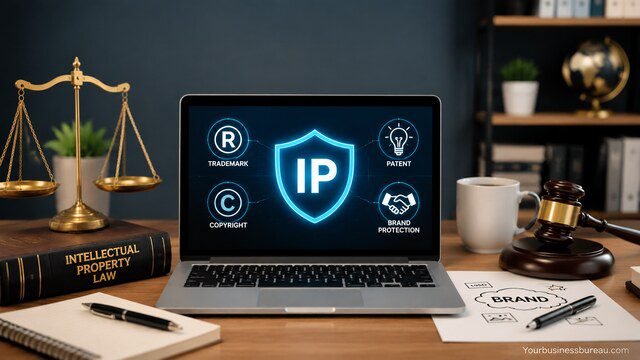
Intellectual property law directly impacts the content, products, branding, and even domain names used by digital entrepreneurs. From trademark conflicts to accidental copyright violations, failing to respect intellectual property can lead to cease-and-desist orders, lawsuits, and loss of brand trust. I recall helping an online seller who unknowingly used a copyrighted image in their product listing resulting in a takedown notice and account suspension.
Trademarks protect your brand identity, but they also restrict how you use names, logos, or slogans that resemble others. The US Patent and Trademark Office (USPTO) offers searchable databases, but I’ve seen too many business owners skip this step. They later find out that their brand name is infringing on a registered mark, and they’re forced to rebrand.
Trademark Infringement Risks
Using a brand name or logo that’s too similar to an existing trademark can lead to legal disputes. Even if unintentional, trademark confusion can cause forced rebranding, domain loss, or financial penalties. Always verify trademark availability before launch.
Businesses should also protect their own trademarks after registration. Monitoring newly filed trademark applications helps identify brands attempting to register confusingly similar names or logos. Early opposition can prevent costly disputes and preserve long-term brand recognition in competitive markets.
Copyright Violations
Many digital businesses use images, videos, or written content to engage users. Without proper usage rights or licenses, this content could be infringing on someone else’s copyright. DMCA takedowns and lawsuits often follow such violations.
Copyright compliance extends beyond images and written articles. Website templates, product manuals, downloadable PDFs, software code, and promotional graphics may also contain protected intellectual property. Maintaining documentation for every purchased license simplifies compliance if ownership is ever questioned during a legal dispute.
What Advertising Practices Lead to Legal Exposure?
Misleading advertising, failure to disclose sponsored content, or false testimonials are all major red flags under FTC guidelines. Online businesses often overlook the legal importance of how they promote products and services. I’ve personally advised startups who didn’t realize that not labeling affiliate links could be considered deceptive advertising.
Disclaimers and disclosures must be clear and conspicuous. Fine print or hard-to-locate policy links aren’t enough. In influencer campaigns, sponsors must ensure the influencer clearly discloses the relationship. I’ve seen brands get investigated just because influencers failed to include a simple hashtag like #ad.
Email marketing also poses risks under the CAN-SPAM Act. Sending unsolicited emails without opt-out options or misrepresenting sender information can lead to penalties. Every email campaign should be reviewed through a compliance lens before launch.
Ftc Endorsement Guidelines
If you partner with influencers or use customer reviews in your marketing, the Federal Trade Commission expects you to be transparent about material connections. Disclosure is not optional; failing to comply can trigger warnings or legal action.
Affiliate marketers should establish written disclosure standards for every promotional channel, including blogs, YouTube videos, podcasts, newsletters, and social media posts. Consistent disclosure practices reduce regulatory risk while helping audiences clearly understand when content includes paid promotions or commission-based recommendations.
False or Misleading Claims
Statements about your product must be truthful and substantiated. Claims like “best in the world” may seem harmless, but if tied to health benefits or financial guarantees, they could attract scrutiny. Use specific and provable language.
How Can Contract Law Protect Online Business Relationships?

Contracts form the foundation of all legitimate business dealings. Whether working with freelancers, suppliers, platforms, or customers, online businesses must have clear, enforceable agreements in place. I’ve worked with many entrepreneurs who lost money because of handshake deals or vague email confirmations.
Written contracts outline the scope of work, deliverables, timelines, and payment terms. These documents reduce ambiguity and provide legal recourse when things go wrong. I always tell clients: if it’s not in writing, it doesn’t exist in court.
Digital contracts must also meet e-signature requirements under the ESIGN Act. Tools like DocuSign or HelloSign ensure that agreements are enforceable. Regularly reviewing and updating standard agreements ensures continued protection as your business evolves.
Freelance and Vendor Agreements
Freelancer relationships should include contracts that cover intellectual property rights, confidentiality, and dispute resolution. Without them, your business might not legally own the work it paid for.
Terms and Conditions
Your website should feature legally sound terms of service and privacy policies. These agreements protect you from liability, clarify user responsibilities, and define how disputes will be handled.
What Tax-related Legal Risks Do Digital Businesses Face?
Online businesses face both income tax and sales tax obligations that vary by jurisdiction. Misunderstanding these tax duties can trigger audits, fines, or even criminal charges. One client I assisted had no idea that digital goods were taxed in some states until they got a notice from the Department of Revenue.
Federal income taxes apply to all businesses operating in the US, while state taxes depend on where you operate and sell. Even without physical offices, digital presence in a state can trigger “economic nexus” responsibilities.
Sales tax obligations have become even more complex post-Wayfair. You may owe taxes in multiple states if your sales volume crosses thresholds. Sales tax software can help track liabilities, but you still need to file and remit correctly.
Economic Nexus Rules
Selling across state lines may create a tax obligation even without physical presence. Each state has its own threshold, and failure to register or collect taxes can result in interest and penalties.
Keeping detailed sales records for every state makes compliance significantly easier. Monthly reports showing transaction counts, revenue totals, and tax collected allow businesses to recognize when they are approaching a state’s economic nexus threshold before compliance obligations begin.
Federal Tax Obligations
All income must be reported to the IRS, and online businesses must select the right tax classification (LLC, S-Corp, etc.). Mistakes in classification or deductions can delay returns or trigger audits.
Tax Risk Matrix for Online Businesses
| Type of Tax | Trigger | Risk Level | Mitigation Method |
| Sales Tax | Exceeding state sales thresholds | High | Use automated sales tax software |
| Federal Income Tax | Operating within the US | High | Hire CPA and file quarterly |
| State Income Tax | Business presence in a state | Medium | Register in each relevant state |
| International Taxes | Selling to customers outside the US | Variable | Consult with international tax advisor |
How Do Liability Issues Affect Online Business Operations?
Liability risks for online businesses include customer disputes, product harm, data breaches, and service failures. Any of these can result in lawsuits or damage to reputation. I’ve helped clients build legal shields like business insurance and disclaimers to reduce exposure.
Using disclaimers on your site and refund policies helps limit legal claims. Having cyber liability insurance is also critical for businesses storing customer data. One data breach could cost hundreds of thousands of dollars in settlements and recovery.
Incorporating as an LLC or corporation also helps separate personal and business liability. I always suggest not operating as a sole proprietor if you’re serious about protecting your assets. A formal structure provides legal boundaries and defense against lawsuits.
Personal vs. Business Liability
Without legal separation, your personal assets (like your home or car) could be seized to satisfy business debts. Incorporating protects your personal wealth from most legal claims related to the business.
Product or Service Liability
If your product harms a customer or your service causes loss, you could be held responsible. Clear policies, accurate descriptions, and professional indemnity insurance reduce these risks.
Customer support documentation can also serve as valuable legal evidence. Maintaining records of complaints, refund requests, warranty claims, and issue resolutions demonstrates that the business acted responsibly when addressing customer concerns. These records may become important if disputes escalate into legal proceedings.
What Future Legal Trends Should Online Businesses Prepare for?
Laws governing digital commerce are rapidly evolving. From AI-generated content to international data transfers, future regulations will reshape how online businesses operate. Staying ahead means tracking legal updates and adjusting strategies regularly. I’ve seen companies succeed simply because they adapted faster than competitors.
Artificial intelligence, biometric data, and decentralized technologies are prompting new privacy laws and ethical standards. Expect tighter controls around how you gather, use, and store customer data. Proactive auditing and compliance tools will be crucial.
Global commerce also means exposure to international law. Selling to EU customers may require GDPR compliance, while new Canadian or Asian laws could apply next. Planning for global compliance now will save stress and money in the long run.
Ai and Automation Laws
Using AI for marketing, chatbots, or content generation brings unique legal questions. False outputs, biased algorithms, or impersonation could become regulated. Always disclose AI usage and keep human review in the loop.
Businesses adopting AI should establish internal governance policies covering human oversight, content verification, and record keeping. Reviewing AI-generated marketing copy, customer communications, and automated decisions before publication reduces the likelihood of inaccurate information creating regulatory or reputational problems.
Cross-border Compliance
Selling internationally brings challenges around tax, privacy, and advertising law. Businesses should consider local compliance tools, translation services, and multi-region legal counsel to minimize global legal exposure.
Conclusion
Legal risks for online businesses in the US span multiple categories from compliance and contracts to advertising and liability. Based on my own interactions with digital entrepreneurs, I’ve seen that staying legally informed isn’t just a best practice, it’s a survival strategy. The internet has no borders, but the law certainly does. Proactively managing risk through contracts, proper taxation, advertising transparency, and data security will keep your business growing safely. If you treat legal preparation as part of your strategy, not an afterthought, you’ll build a business that lasts.
FAQ’s
LLC is often the most flexible and protective structure for small online businesses. It separates personal and business assets, which reduces legal exposure.
Not all, but many. States have different sales thresholds (economic nexus), and exceeding them requires you to register, collect, and remit sales tax.
Only if they’re licensed correctly. Even free stock photos can have limitations. Always verify usage rights to avoid copyright issues.
Comply with the CAN-SPAM Act. Emails must include an unsubscribe link, truthful subject lines, and your business’s physical address.
Yes, especially if you collect personal data. Laws like CCPA and COPPA require clear privacy policies that explain data usage and rights.


