


Introduction
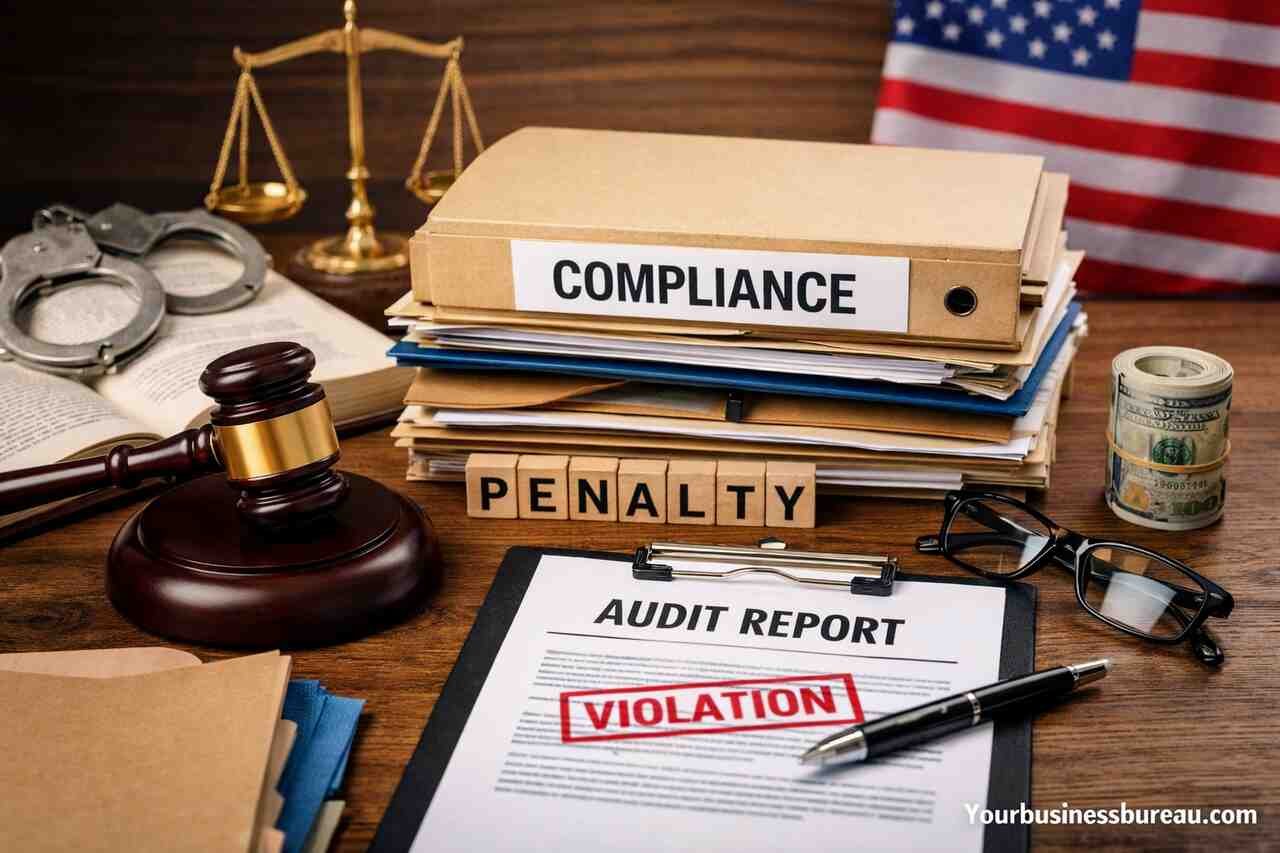
Failing to comply with federal and state regulations in the US can cost businesses far more than money. Non-compliance exposes organizations to reputational damage, criminal charges, revoked licenses, and even permanent closure. Despite growing awareness, many companies still overlook key areas of compliance, leading to serious legal penalties. In this article, I’ll walk you through the most common compliance mistakes I’ve seen during my consultations and help you understand how to prevent them. Whether you’re managing a startup, a mid-sized firm, or a large enterprise, staying informed about these risks will save you from painful consequences.
What Are the Most Frequent Regulatory Oversights That Result in Penalties?
Many companies fall into compliance trouble not due to bad intent, but because they overlook seemingly minor rules that have significant implications. One of the most frequent errors involves improper classification of workers. Mislabeling employees as independent contractors can result in lawsuits, tax penalties, and liability for unpaid wages or benefits. I’ve spoken to business owners who were genuinely shocked at how quickly these missteps escalated into formal investigations.
Another major oversight happens in financial reporting. Businesses that fail to follow proper Generally Accepted Accounting Principles (GAAP) or file late with the SEC often face audits and fines. These errors stem from lack of internal oversight or inadequate accounting systems. Compliance in financial transparency isn’t optional federal authorities consider it a baseline requirement.
Failing to understand and implement data protection laws, such as HIPAA for healthcare or the GLBA for financial institutions, also frequently triggers enforcement actions. I worked with one clinic that unknowingly violated HIPAA simply by leaving patient files accessible in unlocked cabinets. That single issue led to a formal investigation and a five-figure penalty.
Worker Misclassification
Classifying full-time staff as independent contractors allows businesses to avoid payroll taxes and benefits. However, the IRS and Department of Labor closely scrutinize these arrangements. A misclassified worker can retroactively claim benefits, and your business may owe back taxes, insurance premiums, and fines.
Inaccurate Financial Disclosures
The SEC mandates timely and truthful financial disclosures for public companies. Private companies seeking investment also face pressure to maintain clean books. Financial misstatements, intentional or not, attract audits, reputational damage, and civil penalties.
How Do Poor Recordkeeping and Documentation Create Legal Exposure?


Disorganized or incomplete records are like cracks in a foundation; everything looks stable until pressure exposes the weaknesses. During my compliance reviews, I’ve noticed many businesses lack consistent documentation processes. Missing employment records, outdated tax documents, and unsigned contracts become legal liabilities in audits or litigation.
For HR compliance, not retaining I-9 forms or failing to document termination procedures can invite costly lawsuits or immigration scrutiny. In one case I reviewed, a company couldn’t prove it had properly verified work authorization for several employees, leading to a Homeland Security audit and heavy fines.
Tax documentation errors also occur often. Companies might misplace receipts, underreport earnings, or skip essential forms. This triggers IRS red flags. Once a company is audited, the burden of proof rests on the business. Lack of documentation can mean losing legitimate deductions or facing fraud accusations.
HR and Employment Files
Federal and state regulations require employers to maintain detailed personnel records. This includes job descriptions, performance evaluations, and disciplinary actions. Incomplete or lost files hinder defense in wrongful termination suits or discrimination claims.
Financial and Tax Records
Accounting documents should be stored for at least seven years. Poor record retention complicates financial reviews, hinders accurate tax filings, and obstructs compliance with Sarbanes-Oxley or IRS standards.
What Role Does Ignorance of Industry-specific Regulations Play?
Compliance isn’t one-size-fits-all. Each industry has unique regulatory frameworks, and not keeping up with those nuances leads to avoidable penalties. In healthcare, for example, failing to meet OSHA safety standards or HIPAA privacy mandates can lead to patient harm and costly enforcement. I’ve had candid conversations with small practice owners who admitted they hadn’t reviewed their regulatory obligations in years.
For financial institutions, the Bank Secrecy Act, anti-money laundering requirements, and consumer protection laws create a dense compliance landscape. A friend who manages a credit union shared how failing to update Know Your Customer (KYC) protocols nearly triggered a cease-and-desist order.
Technology companies must navigate data privacy, export controls, and intellectual property compliance. Missing these legal nuances, especially in SaaS or cloud platforms, can open a company up to international penalties.
Healthcare and Safety Standards
Medical facilities must adhere to HIPAA, OSHA, and CMS guidelines. Routine violations such as lack of employee safety training or poor data encryption often lead to regulatory crackdowns and high-profile settlements.
Finance and Banking Rules
The financial sector must satisfy requirements from agencies like FINRA, the SEC, and CFPB. Even minor oversights, such as delayed reporting or unauthorized transactions, can lead to sanctions, license suspension, or investor lawsuits.
How Does Lack of Training Contribute to Compliance Violations?
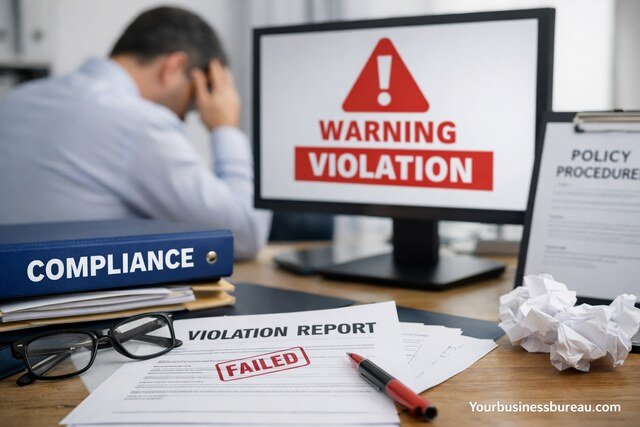
Compliance is only as strong as the people behind it. When employees don’t understand the rules, they make mistakes that expose the entire organization. I often see businesses provide one-time training during onboarding, but never reinforce it. That approach fails to keep teams updated on evolving legal standards.
In regulated industries, untrained employees often mishandle sensitive data, skip required disclosures, or ignore documentation protocols. In retail, I saw a store fined for a privacy breach simply because a cashier wasn’t trained on credit card handling rules.
Poor training also affects leadership. Managers unaware of their legal obligations may unintentionally violate wage laws, harassment policies, or safety protocols. Ensuring everyone from the C-suite to the front lines knows the law protects your business from preventable lawsuits.
Employee Education Programs
Ongoing education ensures that employees understand their role in maintaining compliance. Training should include scenario-based learning, annual refreshers, and real-time updates when laws change.
Leadership Accountability
Executives and managers must champion compliance culture. This includes leading by example, reporting breaches, and prioritizing policy enforcement during performance reviews.
Why Do Third-party Vendors Increase Legal Risk?
Working with vendors can expand operational efficiency, but outsourcing doesn’t outsource accountability. If a vendor violates regulations while handling your data or services, your business could still be held responsible. I’ve consulted with firms fined over vendors who mishandled customer data or breached contract terms.
Supply chain compliance gaps often emerge in industries like manufacturing, food services, or healthcare. One logistics company I helped had no system to verify supplier certifications. When a partner misrepresented product origins, that company faced international trade penalties.
Companies must vet vendors thoroughly and include compliance clauses in contracts. Regular audits and communication with third-party partners create a shared sense of legal responsibility and reduce risk.
Contract and SLA Oversight
Contracts should define regulatory responsibilities, data security practices, and consequences for non-compliance. Service level agreements (SLAs) must be regularly reviewed to ensure legal alignment.
Vendor Audits and Monitoring
Performing due diligence through vendor audits and performance reviews reveals compliance weaknesses. Implementing real-time monitoring and breach reporting protocols further reduces exposure.
What is the Legal Impact of Data Privacy and Cybersecurity Failures?
Failing to secure customer, employee, or business data can invite lawsuits, sanctions, and criminal charges. I’ve seen cases where a single email phishing scam led to compromised records and months of legal fallout. Data privacy isn’t a tech issue it’s a legal and financial concern.
Regulations like the California Consumer Privacy Act (CCPA) and federal laws such as COPPA or GLBA impose strict standards on how data is collected, stored, and shared. In many data breaches I’ve reviewed, companies didn’t even realize their policies violated these standards until enforcement letters arrived.
Cybersecurity threats are not just external. Internal mishandling, such as sending sensitive files over unsecured channels or failing to encrypt backup drives, creates compliance gaps. Strong cybersecurity practices are essential to avoid financial penalties and maintain public trust.
Regulatory Privacy Requirements
Privacy laws vary by state and industry. Companies must publish clear privacy policies, gain appropriate user consent, and honor opt-out requests. Non-compliance can lead to fines, customer loss, or class-action lawsuits.
Cyberattack Preparedness
Companies must develop incident response plans, encrypt sensitive data, and conduct penetration testing. Proactive cybersecurity strategies reduce legal exposure and speed up recovery after breaches.
How Can Businesses Build a Proactive Compliance Framework?
Prevention costs less than penalties. Building a compliance framework requires clear policies, routine audits, and leadership engagement. I’ve worked with companies who avoided millions in fines just by institutionalizing simple controls like monthly reviews and anonymous reporting channels.
Strong compliance starts with mapping regulatory obligations. This includes federal, state, and industry-specific rules. Internal policies must translate these laws into step-by-step procedures. Automation tools like compliance dashboards or HR software reduce human error.
Finally, an open compliance culture encourages reporting and accountability. Teams should feel safe raising red flags and correcting mistakes. That level of integrity doesn’t happen overnight but with consistent leadership, it becomes part of the company’s DNA.
Policy Development and Review
Companies should document all regulatory requirements, define internal policies for handling them, and update procedures regularly. Legal counsel or compliance officers should review every policy quarterly.
Compliance Culture and Reporting Channels
Establishing confidential reporting systems and rewarding ethical behavior builds a culture of transparency. Managers should highlight compliance successes during team meetings to reinforce its value.
Common Compliance Errors and Legal Outcomes
| Compliance Area | Common Error | Potential Legal Outcome |
| Employment Practices | Worker misclassification | Back taxes, lawsuits, fines |
| Data Privacy | Unsecured customer data | CCPA penalties, loss of consumer trust |
| Financial Reporting | Inaccurate SEC filings | Civil penalties, investor lawsuits |
| Healthcare Operations | HIPAA violations | Regulatory fines, patient trust issues |
| Vendor Management | No compliance clause in contracts | Shared liability for third-party breaches |
Conclusion
Compliance mistakes are not just clerical errors, they are strategic risks that can dismantle a company’s operations, reputation, and financial stability. Based on my direct experience helping organizations recover from these failures, I can confidently say that the key to avoiding legal penalties lies in proactive education, consistent internal controls, clear vendor agreements, and a culture of accountability. By addressing common pitfalls in employment, data privacy, financial reporting, and industry-specific obligations, businesses can shift from reactive to resilient, ensuring long-term legal and operational security in the complex US regulatory environment.
FAQ’s
The most common mistake is misclassifying workers as independent contractors, which leads to tax penalties and lawsuits for unpaid benefits.
Yes, small businesses can face significant fines, license revocations, and even closure for serious violations, especially in finance, healthcare, or data privacy.
Best practice recommends reviewing policies quarterly and immediately after any major regulatory update or organizational change.
Yes, if a vendor breaches laws while delivering services under your contract, your business can be held legally responsible.
Healthcare, finance, and technology sectors face the strictest regulations and highest penalties for violations.


