









Starting a cleaning business is one of the most accessible ways to become an entrepreneur because it requires relatively low startup costs, offers recurring revenue opportunities, and serves both residential and commercial markets. Whether you want to operate independently or build a large company with multiple employees, success depends on careful planning, professional service, effective marketing, and efficient operations.
The cleaning industry continues to grow as homeowners, property managers, healthcare facilities, offices, retail stores, and hospitality businesses increasingly outsource cleaning services. By developing a clear business plan, choosing the right services, investing in quality equipment, and delivering consistent customer satisfaction, you can establish a profitable business that generates long-term income.
This comprehensive guide explains every step involved in starting a cleaning business, from choosing your niche and registering your company to attracting customers, setting competitive prices, and scaling your operations.
Choose the Type of Cleaning Business You Want to Start
The first step is deciding which market you want to serve. Your target audience influences your startup costs, equipment, marketing strategy, pricing model, and daily operations.
Residential cleaning focuses on private homes, apartments, and condominiums. Customers typically schedule weekly, biweekly, or monthly visits.
Commercial cleaning serves offices, retail stores, warehouses, educational institutions, and other businesses. Contracts often involve evening or overnight work and can provide steady recurring income.
Specialized cleaning includes services such as:
- Carpet cleaning
- Window cleaning
- Move-in and move-out cleaning
- Construction cleanup
- Deep cleaning
- Vacation rental cleaning
- Medical office cleaning
- Industrial cleaning
- Green cleaning
- Pressure washing
Selecting one specialty allows you to develop expertise while reducing unnecessary equipment costs during the early stages of your business.
Comparison of Cleaning Business Types
| Business Type | Typical Customers | Startup Cost | Income Potential | Difficulty |
| Residential Cleaning | Homeowners | Low | Medium | Easy |
| Commercial Cleaning | Offices & Businesses | Medium | High | Moderate |
| Carpet Cleaning | Homes & Businesses | High | High | Moderate |
| Window Cleaning | Residential & Commercial | Medium | Medium | Moderate |
| Construction Cleanup | Contractors | Medium | High | Moderate |
| Medical Cleaning | Clinics & Hospitals | Medium | High | Advanced |
Create a Detailed Business Plan
A business plan provides direction and helps you make informed decisions as your company grows.
Include the following elements:
- Business goals
- Target customers
- Services offered
- Competitive analysis
- Startup budget
- Revenue projections
- Marketing strategy
- Pricing structure
- Operational procedures
- Growth plan
Estimate your monthly expenses, including transportation, insurance, cleaning supplies, payroll, software, advertising, and taxes. Knowing your expected costs helps determine how many clients you need to become profitable.
A strong business plan also helps secure financing if you decide to apply for a business loan in the future.
Register Your Business and Obtain Required Licenses
Operating legally builds trust with customers and protects your business.
Depending on your location, you may need to:
- Register your business name
- Obtain a business license
- Register for taxes
- Apply for local permits
- Obtain an employer identification number (if hiring staff)
Common business structures include:
- Sole Proprietorship
- Partnership
- Limited Liability Company (LLC)
- Corporation
Many small cleaning companies begin as sole proprietorships before transitioning to an LLC for liability protection as they grow.
Research local regulations to ensure compliance with all legal requirements before accepting clients.
Purchase Business Insurance
Insurance protects both your business and your customers.
Consider obtaining:
- General liability insurance
- Workers’ compensation insurance
- Commercial auto insurance
- Property insurance
- Bonding
- Professional liability insurance
Many commercial clients require proof of insurance before signing service contracts.
Being bonded also reassures customers that they are protected if theft or damage occurs during cleaning services.
Purchase Professional Cleaning Equipment and Supplies

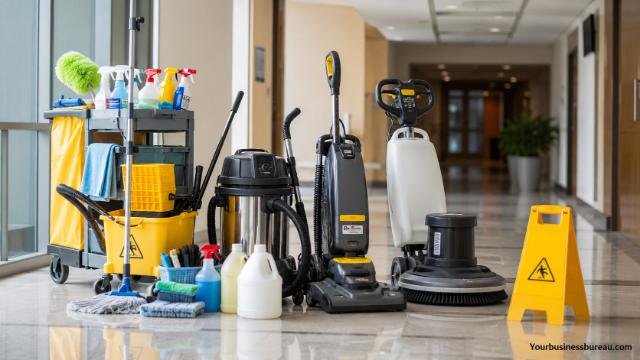
Reliable equipment improves cleaning quality while increasing productivity.
Essential equipment includes:
- Vacuum cleaner
- Microfiber cloths
- Mop and bucket
- Spray bottles
- Dusting tools
- Scrub brushes
- Extension poles
- Protective gloves
- Face masks
- Cleaning caddy
- Trash bags
- Floor cleaner
- Glass cleaner
- Disinfectants
- Degreasers
Depending on your specialty, you may also require:
- Carpet extractor
- Steam cleaner
- Pressure washer
- Floor buffer
- Air mover
- Water extraction equipment
Buying commercial-grade products often reduces long-term replacement costs.
Determine Your Startup Budget
Startup costs vary according to the services you offer.
Typical expenses include:
| Expense | Estimated Cost |
| Business Registration | Low to Moderate |
| Insurance | Moderate |
| Cleaning Equipment | Moderate |
| Cleaning Supplies | Low |
| Vehicle | Moderate to High |
| Uniforms | Low |
| Website | Low |
| Marketing | Moderate |
| Software | Low |
| Office Supplies | Low |
Many residential cleaning businesses can begin with a relatively modest investment, while specialized commercial services may require significantly more capital.
Prepare an emergency fund to cover several months of operating expenses while building your customer base.
Set Competitive Pricing for Your Services
Pricing directly affects profitability.
Common pricing models include:
- Hourly rates
- Flat-rate pricing
- Per-room pricing
- Square-foot pricing
- Custom project estimates
Factors influencing price include:
- Property size
- Cleaning frequency
- Service complexity
- Travel distance
- Number of cleaners
- Required equipment
- Supply costs
- Local market competition
Avoid competing solely on price. Instead, emphasize reliability, professionalism, quality, and customer service.
Recurring customers often justify offering discounted rates because they provide predictable revenue.
Develop a Strong Brand Identity
Professional branding creates a memorable impression.
Build your brand by creating:
- Business name
- Professional logo
- Brand colors
- Company slogan
- Uniforms
- Vehicle graphics
- Business cards
- Branded invoices
- Professional email address
Consistency across every customer interaction helps establish trust and recognition.
Customers often choose companies that appear organized and professional before even requesting a quote.
Build a Professional Website
Your website serves as your digital storefront.
Include essential pages such as:
- Home
- About
- Services
- Pricing
- Service Areas
- Testimonials
- Frequently Asked Questions
- Contact Page
- Online Booking
Optimize each page using relevant keywords naturally throughout headings and content.
Include high-quality photographs, customer reviews, and before-and-after images to build credibility.
Make it easy for visitors to request estimates or book appointments online.
Create an Effective Marketing Strategy
Marketing generates consistent leads and builds brand awareness.
Effective marketing channels include:
- Search engine optimization (SEO)
- Local SEO
- Social media marketing
- Google Business Profile
- Facebook advertising
- Referral programs
- Door hangers
- Flyers
- Vehicle wraps
- Email marketing
- Community sponsorships
- Networking events
Encourage satisfied customers to leave online reviews.
Positive reviews improve local search visibility and increase customer confidence.
Combining digital and offline marketing often produces the best results for local service businesses.
Attract Your First Customers
Landing your first clients requires persistence and professionalism.
Strategies include:
- Ask friends and family for referrals.
- Offer introductory discounts.
- Join local community groups.
- Partner with real estate agents.
- Connect with property managers.
- Visit local businesses.
- Network with contractors.
- Offer move-out cleaning services.
- Contact Airbnb hosts.
- Request online reviews after each completed job.
Every satisfied customer becomes a potential source of referrals.
Exceptional customer service remains one of the most powerful forms of marketing.
Deliver Outstanding Cleaning Services
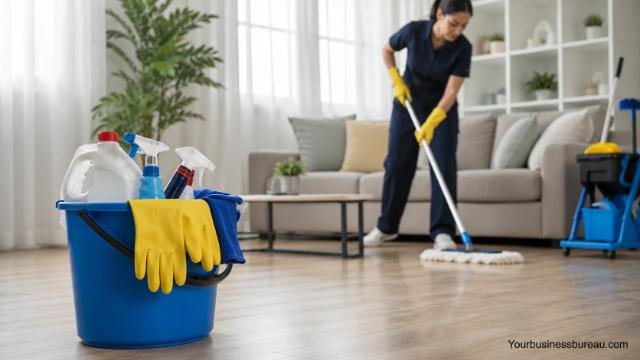
Consistency separates successful cleaning companies from competitors.
Develop standardized cleaning checklists for every service.
Include tasks such as:
- Dusting
- Vacuuming
- Mopping
- Bathroom sanitization
- Kitchen cleaning
- Trash removal
- Surface disinfection
- Window cleaning
- Furniture cleaning
- High-touch surface sanitization
Quality control inspections help maintain consistent service standards across every job.
Following detailed procedures reduces errors and improves customer satisfaction.
Manage Scheduling and Daily Operations
Efficient operations maximize profitability.
Scheduling software can help organize:
- Customer appointments
- Employee assignments
- Route planning
- Invoices
- Payments
- Customer communications
- Job completion tracking
Reducing travel time between appointments allows your team to complete more jobs each day.
Automated reminders also reduce missed appointments and cancellations.
Hire and Train Employees
As demand grows, hiring employees allows you to expand.
Look for individuals who demonstrate:
- Reliability
- Honesty
- Professionalism
- Attention to detail
- Communication skills
- Time management
Training should include:
- Cleaning procedures
- Equipment operation
- Chemical safety
- Customer service
- Workplace safety
- Quality standards
Background checks and reference verification help protect your company’s reputation.
Reward high-performing employees to encourage long-term retention.
Maintain Financial Records
Accurate financial management supports sustainable growth.
Track:
- Revenue
- Expenses
- Payroll
- Taxes
- Equipment purchases
- Customer invoices
- Marketing costs
- Insurance payments
Accounting software simplifies bookkeeping and prepares your business for tax season.
Review monthly financial reports to identify profitable services and reduce unnecessary expenses.
Maintaining separate business and personal finances also improves organization and professionalism.
Expand Your Cleaning Business
Once your operations become consistent, focus on growth.
Expansion opportunities include:
- Hiring additional teams
- Offering specialty services
- Serving commercial clients
- Opening additional locations
- Purchasing advanced equipment
- Creating maintenance contracts
- Selling cleaning products
- Franchising your business
- Expanding service areas
Growth should be supported by documented systems that ensure every customer receives the same high-quality service.
Strong leadership, employee training, and customer retention become increasingly important as your company expands.
Improve Customer Retention
Keeping existing customers is generally more cost-effective than constantly acquiring new ones.
Build long-term relationships by:
- Arriving on time
- Communicating clearly
- Following cleaning checklists
- Offering recurring service discounts
- Responding quickly to concerns
- Conducting quality inspections
- Rewarding loyal customers
- Sending appointment reminders
- Following up after each visit
Satisfied customers often provide repeat business and valuable referrals, helping your business grow steadily.
Monitor Performance and Continuously Improve
Regular evaluation helps identify opportunities for improvement.
Track key performance indicators such as:
- Customer retention rate
- Monthly recurring revenue
- Average job value
- Customer satisfaction
- Employee productivity
- Profit margins
- Online reviews
- Lead conversion rate
Review these metrics monthly and adjust pricing, marketing, staffing, or operations based on the results.
Continuous improvement helps your business remain competitive in an evolving market.
Conclusion
Starting a cleaning business offers an excellent opportunity to build a profitable company with relatively low startup costs and strong growth potential. Success comes from choosing the right niche, creating a detailed business plan, registering your business properly, investing in reliable equipment, and delivering consistently high-quality service.
As your reputation grows, focus on building long-term customer relationships, refining your operations, and expanding your services strategically. By combining professionalism, effective marketing, sound financial management, and exceptional customer care, you can develop a cleaning business that generates recurring revenue and sustainable growth for years to come.
FAQ’s
The amount varies depending on your services, equipment, transportation, insurance, and marketing. Residential cleaning businesses generally require less startup capital than specialized commercial cleaning operations.
Yes. A well-managed cleaning business can be highly profitable, especially when it builds recurring residential clients or long-term commercial contracts. Efficient scheduling, competitive pricing, and excellent customer service contribute significantly to profitability.
Starting with one core service allows you to develop expertise, control costs, and build a strong reputation. As your business grows, you can gradually add complementary services based on customer demand.
You can attract early customers through referrals, local networking, social media, community groups, partnerships with real estate professionals and property managers, local search optimization, and introductory promotions that encourage first-time bookings.
Yes. General liability insurance is strongly recommended, and additional coverage such as workers’ compensation, commercial auto insurance, or bonding may be necessary depending on your business structure, employees, and the types of clients you serve.
Growth comes from delivering consistent service, retaining existing customers, collecting positive reviews, hiring and training dependable employees, investing in efficient systems, expanding your service offerings, and targeting recurring commercial or residential contracts.


