








Highlights
- A box truck business creates a direct path to income by connecting transportation demand with flexible delivery services. A beginner can start small, learn quickly, and scale step by step without complex barriers.
- Initial investment depends on truck type, insurance, and operating costs, but starting lean reduces financial pressure and allows gradual growth with real experience.
- Consistent clients form the backbone of stable income. Load boards help in the beginning, while direct relationships with businesses create long-term opportunities.
- Daily operations revolve around discipline. Route planning, timely deliveries, and communication define success more than just driving skills.
- Growth happens when systems improve. Adding trucks, hiring drivers, and optimizing routes increase revenue without losing efficiency.
- Challenges like fuel costs and competition test patience, but smart planning and consistency help overcome them.
A box truck business provides a practical and scalable way to enter the logistics and transportation industry with relatively low startup complexity compared to large freight operations. Box trucks serve local deliveries, moving services, retail distribution, and last-mile logistics, which continue to grow due to e-commerce expansion. Anyone looking for financial independence, flexible work structure, and steady demand can benefit from understanding how to start, operate, and expand a box truck business effectively. I will walk with you through every critical aspect so you can clearly see how to build something sustainable and profitable.
What is a Box Truck Business and How Does It Work?
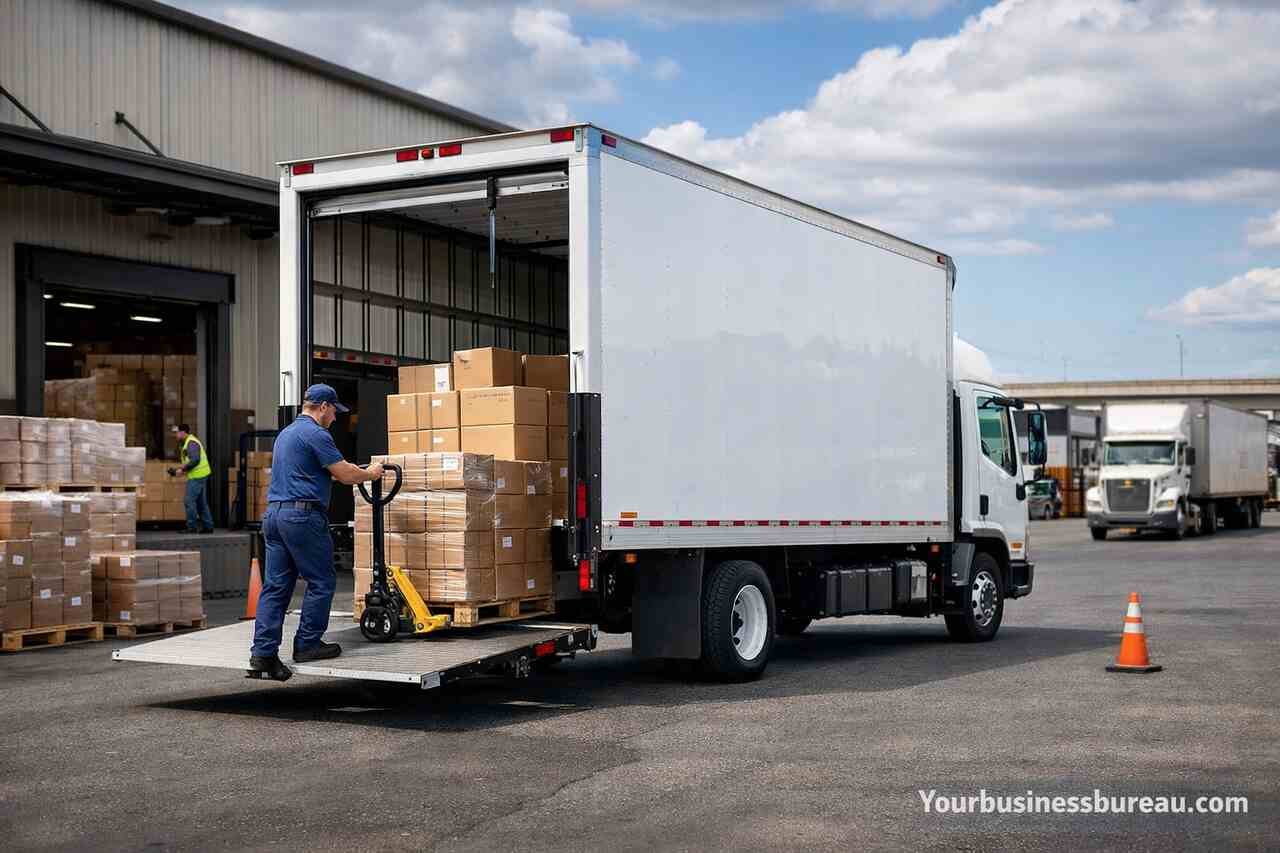
A box truck business operates by transporting goods using medium-sized enclosed trucks designed for local or regional deliveries. These vehicles protect cargo from weather and damage while allowing efficient loading and unloading. Business owners either drive themselves or hire drivers to complete delivery contracts for companies, retailers, or individuals.
Revenue generation depends on contracts, per-mile charges, or flat delivery fees. Many operators work with logistics brokers, while others secure direct agreements with businesses that require regular transportation. Profitability increases when routes are optimized, fuel costs are controlled, and consistent clients are secured.
From my experience, starting feels overwhelming at first, but once you complete your first few deliveries, confidence grows quickly. You begin to understand pricing, routes, and client expectations naturally through real-world exposure.
Types of Box Truck Services
Local delivery focuses on short-distance shipments within cities and nearby areas. Moving services handle furniture, appliances, and office equipment relocation. Retail distribution supports inventory restocking for stores and warehouses. Specialized delivery includes medical supplies or fragile goods that require careful handling.
How Box Truck Operations Function Daily
Daily workflow begins with route planning and vehicle inspection. Loading follows efficient organization to avoid delays during unloading. Delivery execution requires punctuality and communication with clients. End-of-day tasks include fuel tracking, maintenance checks, and reviewing completed jobs.
Why Should You Start a Box Truck Business Today?
A box truck business offers strong market demand driven by e-commerce growth and local logistics needs. Businesses increasingly rely on independent operators for flexible delivery solutions, creating continuous opportunities for new entrants.
Startup costs remain lower than large trucking businesses because box trucks do not always require commercial driver licenses depending on size. This lowers the barrier to entry and allows faster business setup.
From what I have seen, people who take action early often gain an advantage by securing local clients before competition increases. Waiting too long can mean entering a more crowded market with tighter margins.
Market Demand and Growth Potential
Online shopping increases last-mile delivery needs, while small businesses prefer outsourcing transportation. Both factors contribute to long-term demand and stability.
Advantages Over Other Transport Businesses
Lower fuel consumption reduces operational costs. Easier maneuverability allows access to urban areas. Simpler licensing requirements make entry faster and less complicated.
How Much Does It Cost to Start a Box Truck Business?

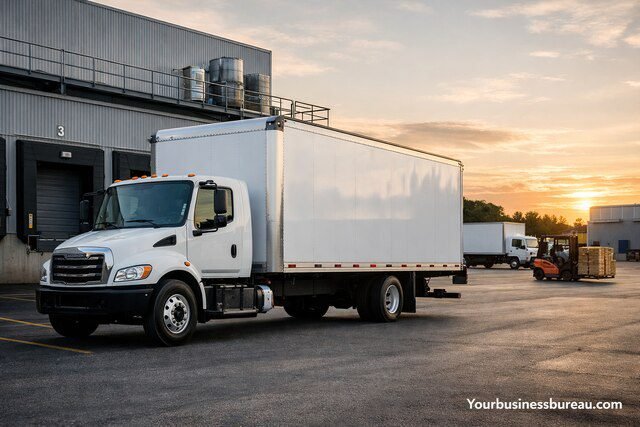
Starting a box truck business involves vehicle purchase or leasing, insurance, registration, permits, and initial operating expenses. Costs vary depending on whether you buy new or used equipment and how large you plan to scale initially.
A used box truck can cost significantly less, while a new truck offers reliability but requires higher upfront investment. Insurance costs depend on location, driving history, and coverage type.
In my own observation, many beginners overspend at the start. Starting lean and upgrading later often leads to better financial stability and less stress.
Initial Investment Breakdown
| Expense Category | Estimated Cost Range | Description |
| Box Truck Purchase | $10,000 – $60,000 | Used or new truck depending on condition |
| Insurance | $3,000 – $12,000 yearly | Coverage for vehicle, cargo, and liability |
| Registration & Permits | $500 – $2,000 | Legal documentation and licensing |
| Fuel | $500 – $2,000 monthly | Depends on mileage and fuel prices |
| Maintenance | $1,000 – $5,000 yearly | Repairs and servicing |
Cost-saving Strategies
Leasing reduces upfront investment and preserves cash flow. Buying a well-maintained used truck lowers initial costs. Negotiating insurance policies and avoiding unnecessary upgrades helps maintain financial stability during early stages.
How Do You Find Clients for a Box Truck Business?
Client acquisition plays a crucial role in sustaining revenue. Many operators begin by working with freight brokers, online load boards, or delivery platforms. Direct outreach to local businesses can also secure long-term contracts.
Building relationships increases repeat work and reduces reliance on third-party platforms. Strong communication and reliability create trust with clients.
From my experience, the first client always feels the hardest to get, but once you deliver excellent service, referrals start coming naturally.
Online Platforms and Load Boards
Load boards provide access to available delivery jobs posted by brokers and companies. These platforms help beginners find quick opportunities and build experience.
Direct Marketing and Networking
Visiting local businesses, sending proposals, and connecting with store owners help secure long-term contracts. Building trust leads to recurring work and steady income.
What Licenses and Legal Requirements Are Needed?
Legal compliance ensures smooth operation and avoids penalties. Requirements include business registration, insurance coverage, and permits depending on location and services offered.
Certain box trucks do not require a commercial driver license, but regulations vary based on vehicle weight and local laws. Proper documentation builds credibility with clients and partners.
I always suggest double-checking local regulations before starting because missing one requirement can delay operations and cause unnecessary expenses.
Business Registration and Permits
Registering a business name, obtaining tax identification, and securing operational permits establish a legal foundation for operations.
Insurance and Safety Compliance
Liability insurance protects against accidents. Cargo insurance covers transported goods. Vehicle insurance ensures compliance and financial protection.
How Can You Scale a Box Truck Business Successfully?

Scaling involves increasing revenue by expanding operations, adding more trucks, or hiring drivers. Efficient systems and consistent demand are necessary before growth.
Automation tools, route optimization, and financial tracking improve operational efficiency. Expansion should happen gradually to maintain service quality.
From what I have learned, scaling too fast without stable contracts often leads to financial strain. Controlled growth ensures long-term success.
Expanding Fleet and Hiring Drivers
Adding trucks increases delivery capacity. Hiring drivers allows handling multiple contracts simultaneously and growing revenue streams.
Improving Operational Efficiency
Using software for scheduling and tracking improves productivity. Monitoring expenses and optimizing routes reduces costs and increases profit margins.
What Are the Challenges and How Can You Overcome Them?
A box truck business faces challenges such as fuel costs, competition, vehicle maintenance, and inconsistent workload. Addressing these issues requires planning and adaptability.
Fuel expenses can reduce profit margins, while unexpected repairs can disrupt operations. Competition requires differentiation through reliability and service quality.
I have seen many people quit early because of initial struggles, but those who stay consistent and adapt strategies eventually succeed.
Managing Operational Risks
Regular vehicle maintenance reduces breakdown risks. Keeping an emergency fund ensures financial stability during unexpected situations.
Staying Competitive in the Market
Providing excellent service builds strong client relationships. Maintaining punctuality and professionalism helps stand out in a competitive market.
Common Challenges and Solutions
| Challenge | Impact on Business | Practical Solution |
| High fuel costs | Reduced profit margins | Optimize routes and monitor fuel usage |
| Inconsistent workload | Unstable income | Build long-term client contracts |
| Vehicle breakdowns | Delivery delays | Perform regular maintenance |
| Market competition | Reduced opportunities | Focus on service quality and reliability |
Conclusion
A box truck business offers a practical path toward financial independence with manageable startup requirements and strong market demand. Success depends on understanding operations, controlling costs, securing clients, and scaling strategically. Consistency, reliability, and adaptability play key roles in long-term growth. From my perspective, taking action, learning through experience, and staying committed create the foundation for building a profitable and sustainable business in this field.
If you want to explore how we help businesses grow from the ground up, you can visit yourbusinessbureau.com to see what we offer.
FAQ’s
Profitability depends on contracts, expenses, and efficiency. Many operators achieve stable income once consistent clients are secured.
License requirements depend on vehicle size and local regulations. Many box trucks do not require a commercial driver license.
Start with load boards, delivery platforms, or direct outreach to local businesses for opportunities.
Many owners start as owner-operators and expand later by hiring drivers.
Maintaining consistent work and managing costs remain the biggest challenges for beginners.


