








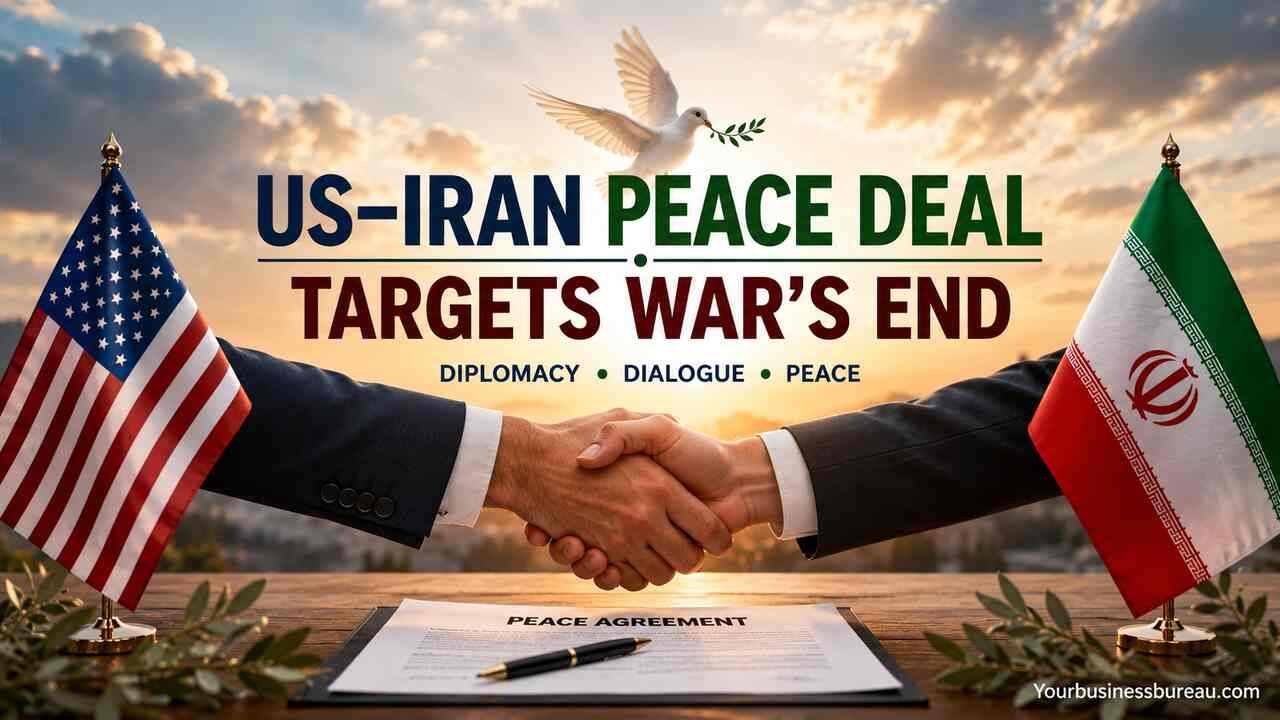
What Agreement Did the US and Iranian Presidents Sign?
A newly announced peace agreement between the presidents of the United States and Iran aims to establish a diplomatic framework for ending ongoing military hostilities and reducing regional instability. The agreement focuses on conflict de-escalation, diplomatic engagement, security guarantees, and mechanisms designed to prevent further armed confrontation.
Diplomatic Commitments
Diplomatic commitments form the foundation of the agreement. Both governments pledge to maintain direct communication channels, conduct regular diplomatic consultations, and resolve disputes through negotiations rather than military action. Continuous diplomatic engagement can reduce misunderstandings that often contribute to conflict escalation.
Conflict De-escalation Measures
Conflict de-escalation measures include steps intended to lower military tensions. Military commanders and diplomatic representatives may coordinate through designated communication systems to prevent accidental confrontations. Reduced military activity near sensitive areas can create conditions favorable for long-term stability.
Security Assurances
Security assurances address concerns related to national sovereignty, regional threats, and strategic interests. Mutual recognition of security concerns can encourage confidence-building measures between both countries. Confidence-building efforts often serve as important components of broader peace processes.
Monitoring and Verification
Monitoring and verification mechanisms help ensure compliance with agreed commitments. Independent observers, international organizations, or jointly established commissions may oversee implementation. Verification structures increase transparency and strengthen trust between participating governments.
Why Is the Agreement Significant for Regional Stability?
Regional stability remains a central objective of the agreement. Reduced tensions between the United States and Iran can influence political, economic, and security conditions across the Middle East.
Impact on Neighboring Countries
Neighboring countries often experience direct consequences from geopolitical disputes involving major regional actors. A reduction in hostilities can decrease security risks, encourage diplomatic cooperation, and improve conditions for regional development initiatives.
Energy Market Implications
Energy markets closely monitor relations between Washington and Tehran because both countries influence global energy dynamics. Greater stability can reduce uncertainty surrounding oil transportation routes, supply chains, and international energy prices.
International Diplomatic Response
International organizations and foreign governments generally support agreements that prioritize dialogue over conflict. Diplomatic support from allies, partners, and multilateral institutions can strengthen implementation efforts and encourage broader regional cooperation.
Humanitarian Benefits
Humanitarian conditions often improve when military tensions decrease. Reduced conflict can support civilian safety, facilitate aid delivery, and allow governments to allocate greater resources toward economic development, healthcare, and infrastructure.
How Could the Agreement Affect US–Iran Relations?
US–Iran relations have experienced decades of political disagreements, sanctions, security disputes, and diplomatic challenges. A peace-focused agreement could represent an important step toward rebuilding communication and reducing hostility.
Political Engagement
Political engagement creates opportunities for broader discussions on security, trade, and regional affairs. Regular diplomatic meetings can help both governments address disagreements through structured dialogue rather than confrontation.
Economic Opportunities
Economic cooperation may emerge if diplomatic relations improve. Expanded trade discussions, investment opportunities, and financial cooperation could provide mutual economic benefits while supporting broader regional growth.
Strategic Cooperation
Strategic cooperation may include discussions on maritime security, counterterrorism initiatives, and regional conflict management. Shared interests in stability can create areas for practical collaboration despite ongoing political differences.
Long-Term Relationship Building
Long-term relationship building requires sustained diplomatic commitment. Successful implementation of agreements often depends on transparency, accountability, and consistent communication between participating governments.
What Challenges Could Influence Implementation?
Implementation remains one of the most important factors in determining whether a peace agreement achieves lasting results.
Domestic Political Opposition
Political leaders often face domestic criticism regarding major diplomatic agreements. Public opinion, legislative debates, and political competition can influence the pace and effectiveness of implementation.
Trust Deficit
Trust remains a significant challenge in relationships shaped by decades of tension. Verification mechanisms, diplomatic transparency, and demonstrated compliance can help reduce skepticism over time.
Regional Security Concerns
Regional conflicts and security disputes may affect the agreement’s progress. External events, proxy conflicts, or unexpected military incidents could complicate implementation efforts.
Sustained Diplomatic Commitment
Sustained diplomatic commitment determines whether initial progress evolves into long-term peace. Continuous dialogue, regular reviews, and cooperative problem-solving strengthen the likelihood of durable outcomes.
Conclusion
A peace agreement between the United States and Iran, if formally concluded and successfully implemented, could reshape regional diplomacy, reduce military tensions, and create opportunities for broader political and economic cooperation. Long-term success would depend on compliance, trust-building measures, diplomatic engagement, and support from regional and international stakeholders.


