








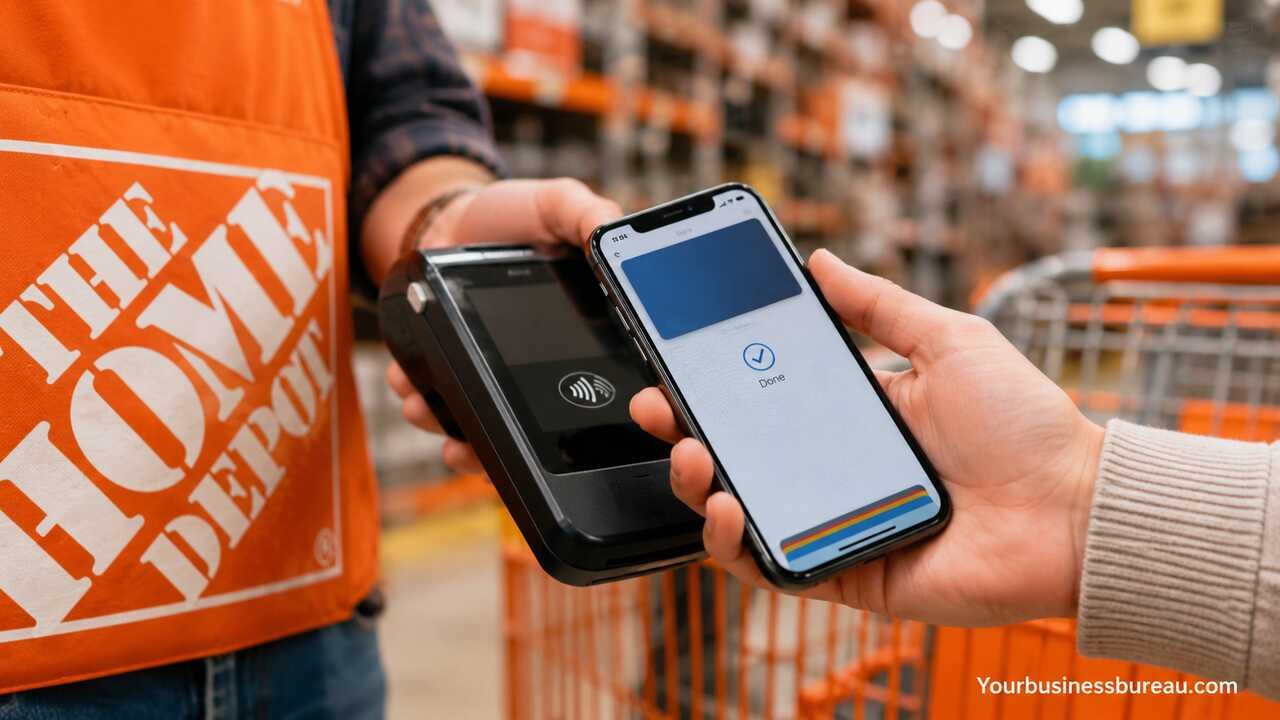
Shoppers increasingly expect fast and secure contactless payments when buying tools, appliances, lumber, and home improvement supplies. Many customers now rely on Apple Pay through their iPhone, Apple Watch, or Apple Wallet instead of carrying physical credit cards. Because of that shift, one of the most common checkout questions involves whether Home Depot accepts Apple Pay for purchases in stores, online orders, self-checkout stations, and curbside pickup.
The short answer is that Home Depot has been rolling out contactless payment support, including Apple Pay, at many locations, but availability can still vary depending on the store and checkout terminal. Some locations fully support tap-to-pay purchases, while others may still rely on traditional card transactions or alternative payment methods. Understanding where Apple Pay works, how to use it, and what backup payment options are available can help customers avoid checkout delays and payment confusion.
This guide explains how Apple Pay works at Home Depot, how to use it in stores and online, what devices are supported, which payment alternatives are available, and how Home Depot compares with competitors like Lowe’s and Walmart.
Check Apple Pay Availability at Your Local Home Depot
The easiest way to determine whether Apple Pay works at a nearby Home Depot location is to look for contactless payment symbols at the register or self-checkout terminal. Many updated terminals now include Near Field Communication technology, commonly called NFC, which allows Apple Wallet transactions through tap-to-pay functionality.
Customers can also call their local store before visiting, especially when planning large purchases involving appliances, building materials, or contractor supplies. Payment technology upgrades have been introduced gradually across different regions, so support may differ between stores even within the same state.
Some shoppers report that Apple Pay works at self-checkout but not at assisted checkout lanes, while others experience the opposite. Store hardware, software updates, and payment processor configurations can all influence whether mobile wallet transactions are enabled.
| Payment Area | Apple Pay Support | Notes |
| Standard Checkout Lanes | Available at many locations | Depends on NFC-enabled terminals |
| Self-Checkout Stations | Frequently supported | Look for contactless symbol |
| Home Depot Website | Limited support depending on device/browser | Alternative payment methods widely available |
| Home Depot Mobile App | May support digital wallet features in some regions | Updates vary by platform |
| Pro Desk Purchases | Availability varies | Large orders may require card verification |
Set Up Apple Pay Before Visiting Home Depot
Customers should prepare Apple Pay in advance to avoid delays during checkout. Setting up Apple Pay requires an iPhone, Apple Watch, iPad, or Mac device connected to Apple Wallet. Users can add Visa, Mastercard, American Express, or Discover cards from participating banks.
The setup process begins by opening the Wallet app, selecting the plus sign, and scanning a debit or credit card. Banks may request identity verification through text message, banking app confirmation, or email authentication before the card becomes active.
Apple Pay also works with Apple Card, allowing eligible users to earn Daily Cash rewards on qualifying purchases. Security remains a major advantage because Apple Pay replaces the actual card number with tokenized transaction credentials during checkout.
Use Apple Pay at Home Depot Checkout Counters
Once Apple Pay is configured, customers can complete purchases at compatible checkout terminals by holding an iPhone or Apple Watch near the contactless reader. Face ID, Touch ID, or device passcode authentication confirms the payment.
Most registers display a contactless payment icon when NFC transactions are available. After scanning items, the cashier typically selects a card payment option, allowing the customer to tap the device against the terminal.
Payment authorization usually completes within seconds. A confirmation sound, vibration, or on-screen checkmark indicates that the transaction succeeded. If the payment does not process, customers may need to reposition the device, unlock the phone again, or use a physical card.
Complete Purchases Faster Through Self-Checkout
Self-checkout stations remain one of the most convenient ways to use Apple Pay at Home Depot. Many stores upgraded self-service terminals before updating all staffed checkout counters, making these kiosks popular for contactless payments.
Customers scan products individually, select the card payment option, and tap their device against the NFC reader. Self-checkout systems often reduce wait times during busy shopping periods, especially for smaller purchases involving tools, paint supplies, fasteners, electrical accessories, or plumbing components.
Large purchases may still require employee assistance. Certain building materials, contractor items, or high-value equipment purchases can trigger identity verification, age checks, or inventory confirmation before payment finalization.
Pay for Online Orders Using Supported Digital Methods

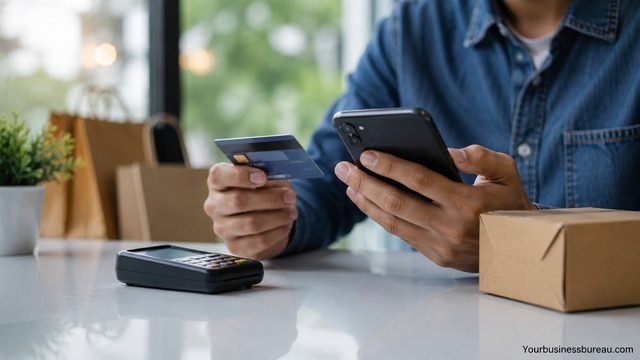
Home Depot online purchases do not always mirror in-store payment capabilities. Availability of Apple Pay online may depend on browser compatibility, device settings, and regional payment support.
Many customers instead use standard credit cards, PayPal, Home Depot gift cards, or financing accounts during online checkout. Safari browser users on Apple devices may occasionally see Apple Pay as a payment option when the merchant supports it.
Customers placing delivery orders, curbside pickup requests, or appliance installations should review accepted payment methods before finalizing checkout. Payment flexibility may differ between standard merchandise, special orders, and third-party marketplace products.
Compare Apple Pay With Other Home Depot Payment Options
Home Depot supports multiple payment methods beyond Apple Pay, giving shoppers several alternatives for in-store and online purchases.
Traditional credit cards remain the most universally accepted option. Debit cards, cash, Home Depot gift cards, PayPal, and store financing accounts also support most transactions. Business customers frequently use commercial credit accounts or project financing tools for larger renovation expenses.
The variety of payment methods helps Home Depot serve homeowners, contractors, professional builders, and DIY shoppers with different purchasing needs.
| Payment Method | In-Store Availability | Online Availability | Contactless Capability |
| Apple Pay | Expanding support | Limited in some cases | Yes |
| Credit Cards | Widely accepted | Widely accepted | Tap-to-pay on supported cards |
| Debit Cards | Widely accepted | Widely accepted | Tap-enabled cards may work |
| PayPal | Some locations and online | Yes | QR-based transactions possible |
| Home Depot Gift Cards | Yes | Yes | No |
| Cash | Yes | No | No |
| Home Depot Consumer Credit Card | Yes | Yes | Depends on card technology |
Troubleshoot Apple Pay Problems at Home Depot
Payment failures can occur even at stores equipped with contactless terminals. Customers should first confirm that Apple Pay is active and that the linked card remains valid.
A weak NFC connection may interrupt communication between the iPhone and terminal. Thick phone cases, low battery levels, outdated iOS software, or frozen Wallet applications can also prevent successful transactions.
If the terminal rejects Apple Pay, restarting the device or removing and re-adding the payment card may resolve the issue. Customers should also ask employees whether the terminal supports mobile wallet payments because some checkout lanes may still operate without NFC activation.
Protect Payment Information Through Apple Wallet Security
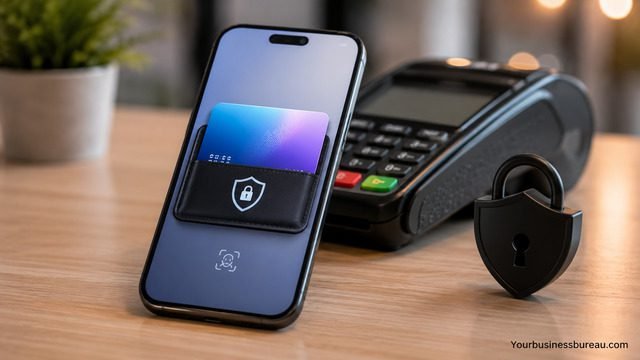
Security remains one of the biggest reasons shoppers prefer Apple Pay for home improvement purchases. Instead of transmitting the real card number, Apple Pay uses encrypted device account numbers and dynamic transaction codes.
This process reduces exposure to card skimming and unauthorized data collection. Biometric authentication through Face ID or Touch ID adds another layer of protection during checkout.
Large retailers including Home Depot handle substantial transaction volumes daily, making payment security increasingly important for both customers and merchants. Digital wallets reduce the need to hand physical cards to cashiers or insert cards into unfamiliar terminals.
Use Apple Watch for Contactless Purchases
Customers do not need an iPhone in hand to use Apple Pay at compatible Home Depot terminals. Apple Watch users can complete purchases directly from the wearable device.
The process involves double-clicking the side button and positioning the watch near the payment reader. The transaction confirms through vibration and an on-screen notification.
Apple Watch payments are particularly convenient for contractors, homeowners, and shoppers carrying bulky materials, carts, or tools through the store. Hands-free accessibility speeds up checkout while maintaining the same encrypted transaction protection available on iPhone devices.
Understand How Home Depot Compares With Other Retailers
Home improvement competitors have adopted contactless payments at different speeds. Lowe’s broadly supports Apple Pay and NFC transactions at many locations, while some large retailers continue emphasizing proprietary payment systems or traditional card methods.
Customer expectations around mobile wallets continue growing because smartphones increasingly replace physical wallets for everyday purchases. Retailers that support Apple Pay often benefit from faster checkout speeds and reduced friction during busy shopping hours.
Home Depot has historically relied heavily on traditional card infrastructure and PayPal integration, but expanding contactless support reflects broader changes across retail payment systems.
Prepare Backup Payment Methods Before Shopping
Even when a store supports Apple Pay, customers should still carry a backup payment option. Terminal outages, network interruptions, or temporary NFC failures can affect mobile wallet transactions.
A physical debit card, credit card, or Home Depot gift card ensures purchases can continue without disruption. This preparation becomes especially important for large contractor orders, equipment rentals, or time-sensitive renovation projects.
Some shoppers also maintain multiple cards within Apple Wallet so they can quickly switch payment sources if one issuer declines authorization.
Use Apple Pay for Smaller and Larger Home Improvement Purchases
Apple Pay supports both small and high-value purchases when the linked bank or card issuer approves the transaction. Customers can use mobile wallets for paint supplies, hardware accessories, lighting fixtures, power tools, kitchen appliances, and seasonal outdoor products.
However, larger purchases occasionally trigger fraud monitoring systems. Banks may request additional verification when transaction amounts exceed normal spending patterns.
Customers planning expensive renovation purchases should notify their bank beforehand if they expect unusually large transactions. This step can reduce the chance of declined payments at checkout.
Follow Future Payment Updates From Home Depot
Retail payment technology continues evolving quickly. Home Depot may expand Apple Pay support further as additional stores upgrade checkout systems and integrate newer payment hardware.
Customers can monitor payment announcements through the Home Depot mobile app, official customer support channels, and in-store signage. Apple Pay availability often increases gradually as software updates roll out across large retail networks.
The broader retail industry continues moving toward contactless transactions because customers value speed, convenience, and security. As mobile wallet adoption grows, Home Depot and other major chains will likely continue improving digital payment compatibility.
Recognize the Benefits of Apple Pay for Home Improvement Shopping
Apple Pay simplifies purchases by eliminating the need to carry physical wallets during shopping trips. Contractors, homeowners, and DIY enthusiasts can complete transactions quickly while managing project materials and tools.
The checkout process also reduces physical contact with payment terminals because customers simply tap a device instead of inserting cards or handling cash. Faster transactions can shorten checkout lines during busy weekends and seasonal sales.
Integration with Apple Wallet provides organized transaction history, spending tracking, and linked rewards programs through participating banks and Apple Card accounts.
Understand Regional Differences in Apple Pay Support
Not every Home Depot location upgrades payment systems simultaneously. Some stores in densely populated urban regions adopted contactless terminals earlier due to higher demand for mobile wallet transactions.
Smaller stores or locations with older checkout infrastructure may still operate with limited NFC capability. Customers traveling between states or shopping at unfamiliar locations may notice differences in checkout technology.
Regional banking partnerships and payment processor agreements can also affect mobile wallet compatibility. These differences explain why one shopper may successfully use Apple Pay at a nearby location while another encounters unsupported terminals elsewhere.
Ask Store Employees About Contactless Checkout Options
Employees often know which checkout lanes currently support Apple Pay and other contactless payment systems. Asking before unloading large carts can save time and reduce frustration.
Cashiers may direct shoppers toward self-checkout stations or recently upgraded terminals when standard registers lack NFC activation. Some stores also maintain dedicated lanes with newer hardware.
Professional contractors visiting frequently may benefit from building familiarity with their preferred store’s payment setup. Understanding which terminals support mobile wallets helps streamline repeat purchases.
Conclusion
Home Depot has increasingly expanded support for Apple Pay and other contactless payment systems, although availability still varies between locations and checkout terminals. Many stores now allow Apple Pay at self-checkout stations and selected registers, while online payment support may depend on browser compatibility and device settings.
Customers can improve their checkout experience by setting up Apple Wallet before shopping, identifying contactless-enabled terminals, and carrying backup payment methods for reliability. Apple Pay offers strong security, fast transaction speeds, and convenient mobile wallet integration for both small purchases and major renovation projects.
As retail payment systems continue modernizing, contactless checkout options will likely become more common across Home Depot locations. Shoppers who understand how Apple Pay works in stores and online can complete purchases more efficiently while enjoying the convenience of secure digital payments.
If you want to explore how we help businesses grow from the ground up, you can visit yourbusinessbureau.com to see what we offer.
FAQ’s
No. Many locations now support Apple Pay, but availability can still vary depending on the store and payment terminal.
Yes. Many self-checkout stations support NFC contactless payments, including Apple Pay.
Online Apple Pay support may vary based on device, browser compatibility, and regional payment configuration.
Yes. Apple Watch works anywhere the store’s checkout terminal supports Apple Pay contactless payments.
Try another checkout lane, restart the device, verify Wallet setup, or use a backup credit or debit card.
Many contactless-enabled terminals also support Google Pay and tap-enabled payment cards, depending on terminal configuration.


