





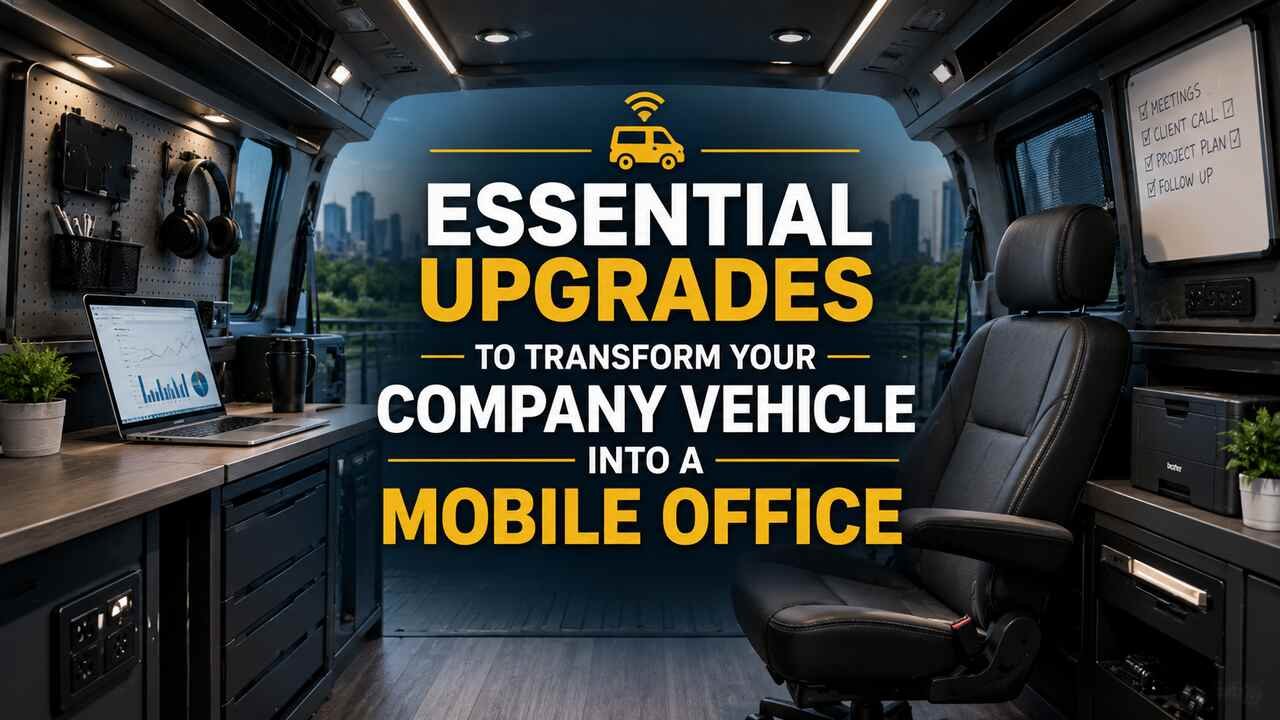
By early 2026, flexible and hybrid work models have firmly established themselves across Australia. With recent employment data indicating that over 40 percent of the national workforce now operates remotely, the traditional office is no longer a strict requirement. This shift has accelerated the mobile office trend among field sales professionals, real estate agents, and tradespeople. Rather than searching for a quiet cafe with unreliable public Wi-Fi, workers are outfitting their own vehicles with dedicated productivity tools to create reliable workspaces on the go. If you are reviewing strategies for optimizing business operations and remote work environments, upgrading your vehicle is a logical next step to maintain peak efficiency on the road.
Conquering the Heat and Glare
Working from the driver seat introduces unique environmental challenges, primarily related to extreme cabin heat and direct sunlight. Laptops and tablets are engineered with a safe operating range of 10 to 35 degrees Celsius. When exposed to an Australian summer, internal components quickly reach critical levels. This triggers thermal throttling that reduces processing speeds to prevent immediate hardware failure. Prolonged exposure to high heat can also permanently degrade lithium-ion batteries and cause irreversible damage to sensitive display screens.
Understanding how quickly a vehicle interior heats up is vital for protecting your electronic assets and your own wellbeing. According to community safety data from the Frankston City Council, the temperature inside a parked car can be 20 to 30 degrees hotter than the outside air, with the majority of this severe heat rise happening within just five minutes of parking. This rapid escalation makes proactive climate management an absolute necessity for anyone attempting to review documents, conduct video calls, or respond to emails from their vehicle.
To create a functional mobile workspace, you must regulate the internal climate and eliminate harsh glare. Installing custom fit car window shades is one of the most effective ways to block harmful UV rays and reduce interior heat. By keeping the cabin cooler and cutting down on direct sunlight, you protect sensitive electronic devices from overheating while drastically reducing eye strain caused by squinting at a bright screen.
Prioritising Mobile Ergonomics
Beyond temperature control, physical comfort is the absolute foundation of sustaining focus during long stints on the road. Poor vehicle ergonomics contribute heavily to musculoskeletal disorders, which remain a leading cause of workplace injury in Australia and represent billions of dollars in lost productivity each year. Attempting to balance a heavy laptop on your knees while twisting uncomfortably to access physical files on the passenger seat is a quick route to severe back and neck strain.
To combat poor posture and the aches associated with sitting in a confined space, travelling professionals should invest in purpose-built vehicle workstations. Consider the following ergonomic upgrades to improve your daily comfort:
- Steering wheel desks: A secure, clip-on tray provides a stable and correctly angled typing surface for your laptop or notebook.
- Adjustable lumbar support: Specially designed automotive cushions help maintain the natural curve of your spine during long administrative sessions.
- Elevated device mounts: Securely mounting your tablet or secondary smartphone near eye level reduces the need to constantly look down.
- Anti-fatigue seat wedges: These additions tilt the pelvis slightly forward, reducing pressure on the lower back and promoting better circulation.
Connectivity and Power on the Go
Transforming your vehicle into a functional workspace requires treating the cabin exactly like a traditional office. Reliable internet access and continuous power are non-negotiable elements. Relying solely on a basic smartphone hotspot can quickly drain your battery, limit your bandwidth, and drop connections during critical client calls. Dedicated mobile Wi-Fi routers equipped with external antennas offer much stronger, more stable connections, especially for regional travel outside major urban centres where 5G or 4G coverage might fluctuate.
Additionally, a high-quality power inverter is a mandatory upgrade for any serious mobile professional. Inverters plug directly into your vehicle power supply to provide standard alternating current outlets, ensuring your laptop, portable printer, and other essential devices remain fully charged throughout the workday.
Fortunately, outfitting your company car does not have to be a severe financial burden. The Australian Taxation Office allows business owners to claim tax deductions for motor vehicle accessories and modifications, provided the expense is directly related to earning assessable income. Under the standard logbook method, taxpayers who actively use their vehicles for business travel can often claim a proportional percentage of protective accessories, connectivity tools, and productivity upgrades. When investing in these upgrades, keeping detailed receipts and maintaining an accurate logbook for at least twelve weeks is crucial for compliance at tax time. Adapting to life on the road requires more than just a reliable vehicle with good fuel economy. By proactively managing cabin temperatures, prioritizing ergonomic support, and securing robust power solutions, you can effortlessly transform your company car into a highly productive mobile office.


