








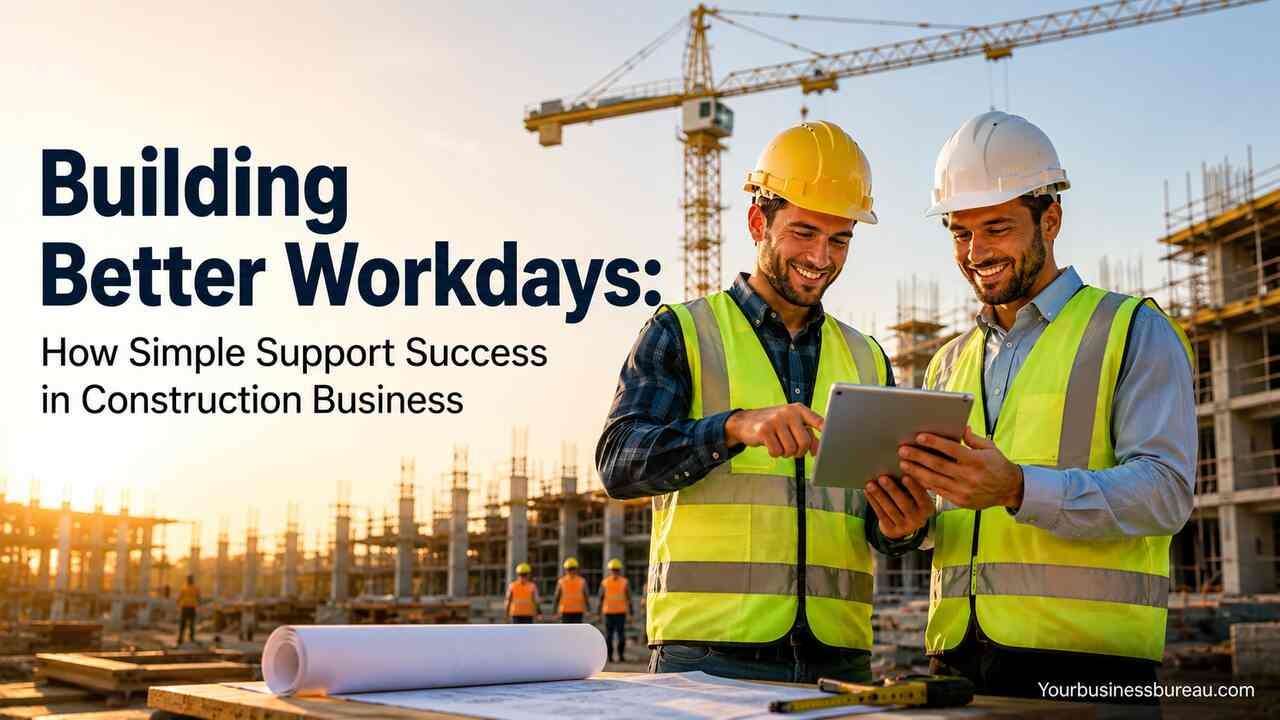
Construction crews face unique challenges every day, from coordinating equipment deliveries to ensuring worker safety across multiple job sites. The difference between a successful project and costly delays often comes down to how well teams communicate and support each other when problems arise.
Strengthening Job Site Planning Before Work Begins
Every productive construction day starts with thorough planning. Reviewing project timelines, assigning responsibilities, confirming material availability, and identifying potential risks before work begins helps teams avoid unnecessary delays. A well-prepared crew spends less time reacting to problems and more time completing quality work.
Pre-shift planning also improves coordination between subcontractors, equipment operators, and suppliers. When everyone understands the day’s objectives, work progresses with fewer interruptions and better accountability. Consistent planning creates predictable workflows that support on-time project completion.
Clear Communication Builds Strong Foundations
Effective communication starts before the first shovel hits the ground. Project managers who establish clear channels for information flow create an environment where workers feel comfortable reporting issues early, rather than letting small problems become major setbacks.
A 6:30 AM toolbox talk where the foreman reviews yesterday’s near-miss with the excavator sets everyone on alert for the day ahead. These meetings should cover weather conditions, material deliveries, safety concerns, and any changes to the daily plan. When everyone starts with the same information, teams can adapt quickly to unexpected challenges.
Modern technology plays a crucial role in keeping crews connected. SMS and push services help foremen instantly notify workers about schedule changes, safety alerts, or urgent material needs without relying on spotty cellular coverage that often plagues construction sites.
Documentation matters just as much as verbal communication. Digital photos, time-stamped notes, and progress reports create a clear record that protects both workers and project owners when questions arise later.
Equipment Support That Prevents Downtime
When equipment breaks down, everything grinds to a halt. The best construction crews know that developing relationships with reliable service providers and maintaining basic repair capabilities on-site prevents these costly delays.
Preventive maintenance schedules keep machinery running smoothly:
- Simple daily checks of fluid levels, tire pressure, and moving parts catch potential failures before they cause expensive breakdowns
- Workers who understand their equipment’s normal sounds and behaviors can spot developing problems early
- Regular maintenance logs help track patterns and predict when major services will be needed
Having backup plans ready saves valuable time when primary equipment fails. Whether that means keeping spare parts in stock, maintaining relationships with rental companies, or cross-training operators on multiple machines, preparation prevents panic when things go wrong.
Some projects require specialized equipment that demands extra attention. For instance, precision work involving a manual lathe machine from Summit requires operators with specific training and careful handling procedures to maintain accuracy and safety standards.
Tool organization and security systems include:
- Designated storage areas with clear labeling
- Check-out procedures that track tool location and condition
- Regular inventory counts to prevent theft and ensure availability
Improving Material Management to Reduce Waste
Material shortages and excess waste can significantly affect project budgets. Establishing organized inventory procedures allows crews to track deliveries, monitor usage, and reorder supplies before shortages delay progress. Accurate material management keeps projects moving while reducing unnecessary spending.
Proper storage also protects valuable building materials from weather damage, theft, and accidental misuse. Clearly labeled storage areas and regular inventory inspections improve efficiency while ensuring workers have quick access to the resources they need throughout the workday.
Supporting Worker Well-being and Morale
Construction work demands physical and mental toughness, but the smartest companies recognize that supporting worker well-being improves both safety and productivity. Simple gestures often make the biggest difference in maintaining positive morale.
Providing adequate break areas gives workers space to rest and recharge during long shifts. Picture a crew working through a 95-degree summer day – shaded areas with fans and cold water can prevent heat exhaustion and keep productivity high. Similarly, heated trailers during winter concrete pours show respect for the people doing the hard work.
Food and beverage considerations matter more than many managers realize. Keeping workers hydrated and fed maintains energy levels and prevents accidents caused by fatigue. Smart procurement managers understand that quality matters in everything they source – whether it’s securing the best equipment suppliers or sourcing premium materials like fresh specialty coffee for the site office to keep project managers alert during long planning sessions.
Recognition programs that acknowledge good work, safety milestones, and problem-solving efforts encourage positive behaviors. Workers who feel valued by their employers tend to take more pride in their work and look out for each other.
According to the Occupational Safety and Health Administration (OSHA) and industry research, construction workers face significantly higher rates of workplace stress, depression, and substance abuse compared to other industries. Mental health support becomes increasingly important as companies address these challenges through employee assistance programs, stress management resources, and creating cultures where seeking help is acceptable.
Financial Support and Resource Management
Money problems create stress that follows workers home and affects their performance on the job. Companies that help workers manage financial challenges often see improved retention and productivity.
Fair compensation and timely pay builds trust and loyalty. Workers who can count on receiving their earnings as promised focus on their jobs instead of worrying about bills.
Benefits packages that address real needs include:
- Health insurance that covers job-related injuries
- Retirement contributions that build long-term security
- Paid time off that allows for family emergencies
Training and certification support shows workers that their employers invest in their future careers. Companies that pay for skill development often recover those costs through improved productivity and reduced recruitment expenses.
Emergency assistance funds can help good workers through temporary financial crises without losing valuable team members. Whether covering unexpected medical bills or helping with car repairs needed to get to work, small investments in worker stability pay long-term dividends.
Encouraging Continuous Skills Development
Construction methods, equipment, and safety standards continue to evolve, making ongoing training an important investment. Providing employees with opportunities to develop new technical skills, earn certifications, and learn updated construction practices helps businesses maintain high-quality workmanship across every project.
Cross-training employees also increases workforce flexibility. Team members who can perform multiple responsibilities help minimize disruptions when staffing changes occur or unexpected challenges arise. A skilled workforce adapts faster while maintaining productivity and project quality.
Creating Systems That Scale
Successful support systems work consistently across projects and grow with the business. Companies that build repeatable processes avoid starting from scratch with each new job.
Standard operating procedures for common situations reduce confusion and ensure consistent responses. When everyone knows how to handle material deliveries, safety incidents, or weather delays, operations run more smoothly.
Technology integration streamlines information flow and reduces administrative burdens. Digital project management tools, mobile apps for time tracking, and cloud-based document sharing keep everyone connected without drowning in paperwork.
Leadership development ensures support systems continue working as companies grow. Training supervisors and project managers in both technical skills and people management creates a strong foundation for sustainable success.
Regular feedback collection from workers provides insights into what support measures actually help versus what sounds good in theory. Anonymous suggestion systems and exit interviews reveal opportunities for improvement.
Leveraging Data to Improve Future Projects
Every completed project provides valuable information that can improve future performance. Tracking labor productivity, equipment utilization, safety incidents, project timelines, and budget performance allows construction companies to identify trends and make informed business decisions.
Reviewing project data after completion helps leaders recognize successful practices while addressing recurring challenges. Over time, these insights lead to better estimating, stronger resource allocation, and more efficient operations that support long-term business growth.
Why Worker Support Matters
Construction companies that prioritize supporting their workers create competitive advantages that extend far beyond individual projects. Strong support systems attract better workers, reduce costly turnover, and build reputations that lead to more business opportunities.
The investment in proper communication tools, equipment maintenance, worker well-being, and financial stability pays returns through improved safety records, higher productivity, and stronger profit margins. Companies that view worker support as essential infrastructure, not optional expense, position themselves for long-term success in an increasingly competitive industry. Simple changes implemented consistently create lasting improvements in both worker satisfaction and business performance. The construction companies thriving in today’s market understand that building better workdays requires the same attention to detail and quality standards they bring to every project they complete.


