



Highlights
- A jewelry business begins with a clear decision about niche and audience, because clarity in direction reduces confusion and improves early results. A beginner who chooses a focused style such as minimalist rings immediately understands what to create and who to target.
- A strong business model connects creativity with revenue, where pricing, cost control, and branding work together. A new seller who calculates material and labor cost avoids losses and builds a sustainable profit structure from the beginning.
- Niche selection shapes the entire journey, because product design, marketing tone, and customer expectations depend on that choice. A creator who selects personalized jewelry starts designing name necklaces and attracts gift buyers.
- Product design and sourcing define quality and uniqueness, where reliable suppliers and creative ideas produce consistent results. A small business owner who invests in better materials notices fewer complaints and more repeat customers.
- Branding builds emotional connection, because customers prefer stories over simple products. A jewelry seller who shares the inspiration behind each piece gains trust and increases engagement on platforms like Instagram.
- Marketing transforms visibility into sales, where consistent content and platform selection drive traffic. A beginner who opens a store on Shopify and posts regularly starts seeing gradual growth in orders.
- Challenges such as competition and pricing pressure test patience, but adaptation leads to improvement. A seller who learns from slow sales adjusts designs and pricing to match customer expectations.
Starting a jewelry business requires a clear understanding of design, sourcing, branding, pricing, and customer psychology. A jewelry business connects creativity with commerce, where product quality, storytelling, and trust directly influence buying decisions. A beginner entering the jewelry industry must evaluate niche selection, production methods, legal structure, and sales channels before launching. Every step builds a foundation for long-term sustainability and profitability.
A jewelry business attracts entrepreneurs because of flexible entry points, from handmade crafts to luxury fine jewelry. Market demand continues to grow due to personalization trends, gifting culture, and online commerce expansion. Personal experience shows that early clarity in brand identity and audience targeting prevents wasted time and money. A strong plan transforms passion into a scalable venture.
What defines a successful jewelry business model?
A successful jewelry business model balances product design, pricing strategy, and customer trust. A business model determines how revenue is generated through direct sales, wholesale partnerships, or online platforms. Clear positioning helps a brand stand out in a crowded marketplace. A well-defined model reduces confusion and improves operational efficiency.
A jewelry brand gains strength when a clear niche aligns with customer demand. Handmade jewelry appeals to artisan-focused buyers, while fine jewelry attracts luxury consumers. Consistent quality and storytelling increase brand value. Strategic planning helps avoid overspending and misaligned inventory.
A practical approach involves testing small batches before scaling production. Early feedback shapes product refinement and pricing adjustments. Personal experience shows that starting small reduces risk and builds confidence in decision-making.
How do niche and target audience impact success?
Niche selection defines product style, price range, and marketing tone. A focused niche such as minimalist jewelry or bridal sets attracts a specific audience. Clear targeting improves conversion rates and reduces marketing costs.
Understanding customer preferences helps in product development and branding. Audience insights guide design choices, packaging, and messaging. Strong alignment creates repeat customers and brand loyalty.
How does pricing strategy influence growth?
Pricing reflects perceived value, production cost, and brand positioning. Competitive pricing attracts initial buyers, while premium pricing builds exclusivity. Balanced pricing ensures profitability without losing customers.
Cost calculation must include materials, labor, packaging, and marketing expenses. A sustainable margin allows reinvestment into business growth. Smart pricing decisions create long-term stability.
How to choose the right jewelry niche?
Choosing the right jewelry niche determines brand identity and market positioning. A niche defines product type, target audience, and pricing structure. Clear niche selection reduces competition and increases visibility.
A focused niche allows better storytelling and stronger branding. Customers prefer brands that specialize in specific styles. Consistency builds trust and recognition over time.
Personal experience shows that trying to target everyone leads to confusion and weak branding. A defined niche creates clarity and direction in every business decision.
What are popular jewelry niches?
Popular niches include handmade jewelry, luxury jewelry, personalized pieces, and fashion accessories. Each niche serves a different customer segment and price range.
Market demand varies based on trends and customer preferences. Research helps identify profitable niches with growth potential. Choosing wisely increases chances of success.
How to validate a niche before starting?
Market validation involves analyzing competitors, customer demand, and pricing trends. Social media platforms and marketplaces provide valuable insights.
Testing small product batches helps understand customer response. Feedback reveals strengths and areas for improvement before scaling.
What are the essential steps to start a jewelry business?
Starting a jewelry business requires structured planning and execution. Key steps include business registration, product development, branding, and marketing strategy. Each step builds a strong operational foundation.
Legal compliance ensures smooth operations and avoids future issues. Registering a business and securing necessary licenses establishes credibility. Professional setup attracts serious customers.
Personal experience highlights the importance of planning before spending. A clear roadmap prevents costly mistakes and improves efficiency.
How to register a jewelry business?
Business registration involves choosing a legal structure such as sole proprietorship or limited company. Registration provides legal protection and tax benefits.
Local regulations vary, so understanding requirements is essential. Proper documentation ensures smooth business operations.
What tools and equipment are required?
Jewelry tools include pliers, cutters, polishing machines, and design software. Equipment depends on the type of jewelry being produced.
Investing in quality tools improves product consistency and efficiency. Starting with essential tools helps control costs.
How to design and source jewelry products?

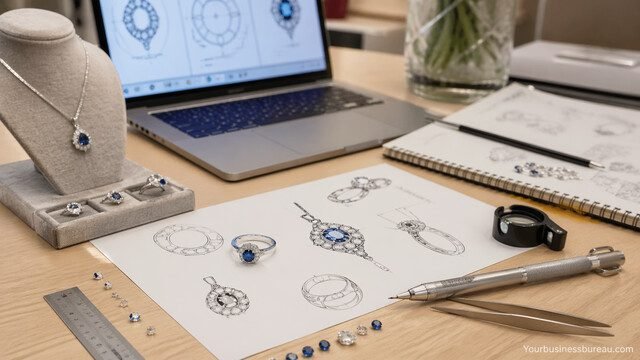
Product design defines brand identity and customer appeal. Unique designs attract attention and differentiate a brand from competitors. Creativity combined with market research leads to successful products.
Sourcing materials impacts quality and pricing. Reliable suppliers ensure consistency and timely production. Ethical sourcing enhances brand reputation.
Personal experience shows that quality materials reduce returns and increase customer satisfaction. Strong supplier relationships improve business stability.
How to create unique jewelry designs?
Design inspiration comes from trends, culture, and customer preferences. Sketching ideas and experimenting with materials leads to innovation.
Consistency in design style strengthens brand identity. Unique designs create emotional connection with customers.
How to find reliable suppliers?
Supplier research involves comparing quality, pricing, and reliability. Online directories and trade shows help identify trusted vendors.
Building long-term relationships ensures better pricing and consistent supply. Reliable sourcing supports business growth.
How to build a strong jewelry brand?
Branding defines how customers perceive a jewelry business. A strong brand combines visual identity, storytelling, and customer experience. Consistent branding builds trust and recognition.
A memorable brand name and logo create a lasting impression. Packaging and presentation enhance perceived value. Every detail contributes to brand identity.
Personal experience shows that branding influences buying decisions more than expected. Customers often choose brands they connect with emotionally.
What elements create a strong brand identity?
Brand identity includes logo, color palette, typography, and messaging. Consistency across platforms strengthens recognition.
Clear communication of brand values builds trust. Strong identity differentiates a business in a competitive market.
How does storytelling improve branding?
Storytelling connects products with emotions and meaning. Sharing inspiration and process builds authenticity.
Customers engage more with brands that have a story. Emotional connection increases loyalty and repeat purchases.
How to market and sell jewelry effectively?
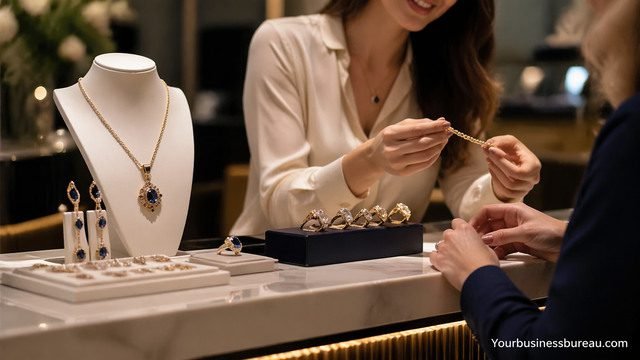
Marketing drives visibility and customer acquisition. Digital platforms provide cost-effective ways to reach target audiences. Social media and e-commerce play a major role in sales growth.
Sales channels include online stores, marketplaces, and physical shops. Diversified channels increase revenue opportunities. Strategic marketing improves conversion rates.
Personal experience shows that consistent marketing brings steady growth. Random efforts produce inconsistent results.
Which platforms are best for selling jewelry?
Platforms like Instagram and Shopify offer strong visibility and sales tools. Marketplaces provide access to existing audiences.
Choosing the right platform depends on target audience and product type. Multi-channel selling increases reach.
How to create effective marketing campaigns?
Marketing campaigns involve content creation, advertising, and engagement. High-quality images and videos attract attention.
Consistency in posting builds audience trust. Clear messaging improves conversion rates.
What challenges should you expect and how to overcome them?
Challenges in a jewelry business include competition, pricing pressure, and customer trust. Awareness of challenges helps in proactive planning. Solutions improve resilience and growth.
Managing inventory and cash flow requires careful planning. Efficient operations reduce waste and increase profitability. Adaptability ensures long-term success.
Personal experience shows that persistence plays a major role in overcoming challenges. Learning from mistakes improves future decisions.
How to handle competition in the jewelry market
Competition requires differentiation through design, quality, and branding. Unique value proposition attracts customers.
Continuous improvement keeps a brand relevant. Monitoring competitors helps identify opportunities.
How to maintain customer trust?
Customer trust depends on quality, transparency, and service. Clear communication builds credibility.
Positive reviews and testimonials enhance reputation. Trust leads to repeat business and referrals.
Conclusion
Starting a jewelry business requires a combination of creativity, planning, and consistency. A clear niche, strong branding, and effective marketing create a solid foundation for success. Every decision, from design to pricing, influences customer perception and business growth. Personal experience shows that patience and continuous learning make a significant difference in long-term success. A jewelry business offers both creative fulfillment and financial opportunity when approached strategically.
If you want to explore how we help businesses grow from the ground up, you can visit yourbusinessbureau.com to see what we offer.
FAQ’s
Investment depends on business type, materials, and scale. A small handmade business requires less capital compared to fine jewelry.
A home-based jewelry business is possible with basic tools and online selling platforms.
Profitability depends on marketing, pricing, and demand. Consistent effort usually brings results within months.
Growing demand and online platforms make jewelry business a profitable opportunity with the right strategy.
Professional training helps but is not mandatory. Self-learning and practice can also lead to success.


