





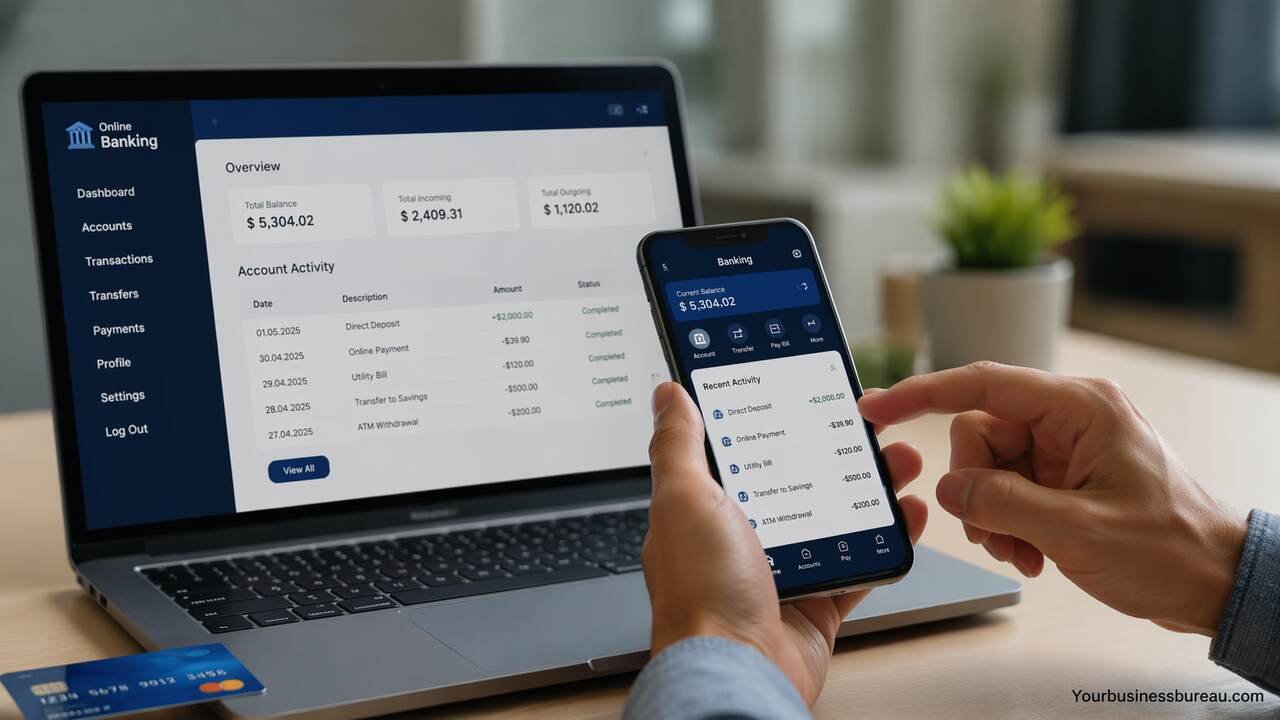
Highlights
- Account monitoring is essential for detecting fraud, errors, and suspicious activity early
- It protects against identity theft and unauthorized transactions
- Regular monitoring improves budgeting and spending awareness
- Helps avoid overdraft fees, duplicate charges, and forgotten subscriptions
- Real-time alerts act as an early warning system for unusual activity
- Frequent checks (daily or weekly) significantly reduce financial risks
- Strong security practices combined with monitoring enhance overall financial safety
- Beneficial for individuals, families, and business owners alike
- Encourages proactive financial management instead of reactive behavior
Money moves fast today. A bill gets auto-paid, a subscription renews, a card is charged, and a transfer clears before many people even notice. That convenience is helpful, but it also creates risk. Fraud, billing errors, forgotten charges, and unusual account activity can quietly damage your finances if they go unchecked.
That is why Account monitoring plays such an important role in financial safety. It is not just about checking your balance once in a while. It is a practical habit that helps individuals and businesses spot problems early, protect sensitive financial information, and make better money decisions.
What Is Account Monitoring?
Account monitoring is the regular review of financial accounts to track activity, verify transactions, and detect anything unusual. This can include:
- Checking bank account transactions
- Reviewing credit card charges
- Monitoring savings and investment account activity
- Watching for failed payments or overdrafts
- Setting alerts for withdrawals, transfers, or large purchases
At its core, account monitoring helps you stay aware of what is happening with your money in real time or near real time.
Why Is Account Monitoring Essential for Financial Safety?
Financial safety depends on visibility. If you do not know what is happening inside your accounts, you cannot respond to risks quickly. Monitoring gives you that visibility.
Here are the main reasons it matters.
Early Detection of Fraud
Fraud often starts with small, seemingly harmless transactions. A scammer may test whether a card works with a minor charge before making a larger purchase. If no one notices, the damage can grow.
Regular account checks help you identify:
- Unauthorized card purchases
- Unknown transfers
- ATM withdrawals you did not make
- Suspicious online payment activity
- Attempts to access your financial accounts
The earlier fraud is detected, the easier it is to freeze accounts, dispute charges, and limit losses.
Protection Against Identity Theft
Identity theft can affect more than your current balance. Someone with stolen personal information may open new accounts, apply for credit, or manipulate existing banking details. Monitoring helps you catch warning signs before the issue becomes much larger.
Red flags may include:
- Changes to contact information you did not request
- Login attempts from unfamiliar devices
- Password reset emails you did not trigger
- New transactions from locations you have not visited
Fast action can prevent long-term financial and credit damage.
Better Control Over Spending
Financial safety is not only about crime prevention. It also means avoiding preventable money problems caused by poor oversight. Monitoring your accounts helps you understand how money flows in and out, which improves budgeting and spending control.
When you review your accounts consistently, you can:
- Identify unnecessary subscriptions
- Catch duplicate payments
- See where overspending happens
- Adjust spending habits before debt grows
- Protect your emergency savings from gradual erosion
This habit creates awareness, and awareness leads to smarter financial behavior.
How Account Monitoring Helps Prevent Common Financial Problems

Many financial issues do not begin as emergencies. They begin as small oversights.
Missed Billing Errors
Banks, merchants, and service providers can make mistakes. A wrong amount, a duplicate charge, or an outdated auto-payment can all slip through unnoticed.
Without monitoring, these errors may continue for weeks or months. By then, recovering the money may be more difficult.
Overdrafts and Insufficient Funds
For people who manage multiple payments each month, timing matters. A large debit, automatic bill payment, or low balance can trigger overdraft fees or failed transactions. Monitoring helps avoid those extra costs by keeping you informed about available funds and upcoming withdrawals.
Forgotten Subscriptions and Renewals
Streaming services, software tools, gym memberships, and app subscriptions often renew automatically. One or two may seem minor, but together they can take a meaningful bite out of your monthly budget.
Account reviews make these recurring charges visible so you can decide what still deserves your money.
What Should You Monitor in a Financial Account?
To improve financial security, focus on more than just the current balance. A complete review should include several key elements.
Transaction History
Look for purchases, transfers, and withdrawals that you recognize. Even a small unfamiliar amount deserves attention.
Account Balance Trends
A balance tells you where your money stands now, but patterns tell you where it is going. Declining balances, irregular deposits, or sudden changes may indicate a problem.
Alerts and Notifications
Many financial institutions allow custom alerts for:
- Large transactions
- International purchases
- Low balances
- Password changes
- New payees or linked accounts
These alerts act as an early warning system.
Login and Security Activity
Review device access, login attempts, and account setting changes. These details can reveal unauthorized access before financial theft occurs.
How Often Should You Monitor Your Accounts?
For most people, checking primary bank and credit card accounts several times a week is a strong baseline. High-risk or high-activity accounts may need daily review.
Why Frequency Matters
The longer suspicious activity goes unnoticed, the harder it may be to resolve. Frequent monitoring shortens response time, which is critical for fraud prevention and error correction.
A practical schedule might look like this:
- Daily or every other day for checking accounts and credit cards
- Weekly for savings accounts
- Monthly for investment, loan, and subscription reviews
- Immediately after travel, online shopping, or unusual account activity
The right frequency depends on transaction volume, financial complexity, and your risk level.
Who Benefits Most From Account Monitoring?

Everyone benefits from account monitoring, but it is especially important for people with frequent digital transactions, business owners, retirees, and anyone managing multiple accounts.
Key Groups That Need It Most
Individuals Using Mobile Banking and Online Payments
Digital convenience increases exposure to cyber threats, phishing attempts, and fast-moving fraud.
Families Managing Shared Expenses
Joint accounts, recurring household bills, and multiple cards can make it easier for errors to go unnoticed.
Small Business Owners
Businesses face risks such as invoice fraud, unauthorized payments, payroll issues, and cash flow gaps. Monitoring supports both security and operational stability.
Older Adults
Retirees and seniors may be targeted by scams and deceptive payment requests, making regular reviews especially valuable.
Best Practices for Effective Account Monitoring
Good monitoring is not complicated, but it should be consistent and structured.
Set Up Real-Time Alerts
Use your bank or card provider’s alert system for large purchases, low balances, transfers, and login changes.
Review Statements Carefully
Do not just skim monthly statements. Compare charges, dates, and payment recipients to your actual activity.
Use Strong Security Measures
Monitoring works best when combined with strong account protection. Use:
- Unique passwords
- Two-factor authentication
- Secure Wi-Fi connections
- Updated banking apps and devices
Check Credit Reports Periodically
Your bank account is only one part of your financial identity. Credit report reviews can help uncover new accounts, suspicious inquiries, or identity theft.
Act Quickly on Anything Unusual
If you notice a suspicious transaction, contact the bank or card issuer immediately. Speed matters in limiting losses and preserving your rights during the dispute process.
The Link Between Monitoring and Long-Term Financial Health
People often think of financial safety as defense against fraud alone, but it is broader than that.
Strong financial habits reduce risk over time. Monitoring strengthens those habits by promoting awareness, discipline, and accountability.
Over the long term, account monitoring can help you:
- Maintain healthier cash flow
- Reduce avoidable fees
- Preserve credit health
- Improve budgeting accuracy
- Build confidence in your financial decisions
It turns reactive money management into proactive money management.
Conclusion
Financial safety does not happen by accident. It comes from paying attention to the systems that hold, move, and protect your money. In a world of instant payments, digital banking, recurring subscriptions, and growing fraud risks, regular account monitoring is no longer optional. It is essential.
By reviewing transactions, setting alerts, watching for suspicious behavior, and responding quickly to irregularities, you create a stronger defense against both external threats and internal financial mistakes. More importantly, you gain control. And when you have control over your accounts, you are in a much better position to protect your financial future.
If you want to explore how we help businesses grow from the ground up, you can visit yourbusinessbureau.com to see what we offer.


